Considering cosmetic changes can feel overwhelming, and deciding whether to proceed with a boob job replacement is a common crossroads for many people who’ve already had breast implants. This practical overview walks through why people seek breast implant replacement, what implant replacement surgery typically involves, options for replacing silicone implants, and how to weigh the question “should i get fake boobs” against long-term health and aesthetic goals.
Understanding breast augmentation replacement: why and when
Breast augmentation replacement is often driven by a handful of predictable reasons: aging implants, capsular contracture (scar tissue tightening), a desire to change size or shape, implant rupture, or concerns about implant type. Surgeons generally recommend monitoring implants regularly and discussing replacement around the 10–15 year mark for many devices, though individual timelines vary. If you notice changes in feel, shape, pain, or symmetry, a consultation can clarify whether breast implant replacement is appropriate.
Common types of revision and what implant replacement surgery entails
Implant replacement surgery can be simple or complex depending on whether the procedure is a straight swap, an upgrade, or a more involved correction. A straightforward exchange involves removing old implants and inserting new ones—sometimes in the same pocket, sometimes in a revised plane. In other cases, patients seek breast implant replacement combined with a lift (mastopexy) to address sagging, or opt for fat grafting to smooth transitions. Surgical planning includes incision placement, implant type (silicone vs saline), size, and whether the implant will be placed above or below the muscle.
Options when replacing silicone implants
When replacing silicone implants, options include replacing like-for-like, switching to a different profile or volume, or choosing to remove implants entirely and pursue fat transfer augmentation. Replacing silicone implants after rupture or when switching technology is common. If you’re considering alternatives, fat transfer can offer a more natural feel but may not achieve the same volume or predictability as implants. For a deeper look at fat transfer options, recovery, and cost, see this descriptive anchor text.
Risks, recovery, and realistic expectations
Like any surgery, implant replacement carries risks: infection, bleeding, scarring, changes in nipple sensation, and asymmetry. Capsular contracture can recur, and additional revisions may be necessary over a lifetime. Recovery typically involves a few days to a week of limited activity and several weeks before returning to full exercise; discomfort is most intense in the first week and gradually improves. Discuss pain control, activity restrictions, and signs of complications with your surgeon so you know what to expect.
Decision factors: should i get fake boobs?
Asking “should i get fake boobs” is really about aligning goals, lifestyle, and informed consent. Consider motivations (personal confidence vs. external pressure), surgical risks, long-term maintenance, and financial costs over time. If previous implants are functioning and you’re happy with your appearance, replacement may be elective. If you experience pain, rupture, or self-consciousness, replacement or removal can improve quality of life. A thorough consultation with a board-certified plastic surgeon will help you weigh aesthetic goals against medical considerations.
Choosing a surgeon and preparing for evaluation
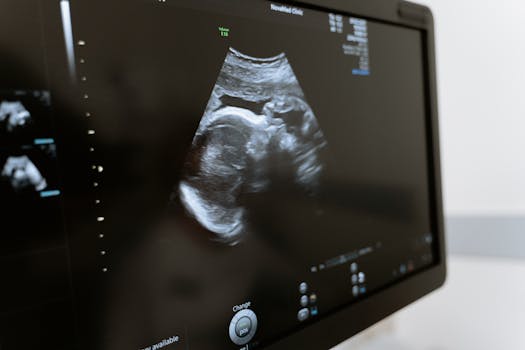
Look for a board-certified plastic surgeon with experience in revision procedures and breast implant replacement. Ask about their approach to pocket dissection, handling of old implant capsules (capsulectomy vs capsule preservation), and strategies for minimizing future complications. Bring prior records and implant details if available, and be prepared for an exam and imaging—ultrasound or MRI can assess silicone implant integrity. Discuss realistic outcome photos and set clear expectations for scarring and recovery.
Cost and insurance considerations
Costs vary widely depending on complexity, implant type, facility fees, and geographic location. Cosmetic revisions are usually out-of-pocket, but if replacement is due to rupture or medical complications, partial coverage may apply through insurance in some cases. Ask your surgeon’s office for a detailed estimate, and factor in downtime, travel, and potential future revisions when budgeting.
- Discuss goals and risks openly with a board-certified surgeon.
- Replacement timelines are individualized; many implants are monitored around 10–15 years.
- Options include like-for-like implants, size changes, implant removal, or fat transfer.
How long do implants typically last before replacement?
There’s no fixed expiration, but many manufacturers and surgeons suggest monitoring implants regularly and considering replacement or evaluation around 10–15 years, or sooner if you notice changes in shape, pain, or firmness.
Can I switch from silicone implants to fat transfer?
Yes, switching from silicone implants to fat transfer is possible but depends on your desired volume and available donor fat. Fat grafting can provide a natural contour with less risk of implant-related complications, but it may require multiple sessions to achieve comparable volume.
For more background on implant types and safety considerations, see this source: https://en.wikipedia.org/wiki/Breast_implant.