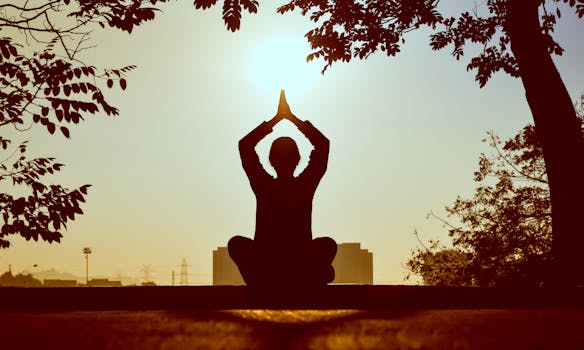
Meditation has transcended its ancient origins to become a mainstream practice, gaining recognition for its potential benefits. One might wonder, what does meditation do? It’s a question that encompasses mental and physical well-being, offering insight into a practice that supports various health aspects.
What Does Meditation Do?
Meditation encourages a state of deep relaxation and mental clarity. At its core, meditation is a practice where individuals use techniques such as mindfulness or focusing the mind on a particular thought, object, or activity to train attention and awareness. This practice is said to bring about numerous health advantages, all while fostering a sense of peace and balance.
Define Meditation and Its Purpose
Meditation can be defined as a technique for resting the mind and reaching a state of consciousness that is different from the normal waking state. The meditate meaning extends beyond mere relaxation; it is about deliberate attention to gain insight into one’s thoughts and emotions. But, what is the purpose of meditation? In essence, meditation aims to nurture a sense of inner peace and encourage personal and spiritual growth.
Why Is Meditation Important?
The importance of meditation lies in its potential to improve mental health and physical well-being. Regular practice can enhance focus, reduce stress levels, and promote emotional balance. As the practice has grown in popularity, scientific research supports the benefits of meditation, confirming it can positively impact stress, anxiety, and even physical conditions such as high blood pressure.
How Does Meditation Work?
The mechanics of meditation involve guiding one’s focus and eliminating external distractions. This process facilitates a reduction in stress and anxiety. By engaging in meditative practices, individuals can experience the advantages of meditation, manifesting in improved attention spans, better sleep, and a deeper connection to oneself.
Meditation for Mental Health
The benefits of mindfulness meditation in mental health are well-documented. It is known to be particularly effective in reducing symptoms of anxiety and depression. Mindfulness meditation teaches individuals to observe their thoughts and feelings without judgment, promoting self-awareness and personal growth. Those interested in combating anxiety might find further tips in our article on how to stop shaking from anxiety.
Perks and Pros of Meditation
There are numerous perks of meditation, such as enhanced self-awareness, focus, and emotional health. By practicing meditation regularly, individuals may experience a reduction in age-related memory loss and lower blood pressure—some of the pros of meditation. While meditation continues to be explored for its multi-faceted benefits, it serves as a complementary practice to a holistically healthy lifestyle.
Is Meditation Good for You?
With the range of health benefits it offers, it’s no wonder people often ask, is meditation good for you? For many, meditation provides a rejuvenating effect on both the mind and body. Its therapeutic attributes can contribute to lowering stress levels and boosting one’s well-being, making it a good practice for anyone seeking balance amidst a busy lifestyle.
The exploration of what does meditation do is ongoing, with expanding studies into its benefits and applications. As meditation practices continue gaining traction worldwide, their integration into daily routines portrays meditation as a tool for achieving physical relaxation and mental clarity.
- Meditation enhances mental clarity and emotional balance.
- It supports overall physical and mental health.
- Meditation techniques like mindfulness can improve self-awareness.
- Regular practice may help reduce anxiety and stress symptoms.
- The benefits of meditation are supported by scientific research.
Can Meditation Really Help with Stress?
Yes, meditation can effectively reduce stress by promoting relaxation and helping individuals find peace in challenging situations.
How Often Should One Meditate?
While there’s no set rule, many experts suggest practicing meditation for 10 to 20 minutes a day to experience significant benefits.
Can Anyone Practice Meditation?
Yes, meditation is accessible to anyone regardless of age or background. Various styles cater to different preferences and lifestyles.
What Are Some Basic Meditation Techniques?
Some basic techniques include focused breathing, body scanning, and mindful observation—all designed to anchor the mind and foster peace.
Where Can I Learn More About Meditation?
Resources like classes, apps, and online guides are widely available. For a comprehensive understanding, visit reputable sites such as Wikipedia’s Health section for more information.