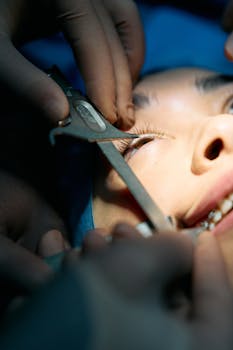
If you’re experiencing droopy eyelids that affect your vision or appearance, you might be considering ptosis of the eye surgery. This procedure is designed to correct the droopy eye shape by addressing the issues related to the eyelid muscles, giving you clearer vision and a more rejuvenated appearance. Knowing what to expect from the surgery and recovery process can help you make an informed decision.
Understanding Ptosis of the Eye Surgery
Ptosis is the medical term for droopy eyelids. It may affect one or both eyes (bilateral ptosis) and can be congenital or acquired over time. Eyelid ptosis occurs when the muscle responsible for lifting the eyelid, known as the levator muscle, weakens or elongates. This condition may require ptosis correction through surgical means, aimed at tightening this muscle.
The Ptosis Surgery Procedure
The ptosis surgery procedure typically involves making an incision on the eyelid, allowing the surgeon to access and adjust the levator muscle. By tightening this muscle, the eyelid is lifted to its natural position. This operation is often performed under local anesthesia with sedation, although general anesthesia may also be an option for some patients.
Who Should Consider Ptosis Repair Surgery?
Ptosis repair surgery might be right for individuals whose droopy eyelids significantly affect their vision or who desire an improved facial appearance. A consultation with a ptosis doctor, an ophthalmologist, or a plastic surgeon specializing in eyelid surgery, is essential to evaluate whether the surgery is warranted.
Risks and Considerations
As with any surgery, ptosis correction surgery carries certain risks, including infection, bleeding, and changes in eyelid shape or symmetry. It’s important to have a thorough discussion with your surgeon about the risks and benefits to determine if the procedure is worth it for you.
The Recovery Process
Recovery from eyelid ptosis correction surgery varies, but patients are generally advised to take a few days to a week off from work or regular activities. Swelling and bruising are common initially but typically subside within two weeks. Your surgeon will provide specific post-operative care instructions to ensure a smooth recovery.
Expected Outcomes and Success Rates
Most patients who undergo ptosis surgery experience improved eyelid function and a more youthful appearance. The success of the surgical correction of ptosis largely depends on the surgeon’s experience and the severity of the ptotic condition. Hence, choosing a qualified specialist is crucial.
Is Ptosis Surgery Worth It?
For many, the benefits of improved vision and enhanced facial features make ptosis surgery a worthwhile investment. Those considering the surgery should weigh the potential improvements against the risks and recovery time. Consulting with your doctor will help you make a decision tailored to your specific situation.
Related Cosmetic Procedures
If you’re interested in understanding how other cosmetic procedures might complement ptosis correction surgery, you might find our article on fat transfer and what to expect insightful.
Consulting a Specialist
Consultation with specialists who understand what ptosis means in medical terms is crucial for a successful outcome. Your surgeon might conduct various assessments to decide on the best approach tailored to your needs. Understanding the ptosis surgery name and steps involved can help reduce any anxiety related to the procedure.
To further explore treatments and the intricacies of eyelid surgeries, you can visit Wikipedia’s comprehensive guide on eye surgery.
- Ptosis of the eye surgery corrects droopy eyelids by addressing the levator muscle.
- The procedure is generally safe but carries risks typical of surgical interventions.
- Recovery may take one week, with post-operative care instructions to follow.
- Consultation with a specialized surgeon is crucial for tailored treatment.
- Enhancements from surgery can improve both vision and facial aesthetics.
Frequently Asked Questions
What does ptosis mean in medical terms?
In medical terms, ptosis refers to drooping or sagging, often used to describe eyelids that fall lower than their normal position.
How long is the recovery period after ptosis surgery?
Recovery typically takes about one to two weeks, during which time patients may experience swelling and bruising that gradually improves.
Can ptosis of the eye cause vision problems?
Yes, severe ptosis can obstruct vision, which is one of the primary reasons patients seek surgical correction.
Is ptosis surgery covered by insurance?
Insurance coverage depends on whether the surgery is deemed medically necessary, often requiring a visual field test to assess significant vision obstruction.
What are the potential risks of ptosis surgery?
Risks include infection, asymmetry, lid lag, dry eyes, and rare complications like vision changes. Always discuss these with your surgeon.