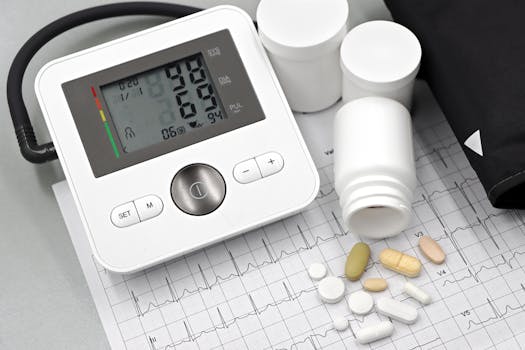
In recent years, Jardiance, a medication primarily known for managing blood sugar levels in type 2 diabetes, has gained attention for its potential heart health benefits. Intriguingly, researchers are now exploring its use in managing heart failure in patients who do not have diabetes. This article delves into the use of Jardiance for heart failure without diabetes, examining the heart benefits, associated risks, and the current state of evidence.
Understanding Jardiance for Heart Failure without Diabetes
Jardiance, also known by its generic name empagliflozin, belongs to a class of medications called SGLT2 inhibitors. These medications work by helping the kidneys eliminate glucose from the bloodstream through urine. While Jardiance is primarily prescribed for glycemic control in individuals with type 2 diabetes, its impact on cardiovascular health has become an exciting area of research.
Several clinical trials have investigated how Jardiance can help the heart. For individuals without diabetes who experience heart failure, the drug may offer therapeutic benefits by reducing the risk of cardiovascular death and hospitalization due to heart failure exacerbations. The exact mechanisms by which Jardiance achieves these benefits are still under examination but may involve improving heart and kidney function.
How Does Jardiance Help the Heart?
The potential heart-protective effects of Jardiance raise interesting questions about its mechanism of action. While the primary function is glucose elimination, Jardiance may support heart health through several key pathways:
- Improved Kidney Function: By exerting less strain on kidneys, Jardiance may help maintain optimal blood volume and pressure, reducing heart workload.
- Reduction of Fluid Load: Jardiance promotes diuresis (urine production), helping mitigate excess fluid that can tax the heart.
- Lower Inflammation: Some studies suggest that SGLT2 inhibitors may reduce inflammatory processes, which can complicate heart failure.
As scientists uncover more about these mechanisms, the role of Jardiance in non-diabetic heart failure management becomes increasingly promising.
Current Research and Evidence
The use of Jardiance for heart failure without diabetes is supported by a growing body of research. Key studies have consistently demonstrated a reduction in heart failure hospitalizations and cardiovascular mortality among patients treated with SGLT2 inhibitors. The EMPEROR-Reduced trial, for example, highlighted significant cardiovascular benefits in heart failure patients, regardless of their diabetes status. This source from NIH provides more detailed insights into ongoing research.
Nevertheless, it’s crucial to note that while results are encouraging, further studies are needed to elucidate the full spectrum of Jardiance’s cardiovascular effects. Ongoing clinical trials continue to expand our understanding and will shape future guidelines and practices for its use in heart failure.
Risks and Considerations
While the potential benefits are promising, using Jardiance for heart failure without diabetes is not without risks. Patients may experience side effects such as urinary tract infections, dehydration, and in rare instances, a condition known as ketoacidosis. As with any medication, individual responses vary, and it is vital for patients to discuss with their healthcare provider to ensure it is a suitable option.
For a comprehensive overview of Jardiance and its comparison to other medications, you may find it useful to explore this internal link discussing Jardiance vs. Ozempic.
Conclusion
The application of Jardiance for heart failure without diabetes is an exciting development in cardiovascular medicine. While its primary use remains in managing type 2 diabetes, research supports its expanding role in improving heart outcomes. As the scientific community continues to explore and understand its full benefits, Jardiance offers hope for those battling heart failure without concurrent diabetes.
- Jardiance is expanding beyond diabetes management into heart failure treatment.
- It may benefit heart failure patients through mechanisms like improved kidney function.
- Clinical trials have demonstrated positive outcomes in heart health.
- Potential side effects include urinary infections and dehydration.
- Further studies are crucial to confirm long-term benefits and safety.
What is Jardiance primarily used for?
Jardiance is primarily used to manage blood sugar levels in individuals with type 2 diabetes. It is an SGLT2 inhibitor that helps reduce glucose levels by enhancing its elimination through urine.
Can Jardiance be used for heart failure in patients without diabetes?
Yes, recent research indicates that Jardiance may reduce the risk of cardiovascular-related hospitalizations and mortality in heart failure patients, regardless of their diabetes status.
How does Jardiance impact kidney function?
Jardiance may improve kidney function by reducing glucose reabsorption, promoting diuresis, and thereby contributing to reduced fluid overload and better management of high blood pressure.
What are the potential side effects of Jardiance?
Common side effects include urinary tract infections and dehydration. In rare cases, it might lead to ketoacidosis, a serious metabolic condition.
How is ongoing research shaping the use of Jardiance in heart failure?
Ongoing trials continue to explore Jardiance’s efficacy in heart failure patients. Results have been promising, showing reduced cardiovascular events, and further studies will refine its use in clinical practice.