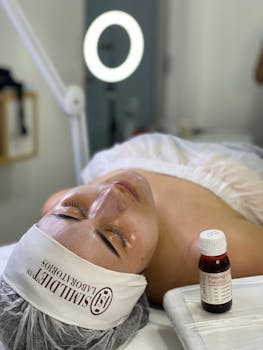
The glycolic peel treatment is a popular choice among those seeking radiant, smoother skin through exfoliation. This treatment involves applying a glycolic chemical solution to the face, which helps to peel away dead skin cells and reveal younger, fresher skin beneath. It’s renowned for enhancing skin texture and tone, making it a go-to option for many skincare enthusiasts. In the following sections, we’ll explore the pros and cons of glycolic peel facials, the results you can expect, and some potential side effects.
Benefits of Glycolic Peel Treatment
Glycolic peels are celebrated for their numerous skin benefits. One of the primary attractions of this treatment is its ability to reduce the appearance of fine lines and wrinkles. By stimulating collagen production, glycolic peels can lead to firmer skin over time. Additionally, these peels are excellent at combating uneven skin tone and hyperpigmentation, making them particularly beneficial for individuals with sun damage or age spots.
Moreover, glycolic peels can aid in reducing acne scars and minimizing pores, offering a smoother skin surface. For those dealing with persistent acne, a glycolic chemical peel can significantly reduce breakouts by clearing clogged pores and regulating oil production.
Potential Drawbacks and Side Effects
While glycolic peel treatments offer substantial skin benefits, they also come with potential drawbacks. One of the primary concerns involves the glycolic peel side effects, such as redness, mild irritation, and increased sensitivity to sunlight. It is crucial to protect your skin with adequate sunscreen following a peel to prevent UV damage.
More intense glycolic peels, particularly at higher concentrations, may lead to peeling and temporary discoloration. If you have sensitive skin, consult with a skincare professional before undergoing a peel, as your skin may react more acutely to the treatment.
What to Expect from a Glycolic Peel Treatment
A glycolic peel treatment typically begins with a thorough facial cleansing. Following this, the glycolic solution is applied to the skin. Depending on the concentration used, the peel may remain on the skin for a few minutes before being neutralized and removed.
During the procedure, you might experience a tingling sensation, which is normal. Post-treatment, your skin might feel slightly tight and appear red for a short period. The skin glycolic peel is effective, but it is not an overnight solution; multiple treatments are often necessary for optimal results.
Aftercare and Maintenance
Post-peel care is vital to achieving the best results and minimizing potential side effects. Hydration is key, so ensure that you moisturize adequately. Avoid using exfoliating products and retinoids for at least a week after your treatment to prevent irritation.
Sun protection is crucial after a glycolic peel. Apply a broad-spectrum sunscreen daily to safeguard your skin from UV rays. Incorporating a gentle, hydrating skincare routine can help prolong the positive effects of your glycolic peel facial.
For individuals interested in improving the overall health and appearance of their skin, glycolic peels can be part of a comprehensive skincare regimen. Regular use of these treatments can maintain the skin’s youthful glow and elasticity.
If you’re considering additional aesthetic treatments post-glycolic peel, you may find it helpful to consult resources like our guide on recovering after a cosmetic procedure.
Concluding Thoughts
The glycolic peel treatment is a versatile option for those seeking to rejuvenate the skin, enhance texture, and achieve a more luminous complexion. By understanding both the benefits and potential side effects, you can make informed decisions about incorporating this treatment into your skincare routine. As with any skincare regimen, consult with a qualified professional to tailor treatments to your specific skin type and needs.
For more in-depth information about skin healthcare topics, you may refer to reliable resources such as Wikipedia.
- Glycolic peels can improve skin texture and tone.
- They help reduce fine lines, acne scars, and hyperpigmentation.
- Sun protection is essential post-treatment to prevent damage.
- Potential side effects include redness and increased sun sensitivity.
- Consult a skincare professional for personalized advice.
Frequently Asked Questions
What is a glycolic peel?
A glycolic peel is a type of chemical peel that uses glycolic acid, an alpha hydroxy acid (AHA), to exfoliate the skin. It helps remove dead skin cells and promotes the regeneration of new skin, enhancing the skin’s appearance.
How often can I have a glycolic peel?
The frequency of glycolic peels can vary depending on the strength of the peel and skin type but generally ranges from once a week to once a month. It is best to follow the guidance of a skincare professional.
Are glycolic peels suitable for all skin types?
Glycolic peels are suitable for most skin types, but individuals with very sensitive skin should exercise caution and possibly seek a milder formulation or alternative treatments.
Can glycolic peels help with acne?
Yes, glycolic peels can help reduce acne by clearing clogged pores and decreasing oil production, which can lessen the occurrence of breakouts.
Is there any downtime after a glycolic peel?
Downtime after a glycolic peel is minimal. You may experience some redness and peeling, but these effects typically subside within a couple of days.