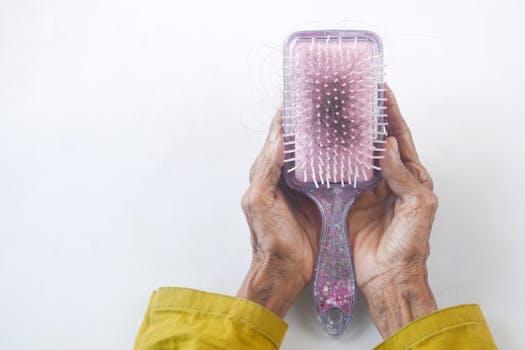
Hair loss can be a distressing concern for many people. A common question that arises is, does losartan cause hair loss? Losartan is a medication primarily used to treat high blood pressure and protect the kidneys in certain patients. Understanding its side effects, especially regarding hair, is important for anyone considering or currently taking this medication.
Does Losartan Cause Hair Loss?
There is limited evidence to suggest that losartan directly causes hair loss. While some medications can lead to hair thinning or shedding as a side effect, losartan is not commonly associated with this outcome. However, individual experiences can vary, and it’s essential to consult with a healthcare provider if you notice any unexpected changes in hair health after starting losartan.
How Losartan Works
Losartan belongs to a group of drugs called angiotensin II receptor blockers (ARBs). It works by relaxing blood vessels, making it easier for the heart to pump blood and reducing blood pressure. The primary focus of losartan is cardiovascular health, but like any medication, it comes with the potential for side effects.
Possible Side Effects of Losartan
While hair loss is not typically listed among the side effects of losartan, it is important to consider other side effects that may occur. These can include dizziness, fatigue, and changes in kidney function. Always discuss potential side effects with your healthcare provider to weigh the benefits and risks best.
Hair Loss: Other Contributing Factors
It’s crucial to consider other factors that may contribute to hair loss. These can include genetic predisposition, nutritional deficiencies, and stress levels. Understanding the broader picture of hair health may provide more clarity on any observed changes while on losartan.
For those looking for alternative ways to manage hair loss, options such as wigs and other solutions could be practical considerations.
Consulting a Healthcare Professional
If you are concerned about hair loss while taking losartan, it is advisable to speak with your healthcare provider. They may evaluate your situation to determine if there’s a potential link or explore other possible causes for hair loss. It is crucial to approach this concern comprehensively by considering various personal and external factors.
Conclusion: Does Losartan Cause Hair Loss?
Concluding, while the query “does losartan cause hair loss” arises often due to the personal impact of hair appearance, current knowledge suggests no direct correlation between losartan and hair loss. Consultation with a healthcare professional is the best course of action if you experience hair changes while on the medication. For further information on health, consult this comprehensive health overview.
- Losartan is primarily used for managing high blood pressure and kidney protection.
- There is no strong evidence linking losartan directly to hair loss.
- Consider other health factors that may contribute to hair loss.
- Always discuss side effects and concerns with your healthcare provider.
- Explore hair loss solutions if necessary.
FAQ
What is losartan prescribed for?
Losartan is primarily prescribed to lower high blood pressure and protect the kidneys in certain patient populations, such as those with type 2 diabetes.
Can stopping losartan improve hair growth?
If hair loss is believed to be medication-related, stopping the medication under medical advice might improve hair growth. Consult with a healthcare provider before making changes to your medication regimen.
Are there alternative medications to losartan that don’t affect hair?
There are various blood pressure medications available. If you have concerns about side effects, including hair loss, discuss alternatives with your healthcare provider.
What other factors affect hair health?
Hair health can be influenced by diet, genetics, stress, hormonal changes, and personal grooming habits. Maintaining a balanced lifestyle can support healthier hair.
Is hair loss from medication reversible?
In many cases, hair loss caused by medication can be reversible after discontinuing the medication. However, this depends on various factors, including the duration of use and individual response.