When it comes to weight management, many wonder about the relationship between protein intake and body weight. Specifically, does protein make you fat? Some believe that excessive protein can lead to weight gain, while others argue it’s essential for a balanced diet. In this article, we explore the role protein plays in your diet, whether it contributes to weight gain, and how you can consume it wisely.
Does Protein Make You Fat?
Protein is a vital macronutrient necessary for building and repairing tissues, and it plays a key role in overall health. However, can protein make you fat if consumed in excessive amounts? The answer depends on several factors, including the overall balance of your diet and physical activity levels.
Consuming more calories than you burn can result in weight gain, regardless of whether those calories come from protein, carbohydrates, or fats. Thus, eating an excessive amount of any macronutrient, including protein, can potentially lead to weight gain. But, it’s important to consider how protein can also increase satiety, helping you feel fuller for longer, which may actually aid in weight management for some individuals.
The Role of Protein in a Balanced Diet
Protein is crucial for muscle growth and maintenance, making it a staple for those looking to increase muscle mass or maintain a healthy body composition. For athletes and active individuals, adequate protein intake helps support recovery and muscle repair.
However, will protein make you fat if consumed in large quantities? It’s essential to maintain a balanced diet and consider your total caloric intake. Protein should be part of a diet rich in various nutrients, complemented by a range of fruits, vegetables, whole grains, and healthy fats.
Can Too Much Protein Make You Gain Weight?
The question of whether too much protein can make you gain weight deserves careful analysis. The primary goal is to understand that excess caloric intake is what leads to weight gain, not the macronutrient itself. If you’re consuming more protein than your body needs and your overall calories exceed what you burn, you may experience weight gain.
For those utilizing protein supplements or shakes, it’s important to factor those calories into your total daily intake. High-protein diets can sometimes inadvertently lead individuals to consume more calories than intended, so portion control is key.
For more insights on protein usage for specific health conditions, you may find it beneficial to explore options like protein powder for individuals with diabetes.
Protein for Weight Gain: A Different Perspective
While many are concerned about the potential to gain weight from protein, others may seek to increase weight for health or fitness reasons. Protein can be an effective part of a weight gain strategy when combined with resistance training. The goal is to ensure the weight gained is primarily muscle rather than fat.
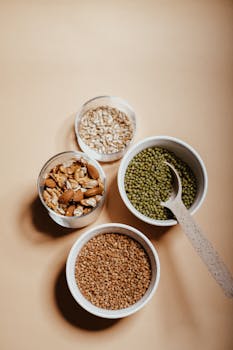
Incorporating protein-rich foods such as lean meats, fish, eggs, dairy, legumes, nuts, and seeds can support your weight management goals, whether aiming to gain or lose weight.
Balancing Protein Intake
Understanding your personal dietary needs is crucial. Consult with a healthcare professional or a registered dietitian to determine your individual protein requirements. They can help tailor a nutrition plan suited to your metabolism, physical activity level, and health objectives.
It’s also worth noting that the type of protein consumed plays a role in its effects on the body. Aiming for natural sources of protein rather than processed or fried protein foods can support a healthy diet and prevent unwanted weight gain.
Research Findings and Recommendations
Numerous studies indicate that high-protein diets can be beneficial for weight loss and maintaining a healthy weight. However, they must be strategically integrated into a balanced eating pattern to avoid possible adverse effects, such as elevated cholesterol levels or kidney strain in susceptible populations.
For further research on this topic, you can visit this comprehensive health resource for additional guidelines and information.
In conclusion, does protein make you fat? The answer is not straightforward and varies from person to person. The key is balance, proper portion sizes, and ensuring protein is part of a well-rounded diet.
- Protein is essential for tissue repair and muscle growth.
- Excess protein can lead to weight gain if caloric intake exceeds expenditure.
- Balancing dietary intake with exercise can aid in weight management.
- Consult with healthcare professionals for personalized dietary advice.
- Protein-rich foods can support both weight loss and weight gain goals.
FAQ Section
Is protein necessary in every meal?
While protein is important, it doesn’t need to be the focal point of every meal. Balancing protein with carbohydrates and fats helps maintain energy levels and supports overall nutrition.
Can you consume too much protein through supplements?
Yes, it’s possible to exceed your protein needs through supplements, which can lead to excessive caloric intake. It’s best to get most of your protein from whole food sources.
How much protein should an average adult consume daily?
The recommended dietary allowance (RDA) for protein is 0.8 grams per kilogram of body weight. However, active individuals or those with specific health goals may require more.
Does the type of protein source matter?
Yes, lean and plant-based protein sources are generally healthier options. They provide essential nutrients without excessive saturated fats found in some animal proteins.
Should I consult a doctor before increasing my protein intake?
Yes, especially if you have pre-existing health conditions or dietary restrictions. A healthcare provider can help tailor your protein intake to meet your specific needs safely.