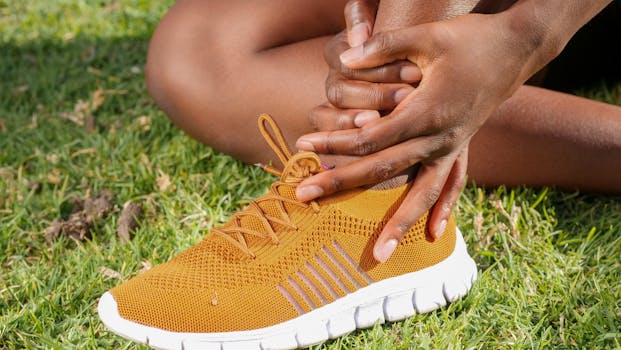
The term “kankle” might sound whimsical, but it refers to a very real and visible condition affecting the lower leg. For those wondering, “what is a kankle?” it’s a blend of the words “knee” and “ankle.” When someone has kankles, their calves appear to blend seamlessly into their ankles, often due to swelling or lack of definition. While generally harmless, kankles can be a source of discomfort or self-consciousness for some individuals. This article explores the causes, potential treatments, and prevention tips associated with kankles.
What is a Kankle?
In simplest terms, a kankle occurs when there is little differentiation between the calf and ankle. This can be due to excess fat or fluid retention in the lower leg, giving the limb a swollen or cylindrical appearance. Although commonly attributed to obesity, kankles can also result from genetic factors, medical conditions, or lifestyle habits. Understanding the underlying causes is crucial to addressing and possibly mitigating the condition.
Causes of Kankles
Several factors can contribute to the development of kankles. Here are a few common reasons:
- Genetic Predisposition: Just like eye color, the distribution of fat and muscle in the body is largely genetically determined. Some individuals naturally store more fat or retain more water in their lower legs.
- Weight Gain: Excess body weight can lead to fat deposition around the ankle area, contributing to the appearance of kankles.
- Water Retention: Conditions such as pregnancy, excessive salt intake, or certain medications can lead to fluid retention, making the ankles appear swollen.
- Medical Conditions: Certain illnesses, such as lymphedema, venous insufficiency, or kidney disease, may cause swelling in the lower legs.
- Lifestyle Factors: Sedentary behavior, prolonged standing, or sitting can lead to poor circulation and swelling in the lower extremities.
Treatments and Management
While kankles are rarely a medical emergency, managing them can improve comfort and confidence. Here are some strategies:
- Exercise: Regular physical activity can stimulate circulation and help reduce fat deposits in the lower legs.
- Diet and Hydration: A balanced diet low in sodium and sufficient water intake can help minimize water retention.
- Compression Garments: Wearing compression socks or stockings can help improve circulation and reduce swelling.
- Medical Interventions: In cases where kankles result from a medical condition, addressing the underlying issue with a healthcare provider is essential.
Prevention Tips
Preventing kankles involves healthy lifestyle habits and being mindful of one’s overall health. Here are some tips:
- Maintain a Healthy Weight: Keeping a healthy body weight can minimize excess fat in the lower body.
- Stay Active: Regular exercise helps with overall weight management and can enhance circulation.
- Moderate Salt Intake: Reducing salt consumption can prevent excessive water retention.
- Elevation: Elevating the legs can reduce fluid accumulation and improve blood flow.
- Hydration: Drinking adequate water helps maintain fluid balance in the body.
Related Concerns
Some individuals might seek cosmetic solutions, such as liposuction or other procedures. While these can be effective in certain cases, they should be discussed with a qualified healthcare provider. More information about cosmetic interventions and their effects can be explored in articles like How Long Do Cosmetic Results Last.
For more in-depth information about various health-related terminologies, check this Wikipedia article on health.
Conclusion
Understanding what is a kankle and its potential causes can empower individuals to seek solutions that improve their quality of life. Whether through lifestyle changes or medical advice, it’s possible to manage this condition effectively. Remember, it’s always best to consult with a healthcare provider for personalized guidance.
- Kankles are typically a cosmetic concern but can hint at underlying health issues.
- Genetics, weight, lifestyle, and medical conditions can all play a role in their development.
- Exercise, diet, and certain fashion choices can help reduce or manage kankles.
- Seeking medical advice is important if kankles are associated with discomfort or other symptoms.
- Prevention focuses on maintaining a healthy lifestyle and weight management.
FAQ
Are kankles a sign of obesity?
Kankles can be related to excess weight, but they are not a definitive sign of obesity. Genetics and water retention can also play roles.
Can lifestyle changes help in reducing kankles?
Yes, lifestyle changes such as regular exercise, a healthy diet, and staying hydrated can help in reducing the appearance of kankles.
When should I see a doctor about kankles?
Consult a healthcare provider if kankles are accompanied by pain, persistent swelling, or associated with a medical condition.
Are there surgical options for kankles?
Some cosmetic procedures like liposuction may help reduce kankles, but they should be carefully considered with a medical professional’s guidance.
Do compression socks really help with kankles?
Compression socks can assist in reducing swelling by improving circulation and are often recommended as part of managing kankles.