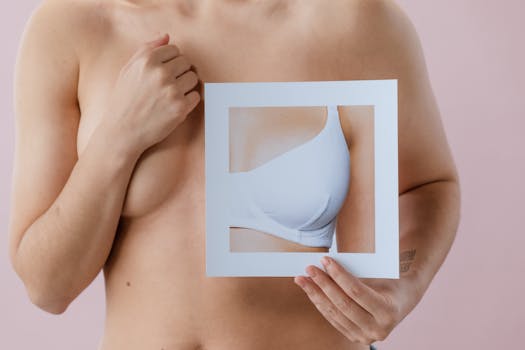
Understanding the fat transfer breast augmentation recovery time is essential for anyone considering this procedure. Recovery can often be one of the most significant factors influencing your decision. Knowing what to expect in terms of healing can help you prepare both mentally and physically for the journey ahead. This article aims to provide detailed insights into the recovery timeline, what influences it, and tips to make your healing process as smooth as possible.
What is the Average Fat Transfer Breast Augmentation Recovery Time?
The recovery time following a fat transfer breast augmentation can vary from person to person, but typically, patients can expect an initial recovery phase of about one to two weeks. During this time, swelling and bruising are most prominent. Complete recovery, however, can take several weeks to months as the body adjusts and the natural fat settles into its new location. Your overall health and adherence to postoperative care significantly affect your recovery time.
Initial Recovery Phase
The first few days post-surgery are crucial. Most patients experience significant swelling, bruising, and mild discomfort. Your plastic surgeon will likely recommend ample rest, limited physical activity, and specific care instructions to aid healing. Wearing a supportive bra throughout this initial period could also assist in maintaining shape and reducing swelling.
Factors Affecting Recovery Time
Several factors influence the length and ease of recovery from a fat transfer breast augmentation:
- Overall Health: Individuals in good health typically recover faster.
- Adherence to Care Instructions: Following your surgeon’s advice can minimize complications.
- Body’s Response: The body’s unique healing process plays a significant role in recovery time.
- Quantity of Fat Transferred: Larger volumes may require longer healing periods.
Tips for A Smooth Recovery
To support a comfortable and speedy recovery, consider the following tips:
Stay Hydrated and Nourished
Maintaining proper hydration and nutrition can promote healing. A diet rich in fruits, vegetables, lean proteins, and healthy fats gives your body essential nutrients to support recovery.
Follow Your Surgeon’s Guidelines
Your surgeon will provide specific postoperative instructions tailored to your procedure. It is crucial to follow these guidelines closely to minimize complications and promote smooth healing.
Incorporate Gentle Movement
While rest is important, incorporating gentle movement as guided by your healthcare provider can help reduce the risk of blood clots and improve circulation. Simple activities such as short walks around your home are often beneficial.
Recognizing Potential Complications
Though rare, being aware of potential complications during fat transfer breast augmentation recovery time is important. Signs of infection or adverse reactions include excessive redness, swelling, fever, or unusual discharge. Should you experience these symptoms, contact your healthcare provider promptly.
If you would like to learn more about the procedure, including its benefits and considerations, you can visit our detailed overview on fat transfer breast augmentation.
The Road to Complete Healing
As swelling decreases and the body gradually incorporates the transferred fat, a more permanent breast contour emerges. This process can take several months, during which the final results of the augmentation become more apparent. Regular follow-up visits with your surgeon are often recommended to ensure proper recovery and outcome satisfaction.
Concluding Thoughts
Patience is key to a successful fat transfer breast augmentation recovery time. Although the initial stages are crucial, understanding that complete healing is gradual will help set realistic expectations. Remember that everyone’s journey is unique, and consistent communication with your healthcare provider will aid significantly in your recovery process.
For further information on health and recovery processes, you might find this resource helpful: Health Wikipedia page.
- Initial recovery typically takes one to two weeks.
- Full results and healing can take several months.
- Adhering to surgeon advice is crucial.
- Proper nutrition and hydration support recovery.
- Contact healthcare provider for any signs of complications.
FAQs
How long should I wear support garments after the surgery?
Most surgeons recommend wearing supportive garments for several weeks post-surgery to help reduce swelling and support the new contour.
Is there a specific sleeping position recommended during recovery?
Yes, it’s usually advised to sleep on your back with your head elevated to minimize swelling and facilitate drainage.
When can I resume regular physical activities?
Light activities may begin after a few weeks, but more strenuous activities should be avoided for at least 4–6 weeks or as advised by your surgeon.
Can I shower immediately after the surgery?
Surgeons generally recommend waiting 48 hours post-surgery before showering, but follow-up with specific instructions from your healthcare provider is essential.
What should I do if I notice asymmetry in results?
It’s common for breasts to settle at different rates. If concerns persist beyond the initial healing period, consult your surgeon to discuss possible causes and solutions.