Table of Contents
- Discovering Cold Plunge Tubs for Wellness
- Basics of Cold Plunge Tubs
- Exploring Cold Plunge Tub Options
- Using Your Cold Plunge Tub
- Advanced Cold Plunge Strategies
- Frequently Asked Questions About Cold Plunges
- Choosing Your Ideal Cold Plunge Tub
Discovering Cold Plunge Tubs for Wellness
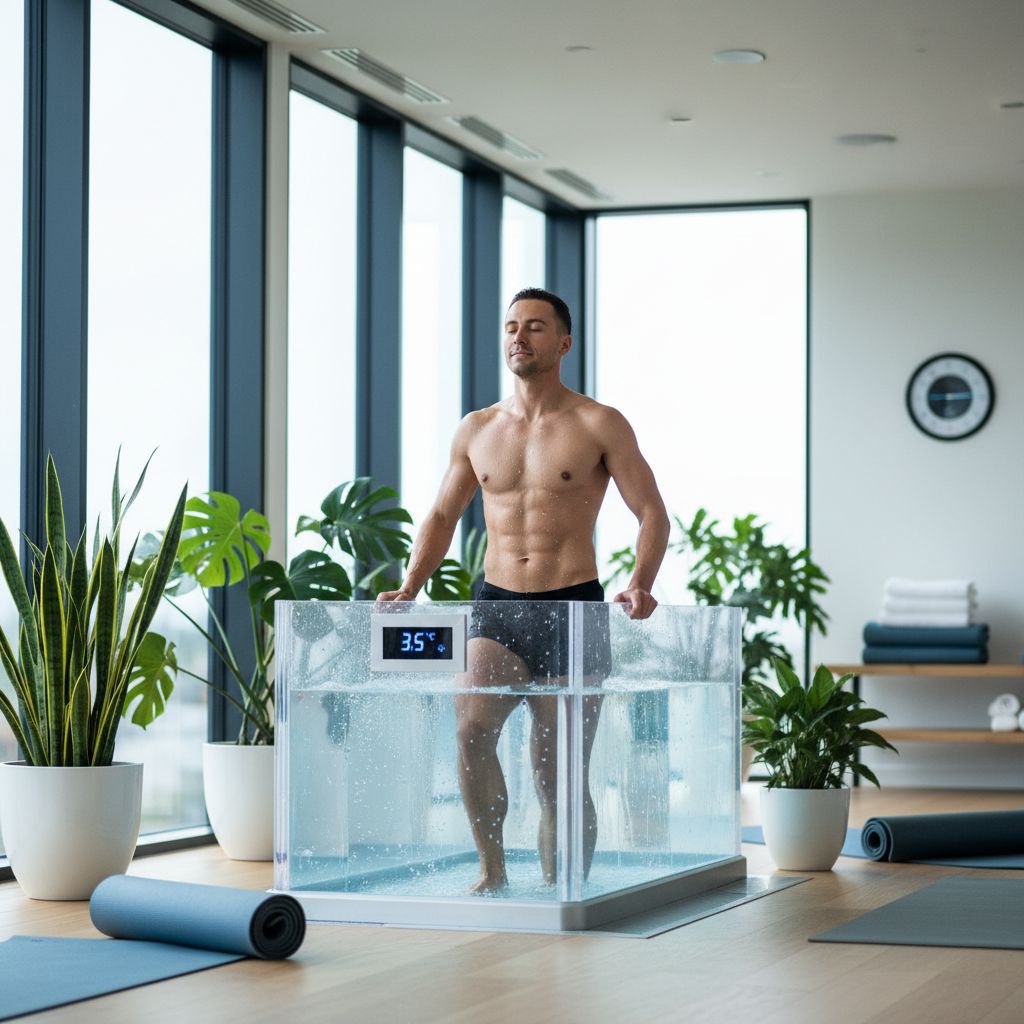
In today’s fast-paced world, wellness trends like the cold plunge tub are gaining traction among fitness enthusiasts and health-conscious folks. We see more people incorporating this invigorating practice into their routines for post-workout recovery, much like how a chilled recovery basin can refresh after a tough gym session. As your premier source for health and beauty information, we’re excited to empower and inspire individuals to lead healthier lives through tools like this.
A cold plunge tub is essentially a modern take on the traditional ice bath tub, designed for controlled immersion in icy water to promote recovery. Unlike makeshift ice baths, these tubs often feature built-in chillers for consistent temperatures between 50 and 59°F, ideal for cold immersion therapy. Key cold plunge benefits include reduced inflammation and faster muscle recovery, as noted in Harvard Health’s The Big Chill, which highlights how brief cold exposure can ease soreness for athletes.
These tubs cater to various budgets, from DIY setups using basic containers to high-end models with advanced features. Pricing starts at around $100 for simple options and climbs to $5,000 or more for premium units. Safety is crucial with any cold therapy device safety—start with short sessions of 10-30 seconds to avoid shock, and consult a doctor if you have heart or circulation issues, per FDA guidelines on water-circulating devices.
The following table outlines common types to help you evaluate based on your needs:
| Type | Price Range | Key Features |
|---|---|---|
| DIY | $100-500 | Basic tub, manual ice addition |
| Portable | $500-2000 | Chiller unit, easy setup |
| Premium | $2000+ | App control, filtration system |
Beginners often find portable models offer great value, balancing convenience and effectiveness without overwhelming costs. We’ll explore how cold plunge tubs can enhance your routine further, diving into mechanics, ideal usage, and model comparisons in the sections ahead. Remember, the content on WellnessHQ.net is for informational purposes only—consult a healthcare professional before starting any new wellness practice.
Basics of Cold Plunge Tubs
At WellnessHQ.net, we’re passionate about sharing tools that support your wellness journey, and a cold plunge tub stands out as a simple yet powerful option for home recovery. This therapeutic cold soak vessel involves immersing your body in chilled water to promote physical rejuvenation, often used by athletes and wellness enthusiasts alike. Unlike traditional setups, these tubs feature built-in cooling mechanisms for consistent temperatures, making them accessible for daily use without the hassle of manual ice additions.
Let’s break down the basics. A cold plunge tub works by circulating water through a chiller that lowers the temperature precisely, typically using a compressor similar to a refrigerator. This automated process ensures even cooling, distinguishing it from an ice bath tub, which relies on adding ice cubes manually and can lead to fluctuating temperatures. We find that the water pump keeps the flow steady, preventing stagnation and maintaining hygiene through built-in filters. Key components include:
- Chiller unit: Cools water to desired levels, often electric for automation.
- Tub shell: Made from durable materials like acrylic for smoothness or steel for robustness.
- Insulation layers: Foam or thick padding to retain cold and reduce energy use.
- Circulation pump: Ensures water movement for uniform temperature.

Basics of cold plunge tubs: components, benefits, and model comparison
These elements affect performance by enhancing efficiency and comfort; for instance, better insulation means less frequent chilling cycles, saving on electricity costs for long-term use.
The following table highlights differences between basic and advanced models, helping you see how components influence overall value:
| Component | Basic Model | Advanced Model |
|---|---|---|
| Chiller | Manual ice | Electric |
| Tub Material | Plastic | Acrylic/Steel |
| Insulation | Foam | Thick foam |
Basic models keep things affordable with simple plastic builds and manual cooling, ideal for occasional users on a budget. However, advanced options with electric chillers and steel construction offer superior durability and precision, justifying the higher upfront cost for frequent plungers. We recommend weighing your usage frequency against these trade-offs to ensure longevity without overspending.
Moving into the rewards, cold plunge benefits include reduced muscle soreness after workouts and improved circulation, as cold exposure constricts blood vessels then dilates them upon warming, flushing out waste. According to the American College of Sports Medicine’s insights on cold water immersion recovery, sessions at around 50°F for short durations can decrease delayed onset muscle soreness and boost endurance over 72 hours, particularly for endurance athletes. Harvard Health notes that this practice may limit inflammation physiologically, enhancing overall well-being without promising medical cures. We love how it invigorates the mind too, releasing feel-good hormones for a post-plunge glow.
For optimal results, aim for water temperatures between 50-59°F, as this range balances effectiveness with comfort—cool enough to trigger benefits like better oxygen saturation in muscles, per ACSM research, yet not so frigid as to risk discomfort. Beginners should start at the warmer end, around 59°F, gradually acclimating over sessions. Safety is key: Limit immersion to 3-5 minutes to avoid hypothermia or strain on the heart, especially if you have conditions like high blood pressure. Always warm up slowly afterward, perhaps with light movement. Remember, while these recovery immersion units support wellness, the content on WellnessHQ.net is provided for informational and educational purposes only and is not intended as a substitute for professional medical advice, diagnosis, or treatment. Always consult with a qualified healthcare provider before starting any new routine. As we wrap up the fundamentals, get excited for our deep dive into customization options that elevate your setup even further.
Exploring Cold Plunge Tub Options
When considering options for incorporating cold therapy into your routine, we at WellnessHQ.net are excited to guide you through the variety of cold plunge tub designs available. These systems, often referred to as a cold plunge tub, cater to everyone from home wellness enthusiasts to gym owners looking to enhance recovery protocols. By exploring these choices, we empower and inspire individuals to lead healthier lives through informed decisions on features that align with your lifestyle and space constraints.
Key Features and Design Variations
Diving deeper into cold plunge tub options, we focus on how design elements like size, portability, and smart integrations make a difference in daily use. Portable models, such as a portable chill therapy unit, appeal to apartment dwellers who need flexibility without permanent installation. These lightweight options can be set up in a garage or backyard and easily stored away, ideal for those starting with cold plunge benefits like reduced inflammation and improved mood.
Stationary units, on the other hand, suit dedicated home gyms or wellness spaces, offering robust builds for frequent sessions. Sizes vary from solo setups around 4 feet long for personal immersion to larger group tubs accommodating 2-3 people, ensuring deeper submersion as supported by studies on cold water immersion effects that highlight the importance of full-body coverage for physiological responses. Add-ons like ozone sanitation keep water clean without harsh chemicals, while smart tech integrations allow app-controlled timers and monitoring for consistent routines.
Energy efficiency is key for long-term use; many models consume as little as 100-300 watts per hour, similar to a small appliance. Noise levels range from whisper-quiet thermoelectric units to slightly louder compressors, so we recommend quieter options for indoor setups. Warranties often cover 1-5 years on the tub and chiller, providing peace of mind.
For those wondering how much is a cold plunge tub, entry-level portables start at $300-$800, mid-range stationary models hit $1,500-$3,000, and premium immersion systems with advanced features reach $4,000-$6,000. If you’re handy, DIY adaptations of an ice bath tub using stock tanks and ice can mimic basic functions at under $200, though they lack precision cooling.
The following table compares core model types to help you weigh pros for your needs:
| Model Type | Size Options | Chiller Power |
|---|---|---|
| Portable | Small/Medium | Basic |
| Stationary | Medium/Large | Advanced |
| Compact Solo | Small | Basic |
| Group Use | Large | Advanced |
Portable types shine for mobility and affordability, perfect for renters, while stationary ones deliver durability and power for serious users. We recommend assessing your space first—portables save on installation costs but may require more setup time.
Temperature Control and Cooling Mechanisms
Achieving the right chill is crucial for reaping cold plunge benefits, such as enhanced circulation and muscle recovery, so let’s break down the cooling tech behind these tubs. Compressor-based chillers, the workhorse of many systems, use refrigeration cycles to drop water temperatures quickly and maintain lows efficiently. These are powerful for larger tubs, reaching 45°F rapidly, but they draw more energy and can produce noticeable hums during operation.
Thermoelectric (Peltier) mechanisms offer a solid alternative, relying on electric current to create temperature differences without moving parts. They’re quieter and more compact, suiting portable chill therapy units, though they take longer to cool and work best in milder climates. Both types allow precise settings, often via digital panels, ensuring sessions at the ideal 50-59°F range—research from a meta-analysis on cold exposure indicates 55°F optimizes blood flow without excessive discomfort.
For what temp should a cold plunge tub be, we advise starting at 55-60°F for beginners to build tolerance, with advanced users dipping to 45°F for intensified cold water immersion effects like reduced stress 12 hours post-session. Precision controls prevent fluctuations, vital for consistent therapy as immersion depth and stability influence outcomes per the studies.
Energy use varies: compressors might pull 500-1000 watts during cooldowns, while thermoelectrics stay under 200 watts steady-state, making the latter greener for daily plunges. Noise is minimal with thermoelectrics, often under 50 decibels, versus 60+ for compressors—we recommend the former for shared living spaces. Warranties typically extend to cooling components, with 2-3 years standard, covering potential leaks or failures.
| Mechanism | Temp Range | Energy Use |
|---|---|---|
| Compressor | 45-60°F | High |
| Thermoelectric | 50-59°F | Low |
| Hybrid | 48-58°F | Medium |
Compressors excel in speed for group settings, boosting recovery efficiency, but thermoelectrics win for ease and silence in home use. Overall, these features transition seamlessly into practical setups, like integrating a portable unit into your garage routine for sustained wellness gains. Always remember, the content on WellnessHQ.net is provided for informational and educational purposes only and is not intended as a substitute for professional medical advice, diagnosis, or treatment. Consult a healthcare provider before starting cold therapy.
Using Your Cold Plunge Tub
At WellnessHQ.net, we believe in empowering you to incorporate wellness practices that fit seamlessly into your life. Your cold plunge tub can be a fantastic addition to your home chill therapy setup, offering cold plunge benefits like reduced inflammation and enhanced recovery when used correctly. We suggest starting slow to build tolerance and avoid any discomfort, always prioritizing safety as recommended by experts.
Session Guidelines and Best Practices
Incorporating a cold plunge tub into your routine can transform your daily recovery plunge, but it’s essential to follow safe protocols to reap the full rewards. Whether you’re a beginner or seasoned user, these guidelines draw from FDA safety tips on water-circulating cold therapy devices, emphasizing injury prevention through gradual exposure and monitoring your body’s response. We recommend consulting a healthcare professional before starting, especially if you have conditions like high blood pressure or circulation issues, as noted in health resources from Harvard.
For beginners, aim for sessions of 2-3 minutes at around 59°F to ease into the chill without overwhelming your system. As you progress, you can extend to 3-4 minutes for intermediate levels and up to 4-5 minutes at 50°F for advanced users. Frequency matters too: start with 2-3 sessions per week, building to 4-5 as your tolerance grows. This aligns with recovery science from Harvard, where short immersions two to three times weekly support muscle invigoration and mental clarity without overdoing it.
The following table outlines tailored session parameters based on experience:
| Experience Level | Duration | Temperature | Frequency |
|---|---|---|---|
| Beginner | 2-3 min | 59°F | 2-3x/week |
| Intermediate | 3-4 min | 55°F | 3-4x/week |
| Advanced | 4-5 min | 50°F | 4-5x/week |
Post-plunge, warm up gradually to aid recovery. Harvard experts suggest wrapping in a towel, sipping warm fluids, and moving gently—avoid hot showers immediately to prevent blood pressure spikes. Listen to your body: if you shiver excessively or feel dizzy, exit and rest. Over time, these practices not only minimize risks but enhance the cold plunge benefits, such as better sleep and stress relief. For more wellness insights, check our tca acid peel guide on complementary skin care routines.
Cleaning and Daily Care
Maintaining your cold plunge tub is straightforward and crucial for hygiene, longevity, and enjoying those cold plunge benefits without interruptions. Unlike an ice bath tub, which might require constant ice replenishment and more frequent draining, a dedicated cold plunge tub system uses chillers and filtration for easier upkeep, influencing your total cost of ownership by reducing long-term expenses on premium low-maintenance models.
Start with daily checks: skim the surface for debris and ensure the water level is adequate. Weekly, perform a thorough clean to prevent algae or bacteria buildup, which the FDA highlights as a risk in therapy devices. Here’s a step-by-step routine:
- Drain a portion of the water if cloudy.
- Apply a non-chlorine sanitizer (follow product dosing for pH 7.2-7.8 balance).
- Scrub surfaces with a soft brush and mild cleaner.
- Rinse thoroughly and refill with fresh water.
Monthly tasks include filter changes and full system flushes. Test water chemistry weekly using strips—ideal pH is 7.2-7.8, with low sanitizer levels to avoid skin irritation. If algae appears, shock the water with an algaecide and run the circulation pump for 24 hours.
| Task | Frequency | Tools Needed |
|---|---|---|
| Surface Cleaning | Daily | Skimmer, soft cloth |
| Sanitizing | Weekly | Non-chlorine sanitizer, test strips |
| Filter Inspection | Weekly | pH tester |
| Full Filter Change | Monthly | Replacement filters |
Advanced Cold Plunge Strategies
We at WellnessHQ.net are excited to dive deeper into how experienced users can elevate their cold plunge routines. Building on basic practices, advanced strategies involve integrating water only fasting guide principles for holistic recovery, alongside targeted cold exposure techniques. For instance, combining cold plunges with contrast therapy—alternating between hot and cold—can amplify circulation and reduce inflammation, as supported by studies from the American College of Sports Medicine (ACSM). This approach is ideal for athletes pushing their limits, where a cold plunge tub at 10-15°C for 10-15 minutes post-workout aids in metabolite clearance and eases delayed onset muscle soreness (DOMS).
Tracking your sessions is key to optimizing cold plunge benefits. We love how apps make tracking easy, allowing you to log temperature, duration, and subjective recovery scores. According to a 2016 meta-analysis in Sports Medicine, immersions between 11-15°C for 11-15 minutes yield the best results for soreness reduction compared to passive rest. These tools help monitor metabolic effects, ensuring your routine aligns with personal goals like enhanced energy metabolism or improved sleep—though always consult a healthcare provider, as results may vary.
Personalization takes these strategies to the next level, tailoring your setup to specific needs. For athletic recovery, opt for an elite recovery chamber with app integration to sync plunge data with training logs. Relaxation seekers might prefer a custom chill system incorporating aromatherapy for a spa-like unwind. Energy-efficient upgrades, such as insulated panels, integrate seamlessly with smart home systems for automated temperature control, making high-frequency use more convenient.
| Goal | Customization | Model Suitability |
|---|---|---|
| Athletic Recovery | App Tracking | Premium Portable |
| Relaxation | Aromatherapy | Stationary |
| Endurance Boost | Temperature Sensors | Hybrid Ice Bath Tub |
| Metabolic Support | Smart Home Integration | Custom Chill System |
Considering long-term return on investment (ROI), durable materials like corrosion-resistant acrylic ensure your cold plunge tub lasts years, minimizing replacement costs. Energy-efficient chillers reduce utility bills, and features like easy-drain systems cut maintenance time. We empower and inspire individuals to lead healthier lives through such thoughtful upgrades, but remember, the content on WellnessHQ.net is provided for informational and educational purposes only and is not intended as a substitute for professional medical advice, diagnosis, or treatment. Always consult with a qualified healthcare provider before starting any exercise program or making changes to your health routine.
- Delay plunges 4-6 hours post-strength training to avoid hindering muscle gains, per ACSM guidelines.
- Experiment with morning sessions for a dopamine boost, but monitor sleep impacts.
- Pair with nutrition strategies, like hydration-focused fasting, for compounded cold plunge benefits.
- Track progress over 72 hours to assess recovery efficacy and adjust durations accordingly.
Frequently Asked Questions About Cold Plunges
How much does a cold plunge tub cost?
Prices for an ice bath tub range from $100 for a budget chill option to $5,000 for premium models with chillers. Factor in extras like insulation for long-term savings.
What temperature should a cold plunge tub be?
Aim for 50-59°F (10-15°C) to trigger cold plunge benefits like reduced stress, as supported by a PubMed review on immersion effects. Start warmer if you’re new.
How do I maintain a cold plunge tub?
Clean your easy-maintenance plunge weekly with mild soap and check filters monthly. We recommend draining and refilling every few months to keep water fresh and safe.
What’s the best cold plunge tub for beginners?
Opt for portable, insulated models under $500 that fit small spaces. They offer cold plunge benefits without overwhelming setup, building confidence gradually.
Can I build a DIY cold plunge tub?
Yes, using a stock tank and ice, but pros prefer ready units for safety and efficiency. Ensure proper sanitation to avoid risks.
Choosing Your Ideal Cold Plunge Tub
As we wrap up our guide, remember that selecting the right cold plunge tub aligns with your wellness goals, whether for recovery or daily invigoration. Key factors like temperature control (ideally 50-59°F for safety), features, and maintenance needs ensure a worthwhile wellness chill investment. Weigh costs against longevity—budget-friendly options suit beginners, while durable models promise long-term value.
We hope this helps you dive in! Start small with a personal recovery tub or explore ice bath tub alternatives if you’re new. Embrace the cold plunge benefits to enhance your journey, complementing broader health pursuits like compound tirzepatide options for optimal wellness. Choose wisely and integrate it into your routine today.
Resources
- Get Expert TCA Acid Peel Guide for Skin Renewal
- Learn Water Only Fasting Benefits and Safe Preparation Steps
- Find Reliable Compound Tirzepatide Options for Weight Management
- Discover PRP Therapy Benefits for Hair Loss Treatment
- Explore Crepey Skin Treatments with Hydration and Professional Care
- Understand Reasons Ozempic Fails and Optimization Strategies
- Analyze Factors Affecting Fractional CO2 Laser Treatment Costs
- Ensure Safety Using Water-Circulating Hot Cold Therapy Devices
- Optimize Recovery with Cold Water Immersion for Athletes
- Examine Cold Water Immersion Effects on Health Outcomes
- Master Ice Bathing Precautions for Safe Wellbeing Benefits
- Reduce Muscle Soreness Using Cold Water Immersion Protocols