Managing type 1 diabetes glucose levels is a critical part of daily life for individuals with this chronic condition. Type 1 diabetes requires regular monitoring and management of blood glucose levels to prevent complications and maintain a healthy lifestyle. In this guide, we will explore how to effectively manage blood sugar type 1, target ranges, and the importance of continuous monitoring.
Understanding Type 1 Diabetes Glucose Levels
Type 1 diabetes is an autoimmune disorder where the body’s immune system attacks insulin-producing cells in the pancreas. Without insulin, glucose cannot enter cells and remains in the bloodstream, leading to high blood sugar. Proper management involves balancing insulin intake, diet, and physical activity to maintain healthy glucose levels.
Target Blood Sugar Ranges
For most people with type 1 diabetes, the target blood sugar levels are:
- Before meals: 80-130 mg/dL
- Two hours after meals: Less than 180 mg/dL
It’s important to work with healthcare providers to determine personalized target ranges, as individual needs may vary.
The Role of Continuous Glucose Monitoring
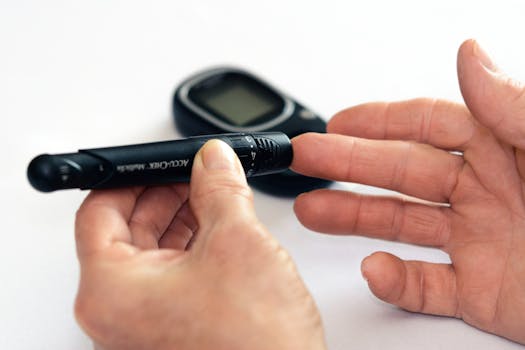
Continuous Glucose Monitors (CGMs) have transformed how type 1 diabetes is managed. These devices provide real-time data on blood glucose type 1, notifying users of trends and enabling timely adjustments to insulin and lifestyle for optimal control. This technology reduces the guesswork of blood glucose management and provides insights that help prevent both hypo- and hyperglycemia.
Insulin Management and Adjustments
Insulin therapy is crucial for managing type 1 diabetes blood glucose levels. Individuals typically require a combination of rapid-acting, long-acting, or intermediate-acting insulin. Adjustments to insulin units may be necessary based on dietary intake, physical activity, and other factors like stress or hormonal changes.
The integration of an insulin pump can also offer more precise dosing, mimicking the natural release of insulin by the pancreas. However, decisions regarding insulin management should be tailored to each person’s needs and done in consultation with a healthcare professional.
Factors Affecting Blood Sugar Levels
Several factors can influence blood glucose levels in individuals with type 1 diabetes:
- Diet: Carbohydrates have the greatest impact on blood sugar. Counting carbs and matching them with insulin dosing is crucial.
- Exercise: Physical activity can lower blood glucose levels. Planning meals and adjusting insulin before exercise can help manage these effects.
- Illness: Sickness can lead to higher blood glucose due to stress hormones. Extra monitoring and insulin may be required.
Nutrition and Healthy Eating
While there’s no one-size-fits-all diet, a balanced approach can help keep blood glucose levels stable. Eating a variety of nutrient-rich foods can support overall health:
- Include whole grains, fruits, and vegetables.
- Opt for lean protein sources and healthy fats.
- Limit foods high in sugar and refined carbs.
Working with a dietitian familiar with type 1 diabetes can provide personalized strategies and meal plans.
Type 1 Diabetes Glucose Levels: Monitoring and Managing
Effective management of type 1 diabetes glucose levels involves continuous diligence and education. By leveraging technology, maintaining an active lifestyle, and closely managing insulin and dietary intake, individuals can lead healthy lives and minimize complications. Engage with healthcare teams regularly for ongoing support and adjustments tailored to personal health goals.
- Maintain regular blood glucose monitoring with devices like CGMs.
- Understand the roles of diet, exercise, and insulin in glucose management.
- Work closely with healthcare providers for personalized care plans.
- Stay informed about the latest diabetes management technologies.
- Recognize the signs of hypo- and hyperglycemia for timely intervention.
FAQs
How often should I check my blood sugar with type 1 diabetes?
It’s generally recommended to check blood sugar levels several times a day: before meals, two hours after meals, and at bedtime. However, individual needs vary, so consult your healthcare provider for personalized advice.
Can exercise affect my blood sugar levels?
Yes, exercise can lower blood glucose levels. It’s important to plan ahead, consider adjusting insulin doses, and monitor levels before, during, and after physical activity to ensure they remain within a safe range.
What are the signs of low blood sugar?
Common symptoms of low blood sugar include shakiness, sweating, confusion, and irritability. If suspected, it’s crucial to consume quick-acting carbohydrates like glucose tablets or juice.
Can diet alone control my type 1 diabetes?
No, individuals with type 1 diabetes need to replace the insulin their body doesn’t produce. However, a balanced diet plays a vital role in managing blood glucose levels alongside insulin therapy.
Where can I find reliable information about managing type 1 diabetes?
Trusted resources include healthcare professionals and credible websites like Wikipedia’s page on Type 1 Diabetes, which offer detailed information about symptoms, treatment, and management strategies.