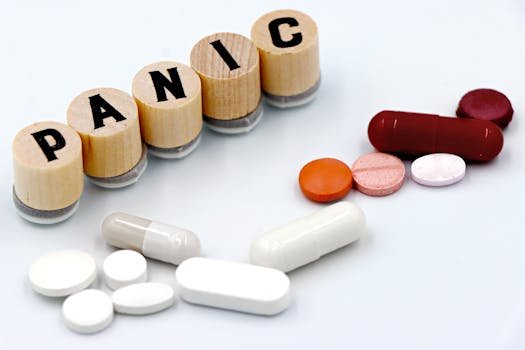
When people think about managing depression, they often wonder, does Xanax help with depression? Xanax, known generically as alprazolam, is a medication primarily prescribed for anxiety and panic disorders. However, the relationship between Xanax and depression is more complex and requires a nuanced understanding.
Understanding Xanax
Xanax belongs to a class of medications known as benzodiazepines, which act on the central nervous system to produce a calming effect. While Xanax is effective in reducing anxiety and panic symptoms, its role in treating depression is indirect. It is not typically prescribed as a first-line treatment for depression. Instead, its use in depressive disorders might be as a secondary agent to help manage anxiety symptoms that coexist with depression.
Does Xanax Help with Depression?
Xanax is not approved for the treatment of depression. While it may alleviate some symptoms associated with anxiety and stress, it does not address the root causes of depression. Sometimes, people with depression experience anxiety as a symptom, and in these cases, Xanax may help manage the anxiety component, thereby providing some relief. However, it’s essential to understand that Xanax should not be seen as a comprehensive treatment for depression.
How Xanax and Depression Are Related
Individuals with depression often experience overlapping symptoms with anxiety. Benzodiazepines like Xanax can offer short-term relief for anxiety symptoms, which may accompany depression. However, these medications do not tackle the underlying depressive disorder. Long-term reliance on Xanax for managing depression-related symptoms can lead to dependency, highlighting the need for careful medical oversight.
For those exploring alternative treatments, there are several options to consider. For more information about potential alternatives, visit our guide on over-the-counter Xanax alternatives.
Alternatives to Xanax for Depression
Depression is typically treated with antidepressants such as selective serotonin reuptake inhibitors (SSRIs) or serotonin-norepinephrine reuptake inhibitors (SNRIs). These medications target brain chemistry more directly linked to mood regulation. Psychotherapy and lifestyle changes, such as exercise and mindfulness, are also crucial components of a comprehensive treatment plan.
Consulting a Healthcare Professional
If you or someone you know is struggling with depression, it’s vital to consult a healthcare professional. They can offer a detailed assessment and create a tailored treatment plan. Remember, individualized care is key when it comes to mental health, and no single treatment fits everyone.
For more detailed information on pharmaceuticals and mental health, consider exploring this resource at Wikipedia.
In summary, the answer to the question does Xanax help with depression is intricate. While it may help alleviate anxiety symptoms that occur alongside depression, it is not a suitable standalone treatment for depression itself.
- Xanax is a benzodiazepine used primarily for anxiety and panic disorders.
- It is not approved as a treatment for depression.
- Using Xanax for depression must be monitored to avoid dependency.
- Alternative treatments like antidepressants and therapy can more directly target depression.
What is Xanax most commonly prescribed for?
Xanax is most commonly prescribed for managing anxiety disorders and panic disorders. It helps to reduce feelings of anxiety and fear.
Is Xanax addictive?
Yes, Xanax can be addictive, especially when used for extended periods or not as prescribed. It’s important to use it under strict medical guidance.
Can Xanax cause depression?
Xanax itself doesn’t cause depression, but some people may experience worsening of mood and depressive symptoms as a side effect when using it.
How long does Xanax stay in your system?
Xanax can stay in your system for various durations depending on factors like metabolism, dosage, and frequency of use, but it generally has a half-life of about 11 hours.
What should I do if I am experiencing depression?
If you are experiencing depression, it’s important to consult a healthcare provider. They can assess your symptoms and recommend appropriate treatment options tailored to your needs.