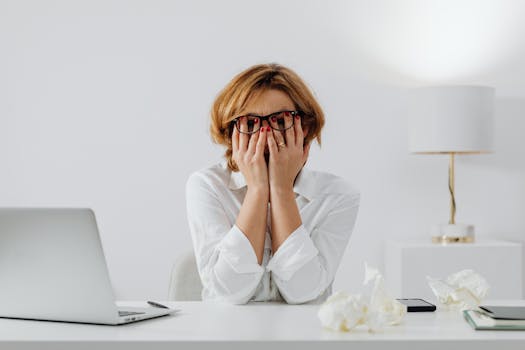
Nocturnal panic attacks can be a frightening experience, disrupting sleep and leaving you feeling anxious without warning. Often striking suddenly and intensely, these attacks are episodes of extreme fear and distress that occur during sleep. Understanding why they happen and how to handle them is crucial for minimizing their impact.
Understanding Nocturnal Panic Attacks
Panic attacks that occur during sleep are known as nocturnal panic attacks. They can manifest as a racing heart, sweating, or a sense of impending doom. Unlike ordinary nightmares, these attacks may wake you up abruptly, leaving you in a state of confusion and fear. Knowing that nocturnal panic attacks are relatively common might help you find reassurance and comfort.
What Causes Nocturnal Panic Attacks?
The exact cause of nocturnal panic attacks remains unclear, but several factors contribute to their onset. Stress and anxiety are primary triggers, with some people experiencing heightened anxiety at night or upon waking. Hormonal changes, genetic predisposition, and certain lifestyle factors, such as excessive caffeine consumption, play a role as well. Understanding these triggers can aid in managing nighttime panic attacks.
Signs and Symptoms
Signs of a panic attack while sleeping can vary but typically include waking up with a fast heartbeat, sweating, and shortness of breath. You might feel dizzy or disoriented, and experience a rush of anxiety when falling asleep. These symptoms often mirror those of panic attacks during the day and can leave you feeling very unsettled.
Managing and Reducing Nocturnal Anxiety
While completely eliminating nocturnal panic attacks may not be possible, there are strategies to reduce their frequency. Creating a calming bedtime routine and maintaining a consistent sleep schedule is helpful. Limiting caffeine and screens before bed can also aid in reducing anxiety when waking up. Engaging in relaxing activities, such as reading or listening to soothing music, can ease a high-strung mind.
Sometimes, adopting a digital detox might greatly reduce anxiety during sleep.
Professional Help and Support
If nocturnal panic attacks regularly disrupt your sleep, consulting a mental health professional might be necessary. Cognitive Behavioral Therapy (CBT) is a common treatment that helps change patterns of thinking and behavior linked to anxiety. A healthcare provider may suggest medication in some cases, but always seek professional advice before starting any medication.
Self-Help Techniques
Lifestyle changes can also help in managing anxiety. Regular exercise, meditation, and practicing mindfulness are beneficial. Learning techniques for deep breathing or progressive muscle relaxation might assist in calming your mind. Keeping a sleep journal can help in identifying patterns and triggers related to sleep anxiety symptoms.
When to Seek Help
It’s essential to seek professional help if panic attacks in your sleep significantly impact your daily life. Persistent anxiety or disrupted sleep can lead to other health issues, making it crucial to address the cause. Understanding that you’re not alone and that support is available is key to managing nighttime panic attacks.
Visit this Wikipedia page for more comprehensive information on panic attacks.
Nocturnal panic attacks may challenge your restful nights, but with the right strategies and support, you can manage them effectively.
- Nocturnal panic attacks are episodes of intense anxiety during sleep.
- Stress and lifestyle factors may trigger these attacks.
- Symptoms include waking with a racing heart or sweating.
- Creating a calming routine can help manage nighttime anxiety.
- Consult a professional if attacks are frequent and disruptive.
What are nocturnal panic attacks?
Nocturnal panic attacks are sudden episodes of intense fear or anxiety that occur during sleep, often waking the individual abruptly.
What causes panic attacks at night?
Stress, anxiety, hormonal shifts, and certain lifestyle choices like caffeine intake can trigger panic attacks at night.
How can I stop morning anxiety?
To reduce morning anxiety, maintain a consistent sleep schedule, engage in relaxation techniques before bed, and practice mindfulness upon waking.
Can anxiety attacks occur during sleep?
Yes, anxiety attacks can occur during sleep, leading to sudden awakenings with symptoms similar to those experienced while awake.
Why do I wake up feeling anxious?
Waking up feeling anxious may be due to underlying stress, unresolved issues, or disruptions in sleep patterns. Identifying and managing these factors can help reduce morning anxiety.