If you’ve noticed a droopy eyelid after cataract surgery, you’re not alone. This condition, medically known as ptosis, can appear in some patients following the procedure. It’s a topic of concern for many who have undergone cataract surgery, as changes in the eyelids can affect both appearance and vision. In this article, we’ll explore what causes this condition, who is most at risk, and potential treatments.
What is a Droopy Eyelid After Cataract Surgery?
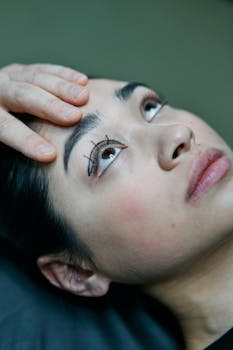
Ptosis, or droopy eyelid, occurs when the upper eyelid droops over the eye. After cataract surgery, some patients may experience eye drooping. This can range from mild sagging to a more noticeable droop that affects vision. While it’s relatively uncommon, understanding why it happens can help in addressing and potentially preventing the condition.
Causes of Eyelid Droop After Cataract Surgery
There are several reasons why eyelid droop occurs following cataract surgery. One potential cause is the physical manipulation of the eyelid during the procedure. The use of a speculum, a device that keeps the eye open, may stretch the eyelid muscles over time. Additionally, anesthesia used during the surgery can also play a role by affecting the nerves temporarily.
Another possibility is the natural aging process. As we age, the muscles in and around the eyelids can weaken. For some patients, this surgery coincides with pre-existing eyelid laxity, which becomes more noticeable post-surgery.
Who is Most at Risk?
While not everyone who undergoes cataract surgery will experience droopy eyelids, certain factors increase the likelihood. Older adults are more susceptible due to age-related muscle weakening. Those with a history of eyelid conditions or surgeries may also be at increased risk.
It is essential for patients to discuss their medical history with their eye surgeon beforehand. This discussion can help identify any predispositions to droopy eyelid following cataract surgery, allowing the surgeon to take preventive measures if possible.
Treatment Options
For those experiencing eyelid droop after cataract surgery, several treatment options are available. Mild cases may not require intervention and can resolve over time as the eyelids return to their normal state. Regular follow-ups with your ophthalmologist can monitor progress.
In more severe instances, surgical intervention may be necessary. Eyelid surgery, known as blepharoplasty, can correct the droop by tightening the muscles and removing excess skin. It is crucial, however, to weigh the benefits with the potential risks and costs involved in this procedure.
Non-surgical options, like eyelid exercises, may also offer mild improvement, though they are typically less effective for significant drooping. Patients should consult their doctors before beginning any treatment regime to ensure it aligns with their specific needs.
Managing Concerns and Following Up
Experiencing a droopy eye after cataract surgery can be concerning, but it’s essential to remain informed and proactive. Regular visits to your ophthalmologist are critical. They can assess the severity of the droop and recommend the most suitable treatment options.
Furthermore, understanding recovery timelines is crucial. While many people expect a quick recovery, factors like age and general eye health can influence healing. Transparency about expectations can ease anxiety and facilitate better outcomes.
Prevention Strategies
While not all cases of droopy eyelids can be prevented, there are strategies to reduce risk. Communicate openly with your eye surgeon about any concerns, especially regarding previous eyelid issues. This communication allows for a personalized surgical plan that minimizes stress on the eyelid.
Another preventive measure is practicing good eye health before surgery. Maintaining regular eye check-ups and following a healthy lifestyle can support optimal eye health and potentially reduce complications during surgery.
For more insights into recovery timelines after eye surgeries, you can explore our article on the rhinoplasty recovery timeline as a reference.
For a deeper understanding of health-related topics, the Wikipedia page on Health offers additional reading.
Conclusion
In summary, while a droopy eyelid after cataract surgery can be a source of concern, understanding its causes and available treatments can help manage the condition effectively. Whether self-resolving or requiring medical intervention, individualized care and professional consultation are key.
- Ptosis, or droopy eyelid, can occur following cataract surgery.
- Factors include age, surgical manipulation, and pre-existing conditions.
- Treatment options range from monitoring to surgical correction.
- Prevention involves communication and maintaining eye health.
- Regular follow-ups with an ophthalmologist are essential for managing outcomes.
Frequently Asked Questions
What causes a droopy eyelid after cataract surgery?
Causes include physical manipulation during surgery, effects of anesthesia, and pre-existing muscle weakness or aging-related factors.
Is a droopy eyelid after cataract surgery permanent?
In many cases, the condition may improve over time without intervention. However, persistent cases may require surgical correction.
How can a droopy eyelid affect vision?
A severely drooping eyelid can cover part of the pupil, leading to reduced vision. It can also cause eye strain or discomfort.
Can eyelid exercises help with droopy eyelids?
Eyelid exercises may offer mild improvement, but they are usually less effective for significant drooping compared to surgical options.
Should I be concerned about eye drooping after surgery?
While generally not serious, eye drooping can affect quality of life. Consulting with your doctor is recommended for proper assessment and treatment.