When it comes to understanding how to prevent scarring, knowledge is key. Whether you’ve experienced a minor cut or undergone surgery, scars can be a concern for many. While scars are a natural part of the healing process, there are steps you can take to minimize their appearance.
Understanding How to Prevent Scarring
Preventing scars begins with proper wound care. Keeping the affected area clean and covered can aid healing. Topical treatments may also play a role in reducing scar formation. In some cases, professional treatments can be effective. Let’s explore more detailed strategies below.
Wound Care Practices
Proper wound care is a critical starting point for minimizing scars. First, cleanse the wound gently with soap and water. Avoid harsh scrubbing, which can irritate the skin. After cleaning, apply an antibiotic ointment to help keep the wound moist, reducing scab formation, which is beneficial when considering how to avoid scars on the face and other visible areas.
Moisturizing and Sun Protection
Keeping the skin moisturized is crucial for healthy healing. Use a fragrance-free moisturizer to prevent irritation. In addition, protecting healing skin from the sun will minimize discoloration and scarring. Wearing sunscreen daily with an SPF of at least 30 is advisable. Discover more about facial care post-treatment here.
Topical Treatments
Certain topical applications, such as silicone gel sheets or gel, may help reduce the potential for scars. By hydrating the tissue and providing a barrier, silicon can support the healing process. Likewise, creams containing onion extract, which is an ingredient in some scar-reducing products, are often recommended for their purported benefits in minimizing scarring.
Medical Interventions
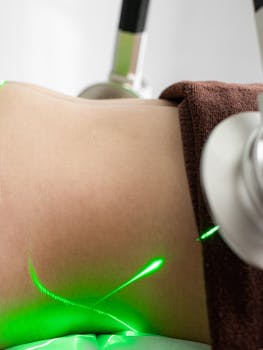
In cases where laceration scars are a concern, consulting a dermatologist may be beneficial. Professionals can offer treatments such as laser therapy, which helps in breaking down scar tissue. Additionally, corticosteroid injections are often used for raised scars to flatten them and improve their appearance.
How to Prevent Scarring on the Face
Facial scars can be particularly distressing due to their visibility. Taking immediate action and implementing gentle care techniques can improve outcomes. Using a gentle cleanser and products formulated for sensitive skin can reduce irritation and help the scar mature better. For more severe cases, treatments like microneedling or chemical peels, which should be performed by trained professionals, may offer additional options for smooth skin.
When to See a Professional
If home care strategies do not yield the desired results, or if the scar is causing functional or aesthetic concerns, seeking professional advice is advisable. Dermatologists or other healthcare experts can assess the situation and recommend a treatment plan tailored to specific needs.
To explore further about health topics and skin healing, you may refer to this informative resource.
Final Thoughts on How to Prevent Scarring
Understanding how to prevent scarring involves consistent care and sometimes professional insight. With the right strategies, you can significantly reduce the visibility of scars and improve skin recovery. While not all scarring can be entirely prevented, taking proactive steps will aid in achieving the best possible skin condition.
- Start with proper wound care to minimize scarring.
- Moisturization and sun protection are essential.
- Consider professional treatments for persistent scars.
- Consult a dermatologist for personalized advice.
- Consistent care is key to reducing scar visibility.
FAQs
What are common ways to minimize scarring?
Common methods include keeping the wound clean, using silicone gel or sheets, moisturizing, and protecting the area from the sun to avoid pigmentation changes.
Do all wounds result in scars?
Not all wounds result in visible scars. Shallow cuts might heal without noticeable scarring, depending on their depth, your skin type, and care during healing.
Are natural remedies effective in scar prevention?
Some natural remedies, like aloe vera or honey, are suggested to support healing, but evidence varies. They’re generally safe to try alongside prescribed treatments.
When should I consult a dermatologist about scars?
Consult a dermatologist if a scar affects your confidence, causes discomfort, or if you’re interested in professional treatments to improve its appearance.
Can old scars be improved?
While it’s more challenging, professional treatments such as laser therapy or microneedling can improve the appearance of older scars with varying degrees of success.