As people seek to maintain a youthful appearance, they often ask, is Botox healthy for treating wrinkles and other cosmetic concerns? This popular treatment, widely used for its wrinkle-reducing effects, sparks curiosity about its benefits and potential risks. Understanding what Botox is and how it functions can help you make informed decisions about incorporating it into your skincare routine.
Is Botox Healthy?
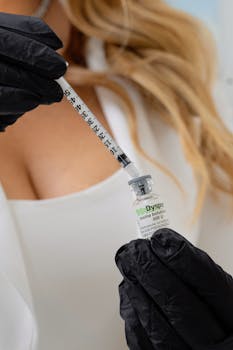
Botox, a purified form of botulinum toxin, is primarily used to reduce the appearance of facial wrinkles. It’s administered through injections and works by temporarily relaxing the muscles responsible for wrinkles. While Botox has been approved by regulators and is generally considered safe when administered by a qualified professional, it’s essential to weigh its potential benefits against possible adverse effects.
What Does Botox Treat?
Botox is widely used for cosmetic purposes, particularly for reducing the appearance of face wrinkles. Lines on the forehead, crow’s feet around the eyes, and frown lines between the eyebrows are common targets. In addition to its cosmetic uses, Botox is employed in medical treatments for conditions like chronic migraines, excessive sweating (hyperhidrosis), and certain muscle disorders.
Understanding Botox Effects
The effects of Botox are typically noticeable within a few days of treatment and can last around three to six months. As the muscles gradually regain action, wrinkles and lines may reappear, prompting many individuals to undergo repeated treatments to maintain results. However, with ongoing use, some may find that the duration of Botox’s effects extends over time.
Potential Botox Adverse Effects
While Botox is generally safe, some individuals may experience botox injection side effects. Common side effects include localized pain, swelling, bruising at the injection site, and headaches. Additionally, some may encounter more systemic reactions, often referred to as botox reactions. In rare instances, patients may exhibit symptoms of botox poisoning, such as difficulty breathing, swallowing, or muscle weakness, which require immediate medical attention.
Negative Effects of Botox
Alongside standard side effects, other negative effects of botox might include eyelid drooping or uneven facial expressions. It’s crucial to have a thorough discussion with a certified medical professional about all potential risks before proceeding with any treatment. Ensuring your practitioner is well-versed in facial anatomy can also minimize the likelihood of undesirable outcomes.
Results and Considerations
For those considering Botox for face wrinkles, it’s important to understand not only the visible enhancements but also the necessity for maintenance. Patients must assess their comfort levels with periodic treatments and weigh potential cosmetic botox injection side effects against desired outcomes. Consulting with an experienced clinician can provide valuable insights tailored to your personal health and skincare goals.
Long-Term Use of Botox
The effects of continuous Botox use remain a subject of ongoing research. While some notice cumulative benefits, others may report diminishing returns or the need for more frequent treatments over time. Current evidence suggests that Botox remains an effective treatment when applied judiciously, though individual experiences may vary.
In summary, the question of is Botox healthy extends beyond its immediate cosmetic benefits. Understanding the procedure’s nuances and potential risks is essential for making informed choices. Always seek advice from a healthcare professional to address any concerns regarding Botox’s suitability for your needs.
Takeaways
- Botox is a widely used treatment to reduce facial wrinkles.
- Generally considered safe, Botox has potential side effects to be aware of.
- Medical professionals can provide guidance on minimizing risks.
- Regular treatments may be necessary to maintain results.
- Further research continues on the long-term effects of Botox.
FAQ
What is Botox, and how does it work?
Botox is a neurotoxin that temporarily relaxes muscles by blocking nerve signals, reducing wrinkles and fine lines.
Are there any serious Botox side effects?
Although rare, serious side effects like difficulty breathing or swallowing can occur. Immediate medical attention is essential in such cases.
Can anyone get Botox injections?
Not everyone is suited for Botox. People with certain medical conditions or allergies should avoid it. Consult your doctor to determine if it’s suitable for you.
How often will I need Botox treatments?
Typically, Botox treatments are required every three to six months, depending on individual response and the area treated.
Where can I find more information about Botox?
For more detailed information about Botox, consider visiting reliable sources such as the FDA’s website or other reputable health websites.