In today’s fast-paced world, finding effective ways to relieve stress is crucial for maintaining overall health and well-being. One popular and highly effective method is meditation for stress relief. This ancient practice has been embraced by millions around the world as a way to calm the mind, reduce tension, and foster a more balanced lifestyle. In this article, we will explore various meditation techniques and how they can be applied to manage stress effectively.
Understanding Meditation for Stress
Meditation is a practice that involves focusing the mind on a particular object, thought, or activity to train attention and awareness. When practiced consistently, meditation can lead to increased emotional regulation and improved stress management. Meditation for stress is not just about relaxation; it’s about building the resilience needed to handle daily challenges more calmly and efficiently.
The Science Behind Meditation
Studies show that regular meditation practice can induce significant changes in the brain. It increases the density of gray matter, especially in areas associated with emotional regulation and self-control. By engaging in stress management meditation, individuals can lower cortisol levels, which are often heightened in stressful situations. For more detailed scientific explanations, you can refer to this informative article on Health on Wikipedia.
Steps to Begin Your Meditation Practice
Starting a meditation practice doesn’t require any special skills or equipment. Here’s a simple guide to get you started:
- Find a Quiet Space: Choose a calm environment where you won’t be disturbed.
- Set a Timer: Begin with a short duration, like 5-10 minutes, and gradually increase as you become more comfortable.
- Select a Focus: This could be your breath, a mantra, or even a visual object.
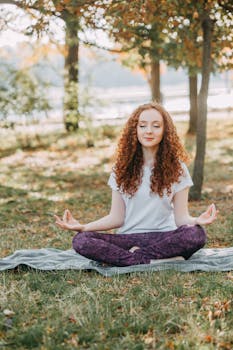
- Sit Comfortably: Maintain a posture that is both relaxed and alert.
- Be Patient: It’s normal for the mind to wander. Gently guide your focus back whenever this happens.
Types of Meditation for Stress Relief
There are various meditation techniques you can explore and incorporate into your daily routine:
- Mindfulness Meditation: This involves paying attention to the present moment without judgment, often by focusing on the breath.
- Guided Meditation: Listening to a guide who takes you through a relaxing visualization or narration.
- Progressive Muscle Relaxation: Systematically tensing and then relaxing different muscle groups in the body.
- Metta Meditation: Also known as loving-kindness meditation, it involves sending positive intentions toward oneself and others.
Incorporating Meditation into Your Daily Routine
To effectively incorporate meditation into your daily routine, try these strategies:
- Consistency: Meditate at the same time each day to build a habit.
- Use Technology: Consider apps and online resources to guide your sessions.
- Start Small: Begin with short sessions and gradually increase as you become more comfortable.
Additionally, addressing symptoms of stress can greatly enhance your meditation practice. For more insights on how to manage symptoms of anxiety, check out this article on stopping shaking from anxiety.
Making Meditation a Longevity Practice
By regularly engaging in meditation for stress, not only do you enhance your immediate well-being, but you also foster long-term mental and emotional health. Over time, meditation helps cultivate a profound inner peace and equanimity, enabling you to approach life’s challenges with greater balance and clarity. Remember, the positive impacts of meditation extend beyond personal well-being, contributing to better relationships and an overall sense of harmony in your life.
- Practice meditation regularly to see long-term benefits.
- Explore different types of meditation to find what works best for you.
- Meditation can help manage stress and improve emotional resilience.
Are there specific times when meditation is most effective?
While meditation can be beneficial at any time of day, many people find it effective to meditate in the morning to set a calm tone for the day or at night to unwind and relax before sleep.
How long should I meditate to see benefits in stress management?
Even short sessions of meditation, as little as 5-10 minutes a day, can be effective. The key is consistency and gradually increasing the time as you become more comfortable.
Can meditation help with reducing physical symptoms of stress?
Yes, meditation can help reduce physical symptoms of stress by promoting relaxation and lowering cortisol levels, which can lessen tension and improve overall body function.
Will meditation make a noticeable difference quickly?
Meditation can lead to noticeable changes in stress levels fairly quickly, though the most significant benefits are often experienced with regular, long-term practice.
Is it necessary to sit cross-legged to meditate?
No, sitting cross-legged is not necessary. The most important factor is to find a comfortable and stable position that allows you to focus on your practice without discomfort.