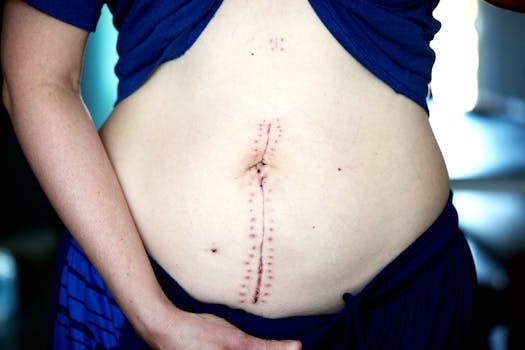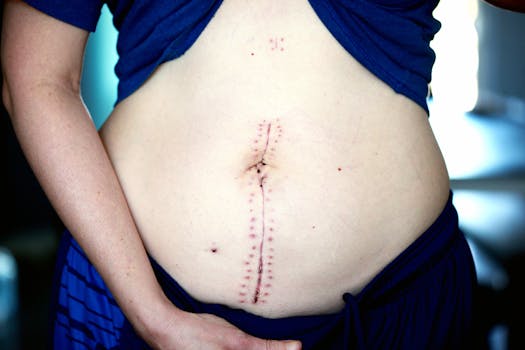
When it comes to improving the appearance of scars, many individuals turn to scar removal options. This process can enhance confidence and restore aesthetics, although it’s essential to understand the various methods available and their potential outcomes. From simple home treatments to advanced surgical procedures, learning about the pros, cons, and expected results can guide you toward the most suitable option.
Understanding Scar Removal
Scar removal involves different techniques to reduce the visibility of scars caused by surgery, injury, or other skin damage. Depending on the type and severity of the scar, you may choose non-invasive treatments or more aggressive surgical options. It’s crucial to have realistic expectations and understand that while scars may fade significantly, complete disappearance is rare.
Non-Surgical Treatments for Scar Reduction
Many people start with non-surgical treatments as the initial step in their scar removal journey. These can include topical solutions like the best lotion for scars or advanced formulations such as the best ointment for scars. These products often contain ingredients like silicone, which can help flatten and soften scars over time.
Other methods, such as chemical peels and microdermabrasion, can be effective in reducing the appearance of superficial scars by removing the upper layers of dead skin cells. Consistent application and maintenance are key to achieving desired outcomes with these treatments.
Surgical Options for Scar Removal
For more severe scars, surgical procedures such as scar excision or skin grafting may be considered. These methods are often used for surgical scars or those not responding to less invasive treatments. In some cases, cosmetic surgery may provide options for scar correction plastic surgery.
While surgery can significantly improve the appearance of thick, raised, or recessed scars, it also involves risks and requires downtime for recovery. Discussing these options with a healthcare professional can help you determine the best treatment for surgical scars.
Laser Treatments and Therapies
Laser therapies have become increasingly popular for scar removal. Different lasers can target specific types of scars, such as pigmentation issues or thickened scar tissue. Fractionated laser treatment, for example, can promote a smoother skin texture and even out skin tone.
Though typically more effective than topical treatments, laser therapies may require multiple sessions and carry a higher cost. Always consult with a licensed dermatologist to explore if this is the right option for your scar type.
Pros and Cons of Scar Removal Techniques
Each scar removal method comes with its own set of advantages and disadvantages. Non-surgical treatments, for instance, are generally more accessible and less costly but may take longer to show visible results. Surgical options provide more immediate and noticeable improvements but are invasive and require recovery time.
Understanding the limitations and potential side effects of each method is crucial in making an informed decision. For instance, how long do scars last can vary significantly with the type of treatment chosen.
Scar Healing and Care After Surgery
Post-surgical scar management is vital to enhancing the outcome of any scar removal technique. Applying scar healing cream or engaging in other scar care after surgery can make a significant difference. Knowing when to apply scar cream after stitches is crucial for optimal healing.
Additionally, massaging the scar area with suitable products can help reduce scar tissue and improve elasticity. For more detailed information on modern skincare technologies that aid in scar recovery, explore the latest breakthroughs in skincare technology.
Will Scars Ever Go Away?
One of the most frequently asked questions is whether scars will ever completely vanish. The truth is, while scars can fade significantly over time, they rarely disappear entirely. Techniques that help improve their appearance include consistent use of quality products and, in some cases, procedural interventions.
The duration and redness of a scar can vary; for instance, how long do scars stay red can depend on both the nature of the scar and the individual’s skin type. Nevertheless, with the right approach, including consultation with healthcare professionals, scars can become much less noticeable.
To deepen your understanding of skin and scar health, you may read more on credible resources like this Wikipedia article on scars.
- Scar removal techniques range from simple topical treatments to advanced surgical procedures.
- Topical treatments may take time to show results but are generally more accessible.
- Surgical options offer significant improvements but carry risks and recovery time.
- Consistent scar care after treatment can enhance overall outcomes.
- Scars generally fade over time but rarely disappear entirely.
Can scar tissue be removed completely?
While scar tissue cannot be entirely removed, its appearance can be minimized through various treatments. Consultation with a professional can provide options based on scar type and personal preferences.
Do scars fade over time?
Yes, scars often fade as the skin undergoes natural healing. However, the extent and time it takes can vary significantly depending on factors like treatment methods and skin type.
How long do scars take to heal?
The healing time for scars can range from a few months to years. Factors such as the initial injury, treatment type, and individual skin characteristics all play a role in the healing duration.
What should I put on my scar after surgery?
Post-surgical care often involves using specialized scar healing creams and ointments that contain ingredients like silicone, which help reduce and improve the appearance of the scar. Consult with a healthcare provider for personalized recommendations.
Can cosmetic surgery completely remove scars?
Cosmetic surgery can significantly reduce the appearance of scars, but it typically does not remove them entirely. Each procedure carries its own set of risks and benefits, which should be thoroughly discussed with a qualified surgeon.