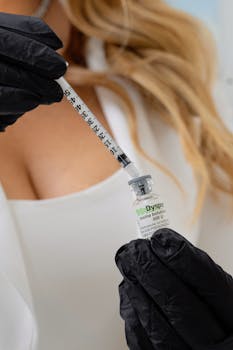
When exploring options for wrinkle-reducing treatments, many people compare Xeomin vs Botox to decide which is better suited for their needs. These popular injectable treatments are both designed to smooth fine lines and wrinkles by reducing muscle activity. However, understanding their differences is essential to make an informed choice.
Understanding Xeomin vs Botox: What Are They?
Both Xeomin and Botox are types of botulinum toxin type A. They are neuromodulators employed primarily in cosmetic dermatology to minimize facial wrinkles. Although they work similarly by blocking nerve signals to muscles, leading to wrinkle relaxation, there are some distinctions.
What is Xeomin?
Xeomin, often referred to as the “pure” version of botulinum toxin, does not contain any accessory proteins. This purer formulation is thought to reduce the risk of developing antibodies, which might make treatments less effective over time.
For those new to injectables, understanding the specifics of Xeomin can be helpful. It is a suitable choice for anyone concerned about potential immune responses to other botulinum products.
What is Botox?
Botox has been a household name in cosmetic treatments for decades. Known for its quick results and versatility, Botox is used for both medical and cosmetic purposes. Its formulation includes protective proteins that some believe may help with the product’s stability, though this is a matter of ongoing research.
Comparing the Results of Xeomin vs Botox
When comparing Xeomin vs Botox, both provide similar facial rejuvenation results, but individual responsiveness varies. Users often have preferences based on personal experience, desired outcomes, and how quickly they see results.
Typically, users may start noticing results from Botox within 24 to 48 hours, with full effects visible within 7 to 14 days. Conversely, Xeomin results may take slightly longer to become evident, often appearing at around the same timeframe, but some patients report a quicker onset of results.
Duration of Effects
Despite slight differences in onset, both treatments generally last between three to six months, depending on individual metabolism, dosage, and treatment area. Regular treatments are recommended to maintain results, regardless of the product used.
Potential Side Effects and Considerations
Like all medical treatments, both Xeomin and Botox come with potential side effects. Common issues include injection site pain, swelling, bruising, and possible headaches. The formulation differences between Xeomin and Botox are not significant enough to change their side effect profiles dramatically.
It’s crucial for individuals considering these treatments to consult with a qualified healthcare provider. Exploring detailed information on these options can help ensure safe and effective usage. For more specifics on botulinum toxin treatments, visit our in-depth guide on Botox brands and their treatment results.
Who Should Avoid These Treatments?
Anyone with a neurological condition, pregnant or nursing, or allergic reactions to botulinum toxin should avoid these injections. It’s imperative to have open discussions with healthcare providers regarding individual health histories and potential contraindications.
Choosing Between Xeomin vs Botox
Deciding between Xeomin vs Botox hinges on individual goals, budget, and preferences for treatment attributes, such as how quickly results are needed. A practical step is discussing with experienced professionals about each option, as they can offer insights into effectiveness, side effects, and expected results based on professional experience.
Cost Comparison
The cost of either Xeomin or Botox will vary depending on geographic location, practitioner expertise, and amount needed for treatment areas. While both products are similarly priced, special promotions or package deals often influence decisions.
Takeaways
- Xeomin and Botox are both effective wrinkle treatments derived from botulinum toxin type A.
- Xeomin is a “naked” form without accessory proteins; Botox includes these proteins.
- Results and duration of effects can vary between individuals and treatments.
- Consult a qualified provider to discuss suitability and safety.
- For further reading, refer to reputable sources such as Wikipedia’s health page.
FAQ
What are the primary differences between Xeomin and Botox?
Xeomin is purified to remove accessory proteins, while Botox includes them. This distinction is thought to impact how the body might develop antibodies, potentially affecting long-term efficacy.
Are Xeomin and Botox results permanent?
No, results from both injectables are temporary, typically lasting three to six months. Regular treatments are needed to maintain results.
Can I switch from Botox to Xeomin or vice versa?
Yes, switching between products is generally considered safe, but individual results may vary. It’s best to consult with a healthcare provider before making any changes.
How much do Xeomin and Botox treatments cost?
The cost for each treatment can vary based on location, practitioner, and dosage needs. Pricing for Botox and Xeomin is generally similar, but specific promotions might offer cost advantages.
What factors affect the duration of Xeomin and Botox effects?
Metabolism, dosage, injection site, and individual response all influence how long results last. A healthcare provider can provide personalized estimates based on these factors.