
Table of Contents
Understanding Ozempic Dosing Basics
Managing type 2 diabetes and pursuing weight loss can feel overwhelming, but medications like Ozempic offer targeted support for better health outcomes. As a semaglutide-based injectable, Ozempic helps regulate blood sugar levels and promotes gradual weight reduction when combined with lifestyle changes. Understanding the ozempic dosing schedule by week is essential, as it allows your body to adjust slowly, minimizing side effects like nausea while maximizing benefits for long-term wellness.
Ozempic, approved by the FDA for type 2 diabetes management and chronic weight management in adults with obesity or overweight conditions, works by mimicking a hormone that slows digestion and reduces appetite. According to the Mayo Clinic, the typical ozempic starting dose is 0.25 mg once weekly for the first four weeks via subcutaneous injection, primarily to help patients tolerate the medication. This initial phase sets the foundation for the ozempic dose increase schedule, which may progress to 0.5 mg, 1 mg, or up to 2 mg weekly based on individual response and goals like improved glycemic control or sustainable weight loss. Healthcare providers play a crucial role in overseeing this semaglutide dose progression timeline, tailoring adjustments to monitor efficacy and side effects while integrating it with diet and exercise routines.
For those new to Ozempic, this guide explores the weekly Ozempic titration plan in detail, from initiation to maintenance doses. Consult the Ozempic Dosing Frequency Guide for additional insights on administration timing.
By following a structured approach under professional guidance, Ozempic becomes a powerful ally in holistic wellness, supporting personalized paths to better blood sugar stability and body composition.
Ozempic Dosing Fundamentals
Starting Ozempic requires a careful approach to ensure safety and effectiveness, especially for individuals new to semaglutide-based therapies. The Ozempic Dosing Schedule forms the backbone of this medication’s use in weight loss management and type 2 diabetes control. By beginning with a low dose, patients can minimize discomfort while allowing the body to adjust, setting the stage for long-term success in appetite suppression and metabolic improvement. This foundational knowledge empowers users to collaborate confidently with their healthcare providers, integrating Ozempic into a holistic wellness plan that includes balanced nutrition and regular monitoring.
The ozempic dosing schedule by week starts conservatively to build tolerance gradually. For most patients, the initial semaglutide regimen kicks off at 0.25 mg once weekly for the first four weeks. This beginning Ozempic protocol, as outlined in guidelines from Drugs.com, helps the digestive system adapt without overwhelming it. Healthcare providers prescribe this ozempic starting dose based on individual health profiles, ensuring it aligns with goals like sustained weight loss through reduced hunger signals.
Preparing the ozempic starting dose involves straightforward steps to guarantee accurate administration. First, select a new pen from the refrigerator and let it reach room temperature for about 30 minutes. Check the medication’s color and clarity through the window, discarding if it appears cloudy. Prime the pen by attaching a new needle, dialing to the flow check symbol, and injecting two drops of solution to remove air bubbles. Choose an injection site such as the abdomen, thigh, or upper arm, rotating locations each week to prevent skin irritation. Clean the area with an alcohol swab, pinch the skin, and insert the needle at a 90-degree angle for subcutaneous delivery, which means injecting just under the skin layer. Press the dose button fully until the counter shows zero, holding for at least six seconds before withdrawing. Dispose of the needle safely in a sharps container. These steps, drawn from Drugs.com dosage instructions, promote hygiene and precision, reducing injection-site reactions.
Initiating treatment with a low dose like 0.25 mg is crucial because it allows the body to acclimate to semaglutide’s effects on blood sugar and appetite hormones. This strategy, supported by clinical titration protocols, lowers the risk of abrupt disruptions and fosters adherence.
| Dose Level | Duration (Weeks) | Purpose | Key Considerations |
|---|---|---|---|
| 0.25 mg | 1-4 | Initiation and tolerance building | Minimize gastrointestinal side effects; once-weekly injection; monitor for nausea |
This table highlights the ozempic starting dose overview, emphasizing its role in easing patients into therapy. As per Drugs.com, the four-week duration at this level typically builds sufficient tolerance, paving the way for potential increases without excessive discomfort. Interpreting these elements shows how a measured start enhances overall outcomes, allowing users to focus on lifestyle integrations like mindful eating.
Common side effects during the beginning Ozempic protocol often involve gastrointestinal issues, such as mild nausea, vomiting, or diarrhea, affecting about 20% of starters according to Drugs.com data. These symptoms usually peak in the first weeks but subside as the body adjusts, thanks to the low initial dose. To manage them, pair injections with adequate hydration and light meals, avoiding fatty foods that exacerbate upset. If nausea persists, over-the-counter remedies or dose timing adjustments with provider guidance can help. Remember, these effects underscore the medication’s impact on digestion, a key factor in its weight loss efficacy, and most resolve without intervention.
Understanding these fundamentals transitions smoothly to the ozempic dose increase schedule, where gradual escalations optimize benefits while monitoring progress. This progression ensures sustained wellness gains.
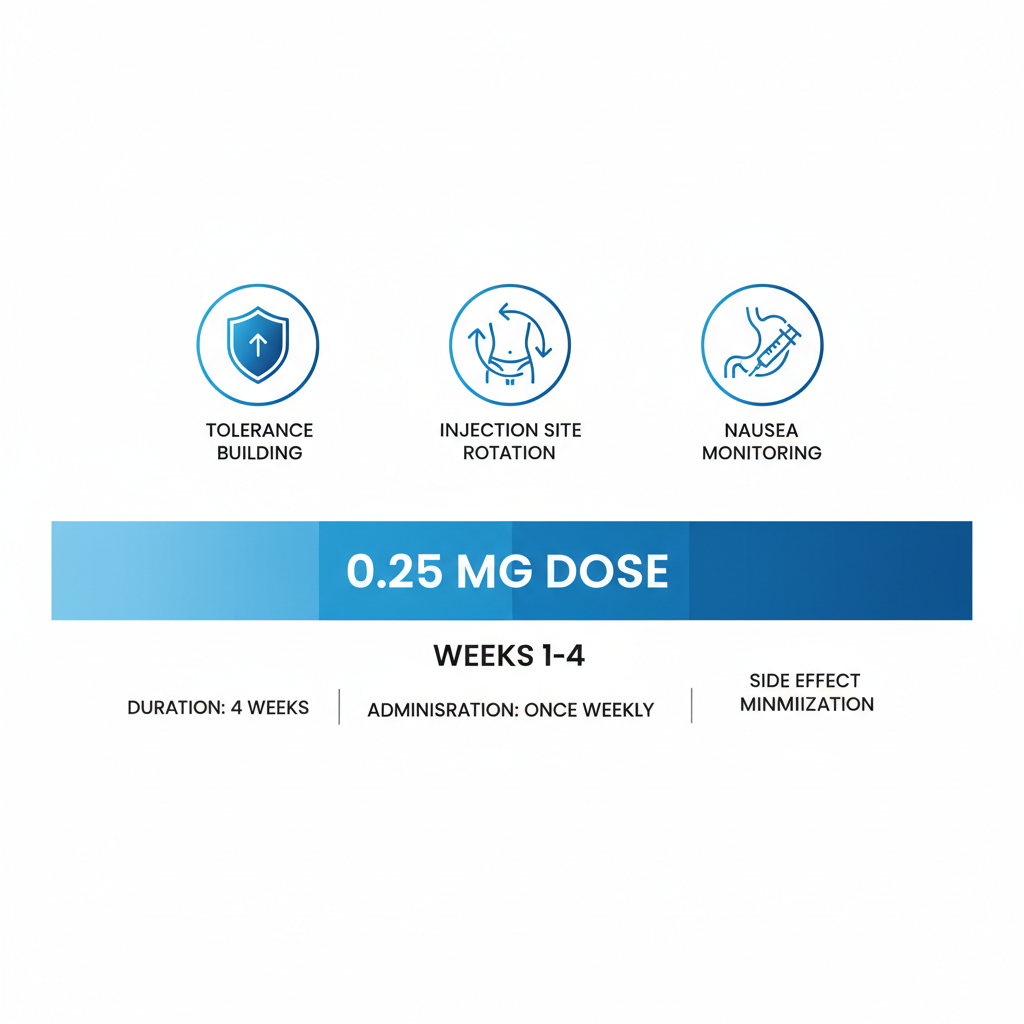
Ozempic starting dose timeline and essentials overview
By mastering these basics, readers gain reassurance in navigating their treatment journey effectively.
Deep Dive into Ozempic Titration
The titration process for Ozempic, a once-weekly semaglutide injection, is crucial for minimizing side effects while achieving effective blood sugar control and weight management. Starting with the ozempic dosing schedule, patients begin at a low dose to allow the body to adjust, gradually increasing as tolerated. This step-up semaglutide dosing approach helps address common concerns like gastrointestinal discomfort, which can sometimes lead to frustration and impact mental well-being during early stages.
Initial Dose Escalation
The ozempic starting dose is 0.25 mg administered subcutaneously once a week, typically for the first four weeks. This initial phase focuses on building tolerance to the medication, allowing the body to adapt to its effects on glucose regulation and appetite suppression. During this time, patients often experience minimal side effects, making it an ideal period to establish a routine.
Explanation forms the core of this stage, as the low dose introduces semaglutide gradually, reducing the risk of nausea or injection site reactions. Details include administering the dose on the same day each week, with or without food, and rotating injection sites like the abdomen, thigh, or upper arm. Clinical data from trials support this progression, showing that 80 percent of patients tolerate the starting dose well.
Tips for success involve tracking any mild symptoms and consulting a healthcare provider if adjustments feel necessary. Always follow professional guidance before changes, as self-adjustment can complicate efficacy. This foundation sets the stage for smoother escalations ahead.
After completing the initial four weeks, many patients transition to the next level if side effects remain manageable. Understanding the ozempic dosing schedule by week helps anticipate this shift.
Intermediate Dose Adjustments
Once tolerance is established, the progressive Ozempic regimen typically escalates to 0.5 mg after week four, with further increases to 1 mg around week eight if blood sugar goals are not fully met. This ozempic dose increase schedule balances efficacy with safety, considering individual factors like baseline A1C levels, weight loss progress, and side effect severity. For those needing more robust control, doses can reach 2 mg, but only under medical supervision.
The rationale for these adjustments lies in optimizing therapeutic outcomes while mitigating risks. Healthline’s dosage guidelines, backed by clinical trials like SUSTAIN, indicate that stepwise increases improve glycemic control by 1-1.5 percent in A1C without overwhelming the digestive system. Frequency remains weekly, with evaluations every four weeks to assess progress.
The following table outlines the Ozempic Dose Increase Timeline, comparing key stages based on standard protocols and trial outcomes.
| Week Range | Dose (mg) | Benefits | Risks/Side Effects |
|---|---|---|---|
| Weeks 1-4 | 0.25 | Tolerance building, initiation of glycemic control | Mild nausea, low GI issues |
| Weeks 5-8 | 0.5 | Better glycemic control, early weight loss | Increased nausea possible, mild GI discomfort |
| Weeks 9-12 | 1.0 | Enhanced A1C reduction, sustained appetite suppression | Higher GI symptoms, potential fatigue |
| Weeks 13+ | 2.0 (if needed) | Maximum efficacy for resistant diabetes | Significant nausea, requires close monitoring |
This timeline, drawn from Healthline dosage data and clinical trial outcomes, highlights how benefits accumulate with each step, though risks may intensify. Personalization is key; for instance, slower progression benefits those with sensitive stomachs, while faster escalations suit patients with urgent needs. Factors like concurrent medications or lifestyle influence these decisions, emphasizing the need for tailored plans.
Building on this structured approach, ongoing assessment ensures the regimen aligns with individual health goals. Visual aids can further clarify the process for better comprehension.
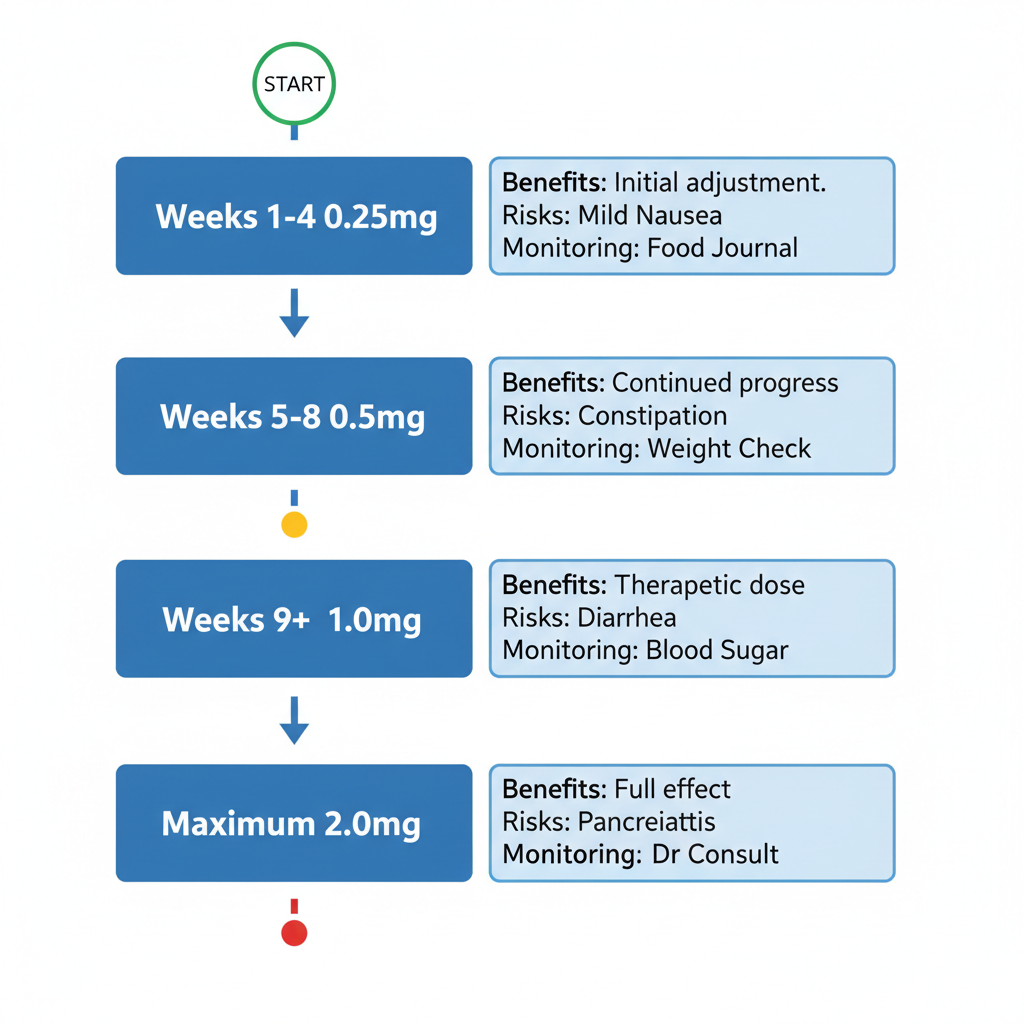
Ozempic dose increase timeline with benefits and risks overview
Such representations underscore the importance of patience during titration, linking back to mental health by alleviating anxiety over unpredictable side effects.
Monitoring During Titration
Effective monitoring during Ozempic titration involves regular tracking of both side effects and efficacy metrics to guide safe progression. Patients should log gastrointestinal symptoms like nausea or diarrhea, which peak during dose increases, using apps or journals for accuracy. Blood glucose levels, HbA1c tests every three months, and weight measurements provide quantifiable efficacy data.
Explanation centers on proactive vigilance, as studies show that 20-30 percent of users experience transient side effects that resolve with time. Details include daily symptom checks post-injection and weekly reviews of glucose logs, with alerts for severe issues like persistent vomiting. Integrating mental health monitoring addresses frustration from slower weight loss or discomfort, recommending support resources if needed.
Practical tips include partnering with a healthcare team for virtual check-ins and adjusting diet to ease GI upset, such as smaller meals. Never increase doses without provider approval to avoid complications. This comprehensive oversight not only enhances outcomes but also empowers informed self-management, paving the way for long-term success in diabetes and weight control.
Practical Ozempic Dosing Strategies
Implementing an effective Ozempic regimen requires thoughtful planning to balance efficacy with tolerability. This section builds on foundational knowledge by providing hands-on guidance for daily management, drawing from evidence-based sources like Mayo Clinic and Drugs.com. Whether starting your journey or adjusting doses, these strategies emphasize safety and integration into everyday routines for sustained wellness.
Weekly Administration Techniques
Mastering the ozempic dosing schedule by week begins with consistent weekly injections, typically on the same day each week to maintain steady semaglutide levels. According to Mayo Clinic guidelines, select a time that fits your lifestyle, such as Sunday mornings, and set reminders via apps like Medisafe or calendar alerts for seamless tracking.
- Prepare the pen: Store Ozempic in the refrigerator until first use, then keep at room temperature. Check the solution for clarity before each dose; discard if cloudy.
- Select injection site: Choose the abdomen, thigh, or upper arm, rotating sites weekly to prevent irritation. Clean the area with an alcohol swab for hygiene.
- Administer the dose: Dial the prescribed amount, such as the ozempic starting dose of 0.25 mg for the initial four weeks. Pinch the skin, insert the needle at a 90-degree angle, and inject slowly over 5-10 seconds. Withdraw gently and dispose of the needle in a sharps container.
For hands-on semaglutide timing, pair injections with a post-meal routine to minimize initial discomfort. If missed, take it within five days; otherwise, skip and resume the next week. This approach, supported by Drugs.com, ensures adherence while accommodating real-life schedules, reducing the risk of errors in your daily Ozempic management plan.
Examples from patient experiences highlight the value of journaling injection times alongside blood sugar logs for better personalization. Over time, this builds confidence in handling the ozempic dose increase schedule every four weeks, preparing for potential escalations.
Managing Side Effects by Dose
Navigating side effects with empathy is key, as they often peak during dose transitions but subside with time. The ozempic starting dose introduces milder issues, while higher levels demand proactive strategies. Mayo Clinic recommends monitoring symptoms closely, consulting providers if persistent, to tailor your experience.
Common challenges include gastrointestinal upset, particularly nausea, which affects up to 20% of users per Drugs.com data. Start slow with the initial 0.25 mg dose to allow adaptation. For escalation phases in the ozempic dose increase schedule, anticipate intensified effects and adjust accordingly.
The following table outlines side effects across doses for practical management:
| Dose (mg) | Common Side Effects | Management Strategies | Frequency |
|---|---|---|---|
| 0.25 | Mild nausea | Hydration, small meals | Low |
| 0.5 | Nausea, diarrhea | Ginger tea, fiber adjustments | Moderate |
| 1.0 | Fatigue, GI upset | Dose pause if severe, rest | Moderate |
This comparison, informed by Mayo Clinic and patient-reported data, shows how effects vary by escalation. For instance, at 0.25 mg, hydration and dividing meals into smaller portions can alleviate nausea effectively, often resolving within the first week. As doses rise to 0.5 mg or 1.0 mg, incorporate over-the-counter aids like antacids if approved, and track severity in a symptom diary.
Personalization is crucial; what works for one may need tweaking for another. If fatigue emerges during increases, prioritize rest and light walks to maintain energy. Drugs.com emphasizes gradual titration to minimize disruptions, fostering resilience. For severe cases, hinting at advanced consultations, discuss with your healthcare team to explore adjustments or supportive therapies.
Checklist for side effect mitigation:
- Log symptoms daily.
- Eat bland foods during peaks.
- Stay hydrated with at least 8 glasses of water.
- Report unrelieved issues promptly.
These steps ensure the ozempic dose increase schedule progresses smoothly, enhancing overall tolerance.
Integrating with Lifestyle
Aligning Ozempic with holistic wellness amplifies benefits, supporting nutrition, fitness, and mental health. Integrate dosing into a balanced routine to optimize outcomes, as both Mayo Clinic and Drugs.com advocate for lifestyle synergy.
Pair the ozempic dosing schedule by week with nutrient-dense meals, focusing on proteins and fibers to curb appetite and ease digestion. For example, start days with smoothies post-injection to complement the ozempic starting dose‘s effects on satiety.
Incorporate gentle exercise, like 30-minute walks, three times weekly, timing them away from injection days if nausea lingers. This not only aids weight management but boosts endorphins, addressing mental wellbeing during adjustments.
Mentally, view dose increases as empowerment milestones; journaling gratitude or using mindfulness apps can reduce anxiety. Wellness support in the US, through community forums or telehealth, provides additional encouragement. By weaving these elements, your daily Ozempic management plan becomes a sustainable path to comprehensive health.
Advanced Ozempic Dosing Considerations
For those progressing beyond initial treatment, the ozempic dosing schedule by week becomes more nuanced, focusing on maintenance phases that balance efficacy with safety. This ozempic dosing schedule supports long-term management of type 2 diabetes and weight loss in chronic conditions. Advanced users often transition from the ozempic starting dose of 0.5 mg to higher levels, following an ozempic dose increase schedule tailored to individual responses. Optimized Ozempic progression ensures sustained wellness outcomes while minimizing side effects.
Maintenance dosing typically ranges from 0.5 mg to 2 mg weekly, administered once per week via subcutaneous injection. The standard maintenance dose of 1 mg offers effective glycemic control for most patients, as supported by Healthline guidelines. For those requiring enhanced weight loss or better blood sugar management, escalation to 2 mg–the maximum recommended dose–may be appropriate after careful evaluation. This max dose, per Healthline data, improves A1C reduction by up to 1.8% in resistant cases but demands close monitoring for gastrointestinal issues or hypoglycemia.
In advanced phases, the weekly frequency remains consistent, integrating seamlessly with chronic condition management plans. Adjustments for special populations are crucial; elderly patients or those with renal impairment may need slower long-term semaglutide scaling to avoid dehydration or kidney strain. Healthline emphasizes starting conservatively in these groups, potentially capping at 1 mg if tolerance is limited.
The following table outlines maintenance dose options, highlighting efficacy and monitoring requirements for informed decision-making:
| Dose (mg) | Efficacy for Weight Loss | Max Use Cases | Monitoring Needs |
|---|---|---|---|
| 1.0 | Moderate | Standard maintenance | Blood sugar checks |
| 2.0 | High | Max for resistant cases | Frequent provider visits |
As illustrated, the 1.0 mg dose suits standard needs with routine checks, while 2.0 mg targets resistant scenarios but elevates risks like nausea or pancreatitis. Always consult a healthcare provider before any dose adjustment to personalize based on lab results and overall health.
Advanced considerations include periodic reassessments every 3-6 months to optimize progression and prevent plateaus. For chronic conditions like obesity or cardiovascular risks, combining with lifestyle interventions enhances outcomes. Caution is advised against self-escalation, as improper use can lead to adverse events; professional guidance ensures safe, effective therapy aligned with wellness goals.
Ozempic Dosing Frequently Asked Questions
Navigating the ozempic dosing schedule by week often sparks common semaglutide queries. This FAQ provides dose FAQ insights on starting, titration, and maintenance for better wellness management.
What is the ozempic starting dose? The ozempic starting dose is typically 0.25 mg injected subcutaneously once weekly for the first four weeks to minimize side effects and allow your body to adjust.
How long do you stay on the ozempic starting dose? Patients usually remain on the starting dose for four weeks, as recommended by healthcare providers, before any ozempic dose increase schedule begins.
What is the ozempic dose increase schedule? After four weeks, the dose increases to 0.5 mg weekly. If needed, it may rise to 1 mg after another month, with a maximum of 2 mg, per your doctor’s guidance.
How often do you take Ozempic? Ozempic is administered once weekly, on the same day each week, regardless of meals, to maintain steady blood levels.
What is the maximum dose of Ozempic? The maximum dose is 2 mg weekly, used for better glycemic control in type 2 diabetes, but only under medical supervision.
What are common side effects during dose increases? Nausea, vomiting, and diarrhea may occur, especially with increases. Mayo Clinic advises starting low and titrating slowly; consult your doctor if persistent.
How do you prepare Ozempic for injection? Store in the fridge, let it reach room temperature before use, clean the site with alcohol, and inject into the abdomen, thigh, or upper arm. Always follow sterile techniques.
These insights reinforce safe practices, but always seek professional advice for personalized dosing.
Mastering Your Ozempic Journey
Embarking on your ozempic dosing schedule by week sets the foundation for effective weight management and blood sugar control. Begin with the ozempic starting dose of 0.25 mg weekly for four weeks to minimize side effects, then follow the ozempic dose increase schedule: 0.5 mg, 1 mg, up to a maximum of 2 mg as tolerated. This complete semaglutide plan ensures gradual adaptation.
Consistency in weekly injections integrates seamlessly with balanced nutrition and exercise, promoting sustained health benefits like improved glycemic control and weight loss, as supported by clinical outcomes from Healthline resources. Your ongoing dose strategy fosters long-term wellness.
Consult your healthcare provider for personalized adjustments and explore WellnessHQ.net for more guides to optimize your journey.
