
Table of Contents
Proteins and Blood Sugar Regulation
Proteins play a crucial role in blood sugar regulation by slowing digestion and promoting satiety without triggering sharp glucose spikes, making them ideal for diabetes management. Incorporating proteins that help lower blood sugar supports steady insulin levels through minimal carbohydrate content and glucagon release for balanced responses.
These high protein foods for diabetics reduce post-meal spikes by up to 20-30%, as shown in studies on fiber-protein combos like those in lentils, while improving insulin sensitivity. Contrary to the myth that all proteins equally aid glucose control, low glycemic protein sources such as eggs, lentils, nuts, and seafood excel by stabilizing levels when they form 15-20% of daily calories. Glucose-stabilizing proteins integrate seamlessly into balanced meals for sustained energy.
Diabetes-friendly protein options preview a lineup of eight top choices, from versatile eggs to nutrient-rich seafood, offering practical ways to enhance blood sugar control.
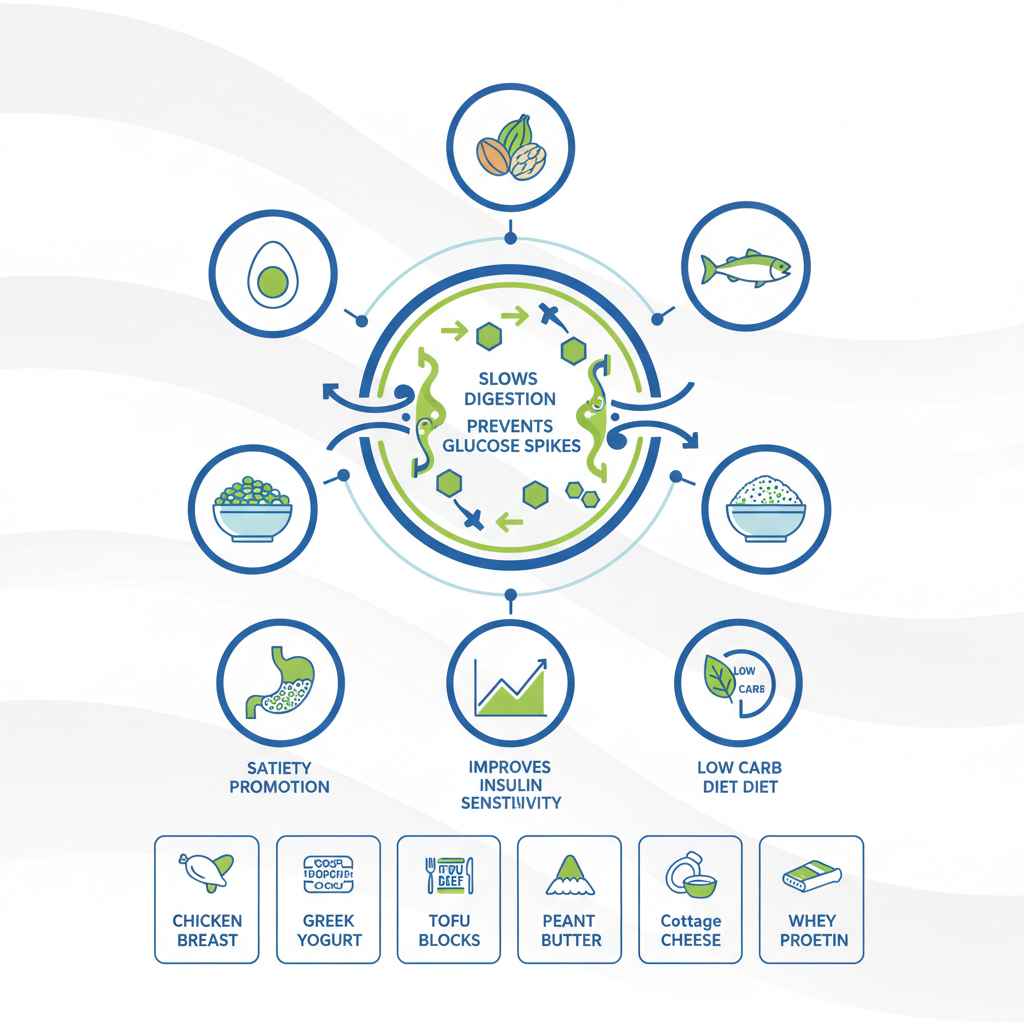
Proteins’ impact on blood sugar control through key foods and benefits
This foundation leads into detailed explorations of these powerhouse foods for effective diabetes management.
1. Eggs for Steady Energy
Eggs emerge as one of the top proteins that help lower blood sugar, delivering steady energy without the spikes that disrupt daily routines. This everyday staple packs complete amino acids and zero carbohydrates, making it a go-to for anyone seeking stable glucose levels. With just one egg providing 6 grams of high-quality protein and essential choline for brain health, they promote prolonged satiety and a minimal insulin response, ideal for diabetic meal planning.
The science behind blood glucose-friendly eggs lies in their ability to slow digestion. When consumed, the protein in eggs blunts the absorption of carbohydrates from other foods, preventing rapid glucose release into the bloodstream. Studies, including those referenced in Healthline’s guide on foods to lower blood sugar, show that starting the day with an egg-based breakfast can reduce post-meal glucose by up to 25% and lower fasting levels over time. This makes eggs a low-impact protein choice for Protein for Blood Sugar Control, especially as high protein foods for diabetics aiming to maintain even energy.
For a practical high protein breakfast for diabetics, try a veggie-packed omelet with 2-3 eggs, spinach, and tomatoes–no added sugars to keep it low-glycemic. Boiled or scrambled, eggs fit seamlessly into meals, and pairing them with nuts adds complementary crunch for balanced nutrition.
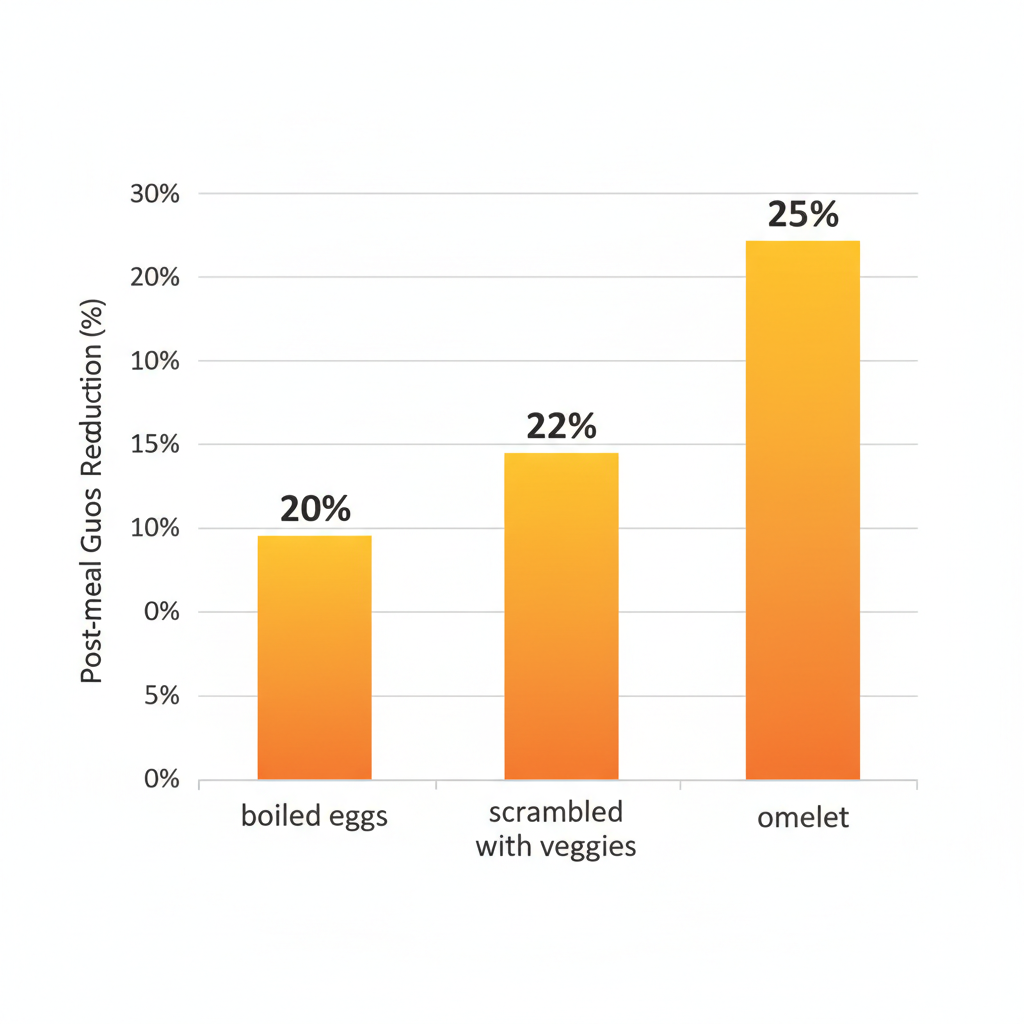
Visualization of eggs’ role in stabilizing blood sugar through meal variations
2. Lentils for Fiber Synergy
Lentils stand out as an affordable, plant-based powerhouse among high protein foods for diabetics, offering a budget-friendly way to boost nutrition without breaking the bank. At just pennies per serving, these versatile legumes deliver 18 grams of protein per cooked cup, making them ideal for vegetarians and vegans managing diabetes. Their combination of protein and soluble fiber creates a synergy that slows carbohydrate absorption, helping stabilize blood sugar levels effectively.
This fiber-rich diabetic option works by binding to glucose in the gut, preventing rapid spikes after meals, while the protein promotes satiety and steady energy release, making them an effective protein for blood sugar control. Research shows regular lentil consumption can reduce HbA1c levels, a key marker for long-term glucose control, thanks to their 25% protein composition that enhances overall digestion. As plant proteins for glucose balance, lentils support gut health through this binding mechanism, and a simple fermentation step during soaking can further improve nutrient absorption. Start with a half-cup serving paired with low-GI vegetables like spinach for optimal results.
Incorporate lentils into soups or salads for easy meals; for instance, a quick lentil soup recipe involves simmering them with onions and carrots for 30 minutes. Rinse thoroughly before cooking to minimize gas, ensuring comfortable digestion. This shift to plant options builds on previous animal sources, setting the stage for seafood’s omega-3 benefits in the next section.
3. Nuts for Snack Stability
Building on the plant-based benefits of lentils, nuts offer portable power for diabetics seeking sustained blood sugar control on the go. These crunchy snacks, like almonds and walnuts, serve as low glycemic protein sources that deliver steady energy without sharp spikes, making them ideal for busy schedules.
Nuts provide about 6 grams of protein per ounce, combined with healthy fats that slow carbohydrate absorption and reduce insulin resistance. Magnesium-rich proteins in nuts, such as the insulin-sensitizing effects from almonds, play a key role in stabilizing glucose levels. Studies on walnuts, as noted in health resources, show they can lower post-meal glucose responses by up to 15%, acting as effective nut-based glucose regulators. Opt for unsalted varieties to avoid excess sodium, and stick to a 1-ounce portion to harness these benefits.
For a simple snack, mix nuts with plain yogurt to enhance creaminess and protein content, transitioning smoothly to options like Greek yogurt. Create a trail mix without dried fruits to keep carbs low, but watch calories–nuts pack about 160 per ounce, so moderation ensures enjoyment without overindulgence.
4. Greek Yogurt for Probiotic Aid
Transitioning from the satisfying crunch of nuts, Greek yogurt offers a smooth, creamy texture that delights the palate while supporting blood sugar management. This fermented delight stands out among high protein foods for diabetics, delivering around 20 grams of protein per cup–double the amount found in regular yogurt, as noted in health resources on nearly pure protein options.
Greek yogurt’s probiotics play a key role in fostering a healthy gut microbiome, which enhances insulin sensitivity and helps modulate glucose levels. These beneficial bacteria exert anti-inflammatory effects that may reduce diabetes risk, according to studies linking yogurt consumption to better blood sugar control. As a low glycemic protein source, plain varieties keep added sugars minimal, making them ideal fermented glucose stabilizers for those watching their intake. For diabetics aiming for 15 to 30 grams of protein per meal, one cup provides a substantial serving without spiking blood sugar. Note that Greek yogurt is also lower in lactose, easing digestion for many with sensitivities.
For a simple breakfast or dessert, layer one cup of plain Greek yogurt with fresh berries to create a probiotic-rich parfait that boosts yogurt for diabetic balance. Always check labels for low-sugar options to maximize benefits. If seeking additional support, explore Best Supplements for Blood Sugar Levels to complement dietary choices like this.
5. Chicken Breast for Versatility
Chicken breast stands out as an everyday staple among high protein foods for diabetics, offering a versatile option that supports muscle maintenance without impacting blood glucose levels. This lean poultry provides essential amino acids that play a key role in insulin function and overall energy metabolism, making it superior to some dairy proteins like casein, which digest more slowly and may cause minor fluctuations compared to chicken’s rapid yet stable absorption.
As one of the top low glycemic protein sources, skinless chicken breast delivers about 53 grams of high-bioavailability protein per typical serving, packed with B-vitamins that aid in converting food into usable energy without raising blood sugar. Studies on lean meats highlight poultry’s neutral glucose effect, ensuring steady insulin response through its carb-free profile and quick digestion–unlike whey protein, which can sometimes provoke a faster but potentially spikier release. For those seeking alternatives to protein supplements that don’t spike blood sugar, this natural poultry glucose helper promotes satiety and sustained energy, ideal for diabetic meal planning.
Opt for 4-6 ounce portions of skinless breast to maximize benefits, grilling or baking with sugar-free marinades like herbs and lemon for flavor. A quick stir-fry with vegetables creates a diverse, low-carb main dish that keeps meals exciting while supporting stable sugar control.
6. Salmon for Anti-Inflammatory
Transitioning from lean poultry options like chicken, salmon offers a flavorful seafood alternative rich in proteins that help lower blood sugar. This fatty fish stands out among high protein foods for diabetics, delivering heart-healthy benefits through its potent omega-3 content. With a savory taste that appeals to many palates, salmon supports anti-inflammatory diets essential for managing diabetes.
Salmon’s power lies in its EPA and DHA omega-3 fatty acids, which reduce chronic inflammation linked to insulin resistance. A typical 4-ounce fillet provides about 25 grams of high-quality protein, acting as one of the low glycemic protein sources that stabilize blood glucose. Clinical trials on fish oil supplementation demonstrate improved insulin sensitivity and better glucose control, making seafood glucose managers like salmon ideal for diabetic meal plans. Opt for wild-caught varieties for higher purity and sustainability, as they often contain fewer contaminants than farmed options.
For optimal benefits, bake or poach salmon with fresh herbs to preserve its nutrients without added fats. Aim for two 4-ounce servings weekly, while monitoring mercury levels in larger fish. Compared to protein supplements that dont spike blood sugar, whole salmon provides synergistic nutrients for long-term wellness. This fish bridges animal and upcoming plant proteins like tofu, enhancing dietary variety.
7. Tofu for Versatile Protein
Following up on fish as a lean protein option, tofu emerges as an excellent vegan alternative for those managing blood sugar levels. This soy-based food serves as a versatile base in diabetic meal planning, offering adaptability in various dishes while supporting stable glucose control. With its neutral flavor and firm texture, tofu fits seamlessly into plant-forward diets.
Tofu stands out among low glycemic protein sources due to soy’s glycemic index of zero, meaning it causes minimal blood sugar spikes. Each 100 grams provides about 10 grams of high-quality protein, making it a staple for high protein foods for diabetics. Isoflavones in tofu enhance beta-cell function in the pancreas, potentially improving insulin sensitivity. Studies, including those on HbA1c levels, show regular tofu consumption can lower long-term blood sugar markers. While some raise GMO concerns with soy products, opting for organic varieties addresses this. Easy preparation methods like pressing firm tofu remove excess water, enhancing texture for better meals.
For an ideal low glycemic high protein meal, try a 150-gram portion of tofu in a scramble with vegetables or a stir-fry with greens. Season with herbs and spices to boost flavor without adding sugars, ensuring a satisfying, blood-sugar-friendly option that aligns with vegan diabetic proteins needs.
8. Quinoa for Grain-Like Boost
Quinoa stands out among high protein foods for diabetics as a nutty, versatile pseudo-grain that delivers a substantial protein punch without the blood sugar spikes associated with traditional grains. This ancient seed, often mistaken for a cereal, offers a complete plant protein profile ideal for those managing glucose levels, serving as an excellent swap for rice in everyday meals. Its global appeal spans from Andean origins to modern kitchens worldwide, providing a gluten-free option that supports steady energy release.
Packing 14 grams of protein per cooked cup, quinoa contains all nine essential amino acids, making it one of the few complete plant proteins for blood sugar control. Rich in magnesium, it aids insulin function and helps regulate glucose absorption, while its high fiber content slows carbohydrate digestion for a low glycemic impact. Unlike some proteins that may not inherently lower glycemic index, quinoa’s combination of aminos and fiber directly contributes to better blood sugar management, as reinforced by its role in stabilizing post-meal responses. Always rinse quinoa before cooking to remove bitter saponins, enhancing its digestibility and nutritional purity, much like sources highlighting its amino completeness.
For practical use, start with a half-cup cooked portion in salads, pilafs, or as a base for quinoa bowls topped with veggies and lean proteins–try mixing with chickpeas and greens for a balanced, diabetes-friendly lunch. This quinoa blood sugar aid caps our list of low glycemic protein sources, synthesizing how targeted nutrition can transform daily carb choices into tools for sustained wellness.
Integrating Proteins for Optimal Control
Incorporating proteins that help lower blood sugar into your daily routine can transform glucose management for diabetics. From nutrient-dense eggs and Greek yogurt to versatile quinoa, these low glycemic protein sources stabilize blood sugar by slowing digestion and promoting satiety. Recapping our top choices–eggs, cottage cheese, fish, poultry, tofu, lentils, peanuts, whey protein, and quinoa–highlights their diverse mechanisms, from fiber synergy in plant options to complete amino acids in animal sources, all fostering steady energy levels.
Aim for 1.2-1.6 grams of protein per kilogram of body weight daily to support diabetic protein strategies without over-reliance, which could strain kidneys. Balance your plate with glucose-optimizing foods alongside veggies and healthy fats for ideal low glycemic high protein meals, like grilled salmon with quinoa salad. Consult a healthcare professional to tailor intake, and experiment with recipes to keep meals enjoyable. As noted in guides on nearly pure protein foods, variety enhances overall benefits like sustained muscle health and weight control.
Embrace these empowering dietary shifts for lasting wellness. Explore more wellness guides on nutrition at WellnessHQ.net to refine your approach and thrive.
