
Table of Contents
- The Foundations of Wellbeing Nutrition
- Defining Wellbeing Nutrition and Its Core Principles
- Key Benefits of Incorporating Wellbeing Nutrition
- How Wellbeing Nutrition Supports Holistic Health
- Practical Best Practices for Wellbeing Nutrition
- Embracing Wellbeing Nutrition for Lasting Vitality
The Foundations of Wellbeing Nutrition
In today’s fast-paced world, we often juggle demanding schedules that leave little room for thoughtful eating. Wellbeing nutrition emerges as a beacon, guiding us toward intentional food choices that nourish our body, mind, and spirit. At WellnessHQ.net, we believe this holistic approach fosters long-term vitality, moving beyond restrictive diets to embrace sustainable, enjoyable habits that enhance everyday life.
Wellbeing nutrition stands apart from traditional dieting by prioritizing enjoyment and balance, focusing on diverse whole foods like fruits, vegetables, and lean proteins to build resilience against stress and illness. It aligns with evidence-based practices from sources like the CDC, emphasizing portion control and variety to ensure balanced macronutrients and micronutrients. This nutrition and wellness connection supports emotional balance and mental clarity, making it accessible for beginners—think busy professionals swapping snacks for fresh fruits or adding colorful veggies to meals.
As we explore nutritional wellness through this guide, we’ll delve into its core principles, uncover benefits like reduced risk of chronic diseases as highlighted by CDC data, and reveal how it works in daily routines. From understanding foundational mechanisms to practical tips, including insights from the Mediterranean diet FAQ, this roadmap empowers mindful dietary choices. We invite you to embark on this journey toward transformative health—small steps today lead to profound wellbeing tomorrow.
Defining Wellbeing Nutrition and Its Core Principles
Wellbeing nutrition forms the foundation of a vibrant, balanced life, integrating thoughtful eating habits that nourish both body and mind. We see how this approach goes beyond quick fixes, focusing on sustainable choices that enhance daily vitality.
What Wellbeing Nutrition Really Means
Wellbeing nutrition truly means embracing a holistic way of eating that prioritizes whole, nutrient-dense foods to support long-term health and harmony. Unlike fad diets that promise rapid results but often lead to burnout, it emphasizes sustainable eating for vitality, encouraging intuitive choices that align with our body’s natural needs. We often overlook how Mediterranean diet guide principles, like incorporating olive oil and fresh produce, exemplify this by promoting enjoyment alongside nutrition.
This approach distinguishes itself by fostering a positive relationship with food, viewing meals as fuel for physical energy and mental clarity rather than restrictions. For instance, opting for colorful vegetables provides essential vitamins without the yo-yo effects of trendy plans. Research supports that such patterns reduce chronic disease risk, as seen in studies on balanced, plant-forward diets that sustain energy levels over time.
As we explore further, understanding this definition sets the stage for seeing its broader impacts on our daily wellness.
The Connection Between Nutrition and Overall Wellness
Nutrition and wellness are deeply intertwined, where our dietary choices directly shape physical strength and emotional balance. We know that nutrient-rich foods combat inflammation through antioxidants in berries and greens, boosting immune function and vitality. Meanwhile, omega-3 fatty acids from fish or nuts support brain health, illustrating how nutrition influences everything from heart health to stress resilience.
Evidence from nutritional psychiatry highlights this link, showing that diets high in processed foods can exacerbate anxiety, while fiber-rich options like whole grains nurture the gut-brain axis for better mood regulation. For example, a study noted improved mental clarity among those following anti-inflammatory eating patterns, underscoring the science behind these connections without guaranteeing specific outcomes.
This interplay reminds us why mindful eating matters, paving the way to examine the practical building blocks of nutritional wellness.
Key Components of Nutritional Wellness
Nutritional wellness encompasses balanced macronutrients, proper hydration, and mindful eating practices that together create a foundation for thriving. We focus on macros—proteins for muscle repair, carbs for sustained energy, and fats for hormone balance—ensuring variety in every meal to meet our unique needs. Hydration, often underrated, supports digestion and cognitive function, with simple additions like infused water making it enjoyable.
Drawing from the Mediterranean Diet Guide, a balanced plate might feature half vegetables, a quarter lean protein like grilled fish, and whole grains for fiber, promoting personalization and moderation. Mindful eating encourages savoring meals slowly, which aids portion control and satisfaction. Key principles include:
- Variety: Rotating foods to cover nutrient gaps, such as leafy greens for vitamin K.
- Moderation: Enjoying treats without excess to maintain equilibrium.
- Personalization: Tailoring intake to lifestyle, like more plant-based options for vegetarians.
These elements hint at the enhanced energy and well-being we’ll discuss next, empowering sustainable habits for life.
Key Benefits of Incorporating Wellbeing Nutrition
We all seek ways to feel our best every day, and incorporating wellbeing nutrition stands out as a powerful approach. This mindful focus on nutrient-dense foods delivers primary benefits like boosted energy, sharper focus, and lasting vitality, aligning with our goal at WellnessHQ.net to empower and inspire individuals to lead healthier lives. By prioritizing whole foods, we unlock a cascade of advantages that enhance our daily routines without drastic changes.
Physical Health Advantages
We experience remarkable physical health advantages when we embrace nutrition and wellness through balanced, nutrient-rich diets. These perks include sustained energy from complex carbohydrates like oats and sweet potatoes, stronger immunity via antioxidants in berries and leafy greens, and support for disease prevention by reducing inflammation with omega-3s from fish. Fiber-rich foods promote better digestion and heart health, helping us stay active and resilient.
According to the CDC’s insights on healthy eating benefits, adults who follow such patterns lower their risk of chronic diseases by up to 30%, backed by studies showing decreased hypertension and diabetes incidence. For instance, snacking on nuts mid-afternoon keeps our blood sugar stable, preventing energy crashes.
These dietary health perks make it easier for us to tackle workouts or busy days, fostering a stronger, more vibrant body.
- Increased daily energy levels from whole grains.
- Enhanced immune function with vitamin C sources.
- Improved joint health through anti-inflammatory nutrients.
- Better gut health via probiotic-rich yogurts.
- Reduced risk of nutrient deficiencies.
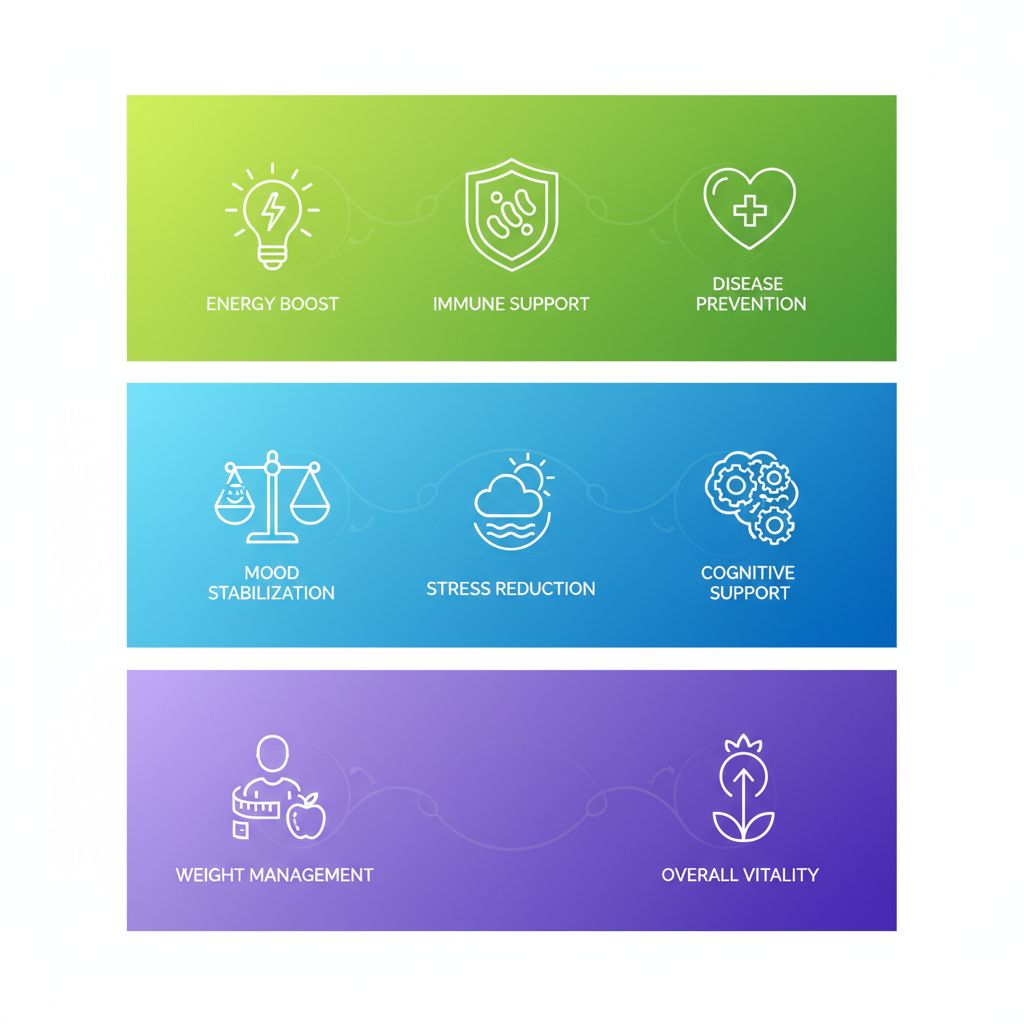
Visual guide to wellbeing nutrition benefits: physical, mental, and long-term impacts
Mental and Emotional Gains
Our mental and emotional gains from wellbeing nutrition are profound, as balanced intake stabilizes mood and eases daily stresses. B-vitamins in eggs and spinach support neurotransmitter production, helping reduce anxiety, while stable blood sugar from fiber prevents mood swings. Foods rich in tryptophan, like turkey or bananas, boost serotonin for emotional balance, and omega-3s aid cognitive clarity, sharpening our focus during challenging tasks.
The NIDDK emphasizes that healthy eating contributes to feeling great overall, with tips on incorporating fruits and veggies to manage stress responses effectively. For example, starting our day with a smoothie packed with greens can lift our spirits and sustain concentration throughout meetings.
These nutrient-driven vitality boosts remind us that what we eat directly influences how we feel, encouraging us to choose nourishing options for calmer, more joyful days.
- Mood stabilization through serotonin-enhancing foods.
- Stress reduction with magnesium-rich nuts.
- Improved cognitive support from brain-boosting berries.
- Better emotional resilience via consistent nutrient intake.
Long-Term Wellness Impacts
Nutritional wellness shapes our long-term wellness impacts, promoting sustainable weight management and enduring vitality. Mindful portions of whole foods help maintain healthy weights without restrictive diets, while antioxidants combat oxidative stress for youthful energy. Balanced nutrition supports bone density with calcium sources like dairy and greens, and fiber aids ongoing digestion for consistent comfort.
The CDC highlights how healthy eating benefits cut chronic disease risks by promoting lifelong habits that enhance cardiovascular health and metabolic function. Drawing from NIDDK guidance, integrating veggies and lean proteins fosters a feel-great lifestyle that sustains us through the years.
We reap these benefits by weaving nutrient-focused choices into our routines, ensuring vitality as we age gracefully.
- Sustainable weight management with portion awareness.
- Enhanced overall vitality from diverse nutrients.
- Long-term disease prevention via anti-inflammatory diets.
- Improved sleep quality from balanced meals.
- Greater physical resilience in later life.
How Wellbeing Nutrition Supports Holistic Health
At WellnessHQ.net, we believe in empowering and inspiring individuals to lead healthier lives through informed choices. Wellbeing nutrition works by transforming everyday food into powerful allies for your body’s systems. It goes beyond basic sustenance, acting like high-quality fuel for an engine that runs smoother and more efficiently. By understanding these food-health pathways, we can make decisions that support long-term vitality.
The Science Behind Nutrient Absorption
We start with the basics of how nutrients enter our system. Digestion begins in the mouth and stomach, where enzymes break down complex foods into absorbable forms. As food moves to the intestines, the microbiome—a community of beneficial bacteria—plays a key role in extracting vitamins and minerals. This process underpins wellbeing nutrition, ensuring that antioxidants from fruits and vegetables combat oxidative stress to protect cells from damage.
Scientific facts highlight the efficiency:
- Enzymes like amylase and protease initiate breakdown, converting carbs and proteins into simpler molecules.
- The small intestine’s villi increase surface area for uptake, absorbing up to 90% of nutrients per meal.
- Gut bacteria ferment fiber, producing short-chain fatty acids that nourish intestinal cells.
For example, timing meals evenly throughout the day aids steady absorption, preventing energy dips. We can enhance this by choosing whole foods over processed ones, boosting bioavailability. Simple swaps like adding berries for antioxidants make a real difference in daily nutrient uptake.
Impact on Body Systems
Nutrition influences multiple body systems, creating interconnected benefits. In the cardiovascular system, omega-3 fatty acids from fish and nuts reduce inflammation, supporting heart health as noted in nutritional psychiatry research. The digestive system thrives on fiber-rich diets that promote regular motility and a balanced microbiome, preventing issues like bloating.
For the nervous system, dietary choices provide precursors for neurotransmitters. Foods high in tryptophan, such as turkey and bananas, aid serotonin production, linking nutrition and wellness to mood stability. The nutritional psychiatry field emphasizes how omega-3s bolster brain function, with studies showing improved cognitive performance from consistent intake.
Drawing from CDC healthy eating tips, we recommend balanced plates with half fruits and vegetables to sustain these systems. Plant-based emphasis helps here, as it delivers anti-inflammatory compounds that protect against oxidative damage across organs. Gradual improvements, like incorporating leafy greens, yield noticeable enhancements in energy and resilience.
Integrating Nutrition with Lifestyle
To amplify results, we integrate nutrition with daily habits like exercise and sleep. Pairing a nutrient-dense meal with physical activity enhances circulation, allowing better oxygen delivery to muscles and brain. Hydration alongside meals supports digestion, ensuring nutrients reach where they’re needed most.
Sleep acts as a recovery phase, where nutritional wellness shines—magnesium-rich foods like spinach promote restful nights, creating a cycle of rejuvenation. The CDC advises consistent routines, such as eating balanced dinners earlier, to align with circadian rhythms for optimal absorption.
We can improve nutritional wellness through diet by starting small: track one meal a day, emphasizing whole grains and proteins. This synergy turns isolated efforts into holistic gains, answering how to improve wellbeing nutrition with practical steps. Remember, the content on WellnessHQ.net is for informational purposes only—consult a healthcare provider for personalized advice.
By weaving these elements together, we foster lasting health pathways that feel natural and sustainable.
Practical Best Practices for Wellbeing Nutrition
At WellnessHQ.net, we empower and inspire individuals to lead healthier lives through practical dietary wellness. Building on the principles of balanced nutrition, this section provides actionable steps to integrate wellbeing nutrition into your routine, making everyday healthy eating sustainable and enjoyable without any guarantees of specific results. Remember, the content on WellnessHQ.net is provided for informational and educational purposes only and is not intended as a substitute for professional medical advice, diagnosis, or treatment. Always consult with a qualified healthcare provider before making changes to your health routine.
Beginner Tips and Simple Swaps
We recommend starting your journey into wellbeing nutrition with simple, approachable changes that build confidence over time. For novices, focus on easy additions like incorporating more vegetables into meals, as suggested by the CDC’s healthy eating tips. Here are some beginner-friendly numbered tips (1) Aim for a colorful plate by adding at least three different vegetables to each meal, such as spinach, carrots, and bell peppers, to boost vitamins effortlessly. (2) Swap refined grains for whole grains, like choosing brown rice instead of white, to increase fiber intake without overhauling your pantry. (3) Include a handful of berries in your breakfast yogurt for natural sweetness and antioxidants, keeping it fun and low-effort.
To implement these, try preparing a weekly grocery list with staples like oats, apples, and broccoli—stock up on Sunday for quick weekday assemblies. This approach takes about 30 minutes of planning and helps you avoid last-minute unhealthy choices.
These swaps enhance nutrient absorption and provide steady energy throughout the day, setting a strong foundation for long-term health.
Daily Habits and Food Choices
Consistency is key to nutrition and wellness, so we find these daily habits transformative for maintaining steady progress. Drawing from established routines, prioritize habits that fit seamlessly into busy schedules. Numbered recommendations include: (1) Practice mindful chewing by taking 20 bites per mouthful during meals to aid digestion and promote satisfaction with smaller portions. (2) Stay hydrated with at least eight glasses of water daily, infusing it with lemon for flavor if plain water feels boring. (3) Opt for nutrient-dense snacks like a mix of nuts and seeds mid-afternoon to curb hunger and support sustained focus.
For real-world application, we suggest meal prepping on weekends: chop vegetables, portion proteins like grilled chicken, and assemble salads in jars for grab-and-go lunches. This routine, inspired by Mediterranean Diet principles, ensures balanced plates with half veggies, a quarter protein, and a quarter grains, as outlined in comprehensive guides.
Adopting these habits fosters better digestion and mood stability, aligning with practical dietary wellness for everyday life.
Strategies for Weight Management and Holistic Wellness
We encourage balanced strategies for nutritional wellness that support weight management and overall health without promising specific outcomes. Focus on holistic approaches like portion control and diverse food selections. Key tips: (1) Use smaller plates to naturally manage portions while filling them with seasonal produce for variety and freshness. (2) Incorporate comforting foods like herbal teas or dark chocolate in moderation to nurture mental wellness alongside physical goals. (3) Choose whole foods such as fatty fish and legumes twice weekly to promote heart health and satiety.
In practice, track your intake with a simple journal app, aiming for calorie balance through activities like walking after meals—pair this with family dinners featuring shared platters of greens and grains for social support.
These methods contribute to improved vitality and emotional balance, enhancing your total wellness journey.
Embracing Wellbeing Nutrition for Lasting Vitality
We hope this guide has illuminated the path to embracing wellbeing nutrition as a cornerstone of your daily life. By focusing on whole foods, balanced meals, and mindful choices, you’ve discovered how simple shifts can foster lasting vitality without overwhelming complexity.
In recapping the essentials, wellbeing nutrition emphasizes nutrient-dense options that support nutrition and wellness across body and mind. From incorporating colorful vegetables and lean proteins to staying hydrated, these practices build nutritional wellness that beginners can adopt easily. Drawing from our Mediterranean Diet FAQ, common questions like ‘How do I start sustainably?’ highlight the power of gradual changes, revealing benefits such as sustained energy and better mood regulation.
What motivates us most is the synergy between mental and physical health through these habits. Sustainable changes over perfection empower you to cultivate lifelong healthy habits, turning meals into opportunities for integrated wellness eating. Imagine feeling more vibrant with each empowered choice, knowing small steps lead to profound, long-term potential.
For personalized guidance, explore our health coaching FAQ or related guides on WellnessHQ.net, your premier source for health and beauty information. We invite you to dive deeper and continue your wellness journey with us.
The content on WellnessHQ.net is provided for informational and educational purposes only and is not intended as a substitute for professional medical advice, diagnosis, or treatment. Always consult with a qualified healthcare provider before making changes to your health routine.
Resources
- Explore Mediterranean Diet FAQs for Allergies and Weight Loss
- Discover Health Coaching FAQs and Wellness Benefits
- Adopt Ultimate Mediterranean Diet Guide for Longevity
- Understand Intestinal Methanogen Overgrowth Diagnosis and Treatments
- Master Water-Only Fasting Guide with Benefits and Risks
- Unlock Single Cell Sequencing Insights in Biomedical Research
- Guide to Ozempic Usage for Diabetes and Weight Management
- Apply Healthy Eating Tips to Boost Daily Nutrition
- Explore Nutritional Psychiatry for Brain Health and Mood
- Discover Healthy Eating Benefits for Adult Longevity
- Implement Healthy Lifestyle Tips for Chronic Disease Prevention