Table of Contents
- Discovering the Mediterranean Diet
- Core Principles of the Mediterranean Diet
- Exploring the Science Behind the Mediterranean Diet
- Building Your Mediterranean Meal Plan
- Advanced Strategies for Mediterranean Success
- Frequently Asked Questions About the Mediterranean Diet
- Embracing the Mediterranean Lifestyle
Discovering the Mediterranean Diet
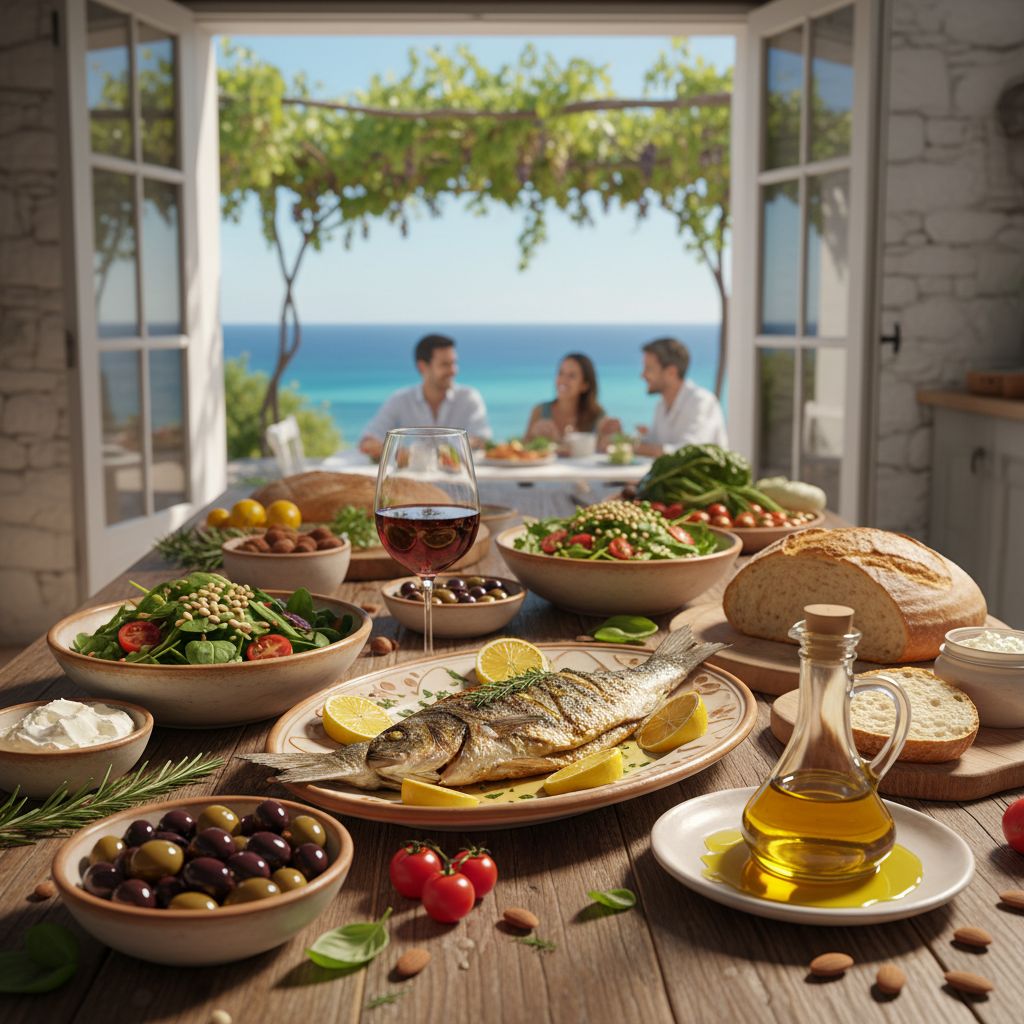
Imagine savoring fresh olives, crisp vegetables, and grilled fish under the sun-kissed skies of the Mediterranean. We believe the mediterranean diet captures this essence, offering a heart-healthy Mediterranean lifestyle that nourishes both body and soul. As your premier source for health and beauty information, WellnessHQ.net empowers and inspires individuals to lead healthier lives through timeless eating patterns like this one. Its broad appeal lies in promoting sustainable wellness without rigid rules.
The Mediterranean eating pattern emerged from mid-20th-century studies observing remarkable longevity among residents of Greece and Italy. Researchers noted how daily meals centered on whole foods fostered vitality and reduced chronic disease risks. At its core, this lifestyle prioritizes abundant fruits, vegetables, whole grains, legumes, nuts, and olive oil as the healthy fat of choice. Fish and seafood feature prominently, alongside moderate poultry, dairy like yogurt and cheese, and an occasional glass of red wine. Red meat and sweets remain limited, creating balance. Endorsed by organizations like the American Heart Association, it stands as a flexible approach to nutrition. For deeper insight, explore mediterranean diet core principles, which outline the food pyramid structure emphasizing plant-based abundance.
In the pages ahead, we’ll delve into the fundamentals, share practical mediterranean diet recipes, and outline a simple mediterranean diet meal plan to get you started. Whether aiming for weight management or overall vitality, this guide equips you to embrace these principles for lasting health gains.
Core Principles of the Mediterranean Diet
We’ll dive into the mediterranean diet core principles, a time-tested approach to eating that emphasizes whole, fresh foods inspired by the traditional cuisines of countries bordering the Mediterranean Sea. This way of life isn’t just about food; it’s a holistic pattern that promotes balance, enjoyment, and long-term health. By focusing on plant-based meals, olive oil as a staple fat, and moderate portions, we can adopt this sustainable style to nourish our bodies and minds. Originating from regions like Greece and Italy, the Mediterranean diet highlights seasonal produce and communal dining, making it adaptable for modern routines.
At the heart of this eating pattern lies the food pyramid, which visually guides daily choices with olive oil at its base, symbolizing its role as the primary fat source. Unlike typical pyramids, this one underscores healthy fats over carbohydrates as foundational. Daily intake includes abundant fruits and vegetables for their vibrant nutrients, whole grains and legumes for sustained energy, and a drizzle of extra virgin olive oil in cooking and dressings. Fish and seafood feature several times a week, providing omega-3s, while moderate amounts of dairy like yogurt and wine with meals add variety. Red meat and sweets take a backseat, reserved for occasional enjoyment to keep the focus on unprocessed options.
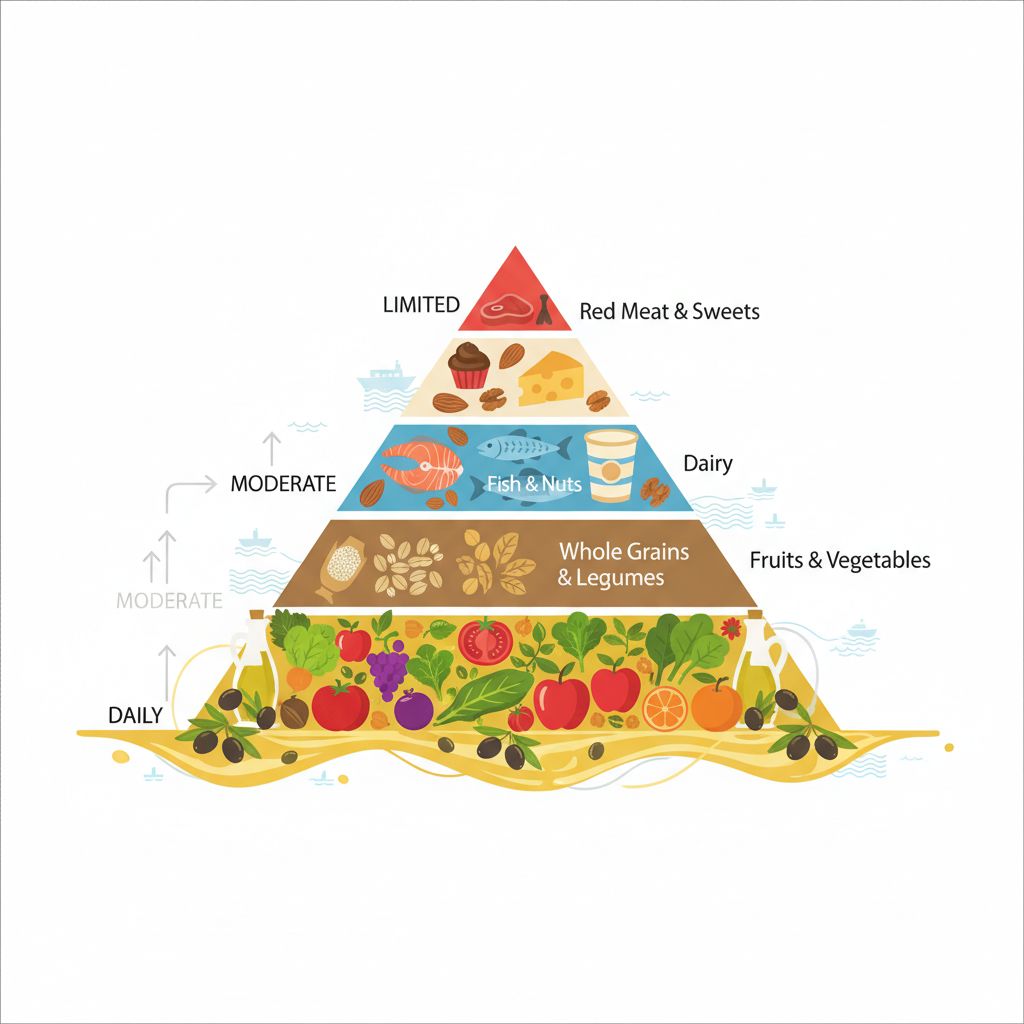
Visual guide to core principles of the Mediterranean diet food pyramid
The pyramid structure plays a crucial role in shaping our daily eating habits, offering a flexible blueprint rather than rigid rules. It encourages us to build meals around vegetables and fruits, layering in grains and proteins for completeness. This approach fosters mindful eating, where we savor flavors and listen to hunger cues, promoting satisfaction without overindulgence. For those creating a mediterranean diet meal plan, starting with this framework ensures balanced plates that align with our busy schedules.
| Food Group | Frequency | Examples | Wellness Focus |
|---|---|---|---|
| Fruits & Vegetables | Daily | Apples, tomatoes, leafy greens | Nutrient-rich, antioxidant-packed |
| Whole Grains & Legumes | Daily | Quinoa, chickpeas, barley | Sustained energy, plant protein |
| Healthy Fats (Olive Oil) | Daily | Extra virgin olive oil | Heart-healthy monounsaturated fats |
| Fish & Seafood | Several times weekly | Salmon, sardines | Omega-3s for cardiovascular support |
| Dairy & Nuts | Moderate | Yogurt, almonds | Calcium and healthy snacks |
| Red Meat & Sweets | Limited | Occasional lean cuts, dark chocolate | Minimize processed options |
This table illustrates the balanced intake central to Mediterranean-style eating, where frequency guides variety to prevent nutrient gaps. According to Mayo Clinic’s pyramid visualization, adhering to these guidelines can enhance longevity, with studies showing reduced risks for heart disease among followers. We find this structure supports sustainable wellness by prioritizing enjoyable, whole foods that fit lifelong habits, backed by evidence from traditional Mediterranean nutrition research on improved vitality and weight management.
Such principles resonate deeply in cultural contexts, where shared family meals around fresh ingredients build connections and mindfulness. In Mediterranean communities, dining together isn’t rushed; it’s a ritual that enhances emotional well-being alongside physical health. Adapting this for the US, we can swap exotic items for local finds like berries for seasonal fruits or canned sardines from grocery stores. WellnessHQ’s guide highlights how these tweaks make traditional Mediterranean nutrition accessible, perhaps incorporating easy mediterranean diet recipes like grilled fish with herb salads for weeknights.
As we embrace these foundations, the benefits become evident, from bolstered heart health through olive oil’s fats to better digestion via fiber-rich plants. Mayo Clinic notes proven gains in longevity and disease prevention, empowering us to start small. Whether tweaking our plates or exploring deeper, this diet invites a joyful path to wellness.
The content on WellnessHQ.net is provided for informational and educational purposes only and is not intended as a substitute for professional medical advice, diagnosis, or treatment. Always consult with a qualified healthcare provider before starting any exercise program, making changes to your health routine, or acting on any health-related information found on the Internet, or anywhere else.
Exploring the Science Behind the Mediterranean Diet
We’ve long admired the Mediterranean diet for its delicious flavors and potential to support overall wellness. This evidence-backed Mediterranean approach draws from traditional eating patterns in countries bordering the Mediterranean Sea, emphasizing whole foods that nourish the body. As we explore the science, we’ll uncover why this scientifically supported eating style continues to captivate health enthusiasts worldwide.
Health Benefits and Research Evidence
Numerous studies highlight the associations between the Mediterranean diet and improved health markers, particularly in cardiovascular and metabolic areas. Landmark research like the PREDIMED trial, involving over 7,000 participants from Mediterranean countries, demonstrated significant reductions in heart disease risk. Participants following the diet experienced up to a 30% lower incidence of major cardiovascular events compared to those on a low-fat diet, as noted by the American Heart Association. We’ve seen similar outcomes in metabolic health, where adherence links to better blood sugar control and reduced inflammation, drawing from peer-reviewed analyses on long-term cohorts.
| Aspect | Mediterranean Diet | Western Diet | Potential Impact |
|---|---|---|---|
| Fat Sources | Olive oil, nuts (monounsaturated) | Processed meats, butter (saturated) | Better heart health markers |
| Fiber Intake | High from plants | Low from refined grains | Improved digestion and satiety |
| Protein Sources | Fish, legumes | Red/processed meats | Sustainable weight support |
| Overall Outcomes | Lower chronic disease risk | Higher obesity rates | Evidence from PREDIMED study |
These contrasts underscore how prioritizing plant-based fats and fibers may foster heart-protective effects, aligning with mediterranean diet heart health research. Drawing from Harvard Health summaries, the diet’s emphasis on whole foods correlates with lower LDL cholesterol and enhanced endothelial function, empowering individuals to make informed choices for long-term vitality without promising specific outcomes. Always consult a healthcare provider before dietary changes.
Nutritional Breakdown and Key Components
At its core, the Mediterranean diet balances macronutrients thoughtfully: about 40% of calories from healthy fats like olive oil, 40-50% from complex carbohydrates via fruits, vegetables, and whole grains, and 15-20% from proteins sourced from fish and legumes. Micronutrients abound, including potassium from produce and magnesium from nuts, supporting metabolic functions. Bioactive compounds like omega-3 fatty acids from seafood and polyphenols from red wine and berries play starring roles, exhibiting antioxidant properties that may aid cellular health.
| Nutrient | Mediterranean Diet Sources | Daily Recommendation (approx.) | Key Contribution |
|---|---|---|---|
| Omega-3s | Fatty fish (2-3x/week) | 250-500 mg EPA/DHA | Supports cardiovascular function |
| Polyphenols | Fruits, vegetables, olive oil | 500-1000 mg | Antioxidant and anti-inflammatory |
| Fiber | Whole grains, legumes | 25-30 g | Aids digestion and satiety |
| Monounsaturated Fats | Olive oil, avocados | 20% of calories | Heart health associations |
Adaptations for Specific Health Goals
Adapting the Mediterranean diet for weight management involves portion control and emphasizing low-calorie, high-volume foods like salads and grilled fish, potentially supporting gradual changes when paired with activity. For chronic conditions such as diabetes, tweaks might include monitoring carbs from fruits while boosting fiber-rich legumes, associating with stable glycemic responses in studies. We’ve found that simple adjustments, like swapping red meat for mediterranean diet recipes featuring herb-infused veggies, make it accessible.
Tying into research outcomes, a customized mediterranean diet meal plan can incorporate PREDIMED-inspired elements, such as weekly fish intake, to align with metabolic goals. For beginners, start with evidence-based variations that fit lifestyles, always under professional guidance. Consult the practical mediterranean diet guide for tailored tips. This flexibility empowers and inspires healthier habits, bridging science to everyday application.
The content on WellnessHQ.net is provided for informational and educational purposes only and is not intended as a substitute for professional medical advice, diagnosis, or treatment. Always consult with a qualified healthcare provider before starting any dietary changes.
Building Your Mediterranean Meal Plan
Let’s build a plan together to make the mediterranean diet approachable and fun for everyday life. We’ll focus on balanced meals that highlight fresh produce, whole grains, and healthy fats, ensuring you feel energized and satisfied. This mediterranean diet meal plan draws from time-tested principles to support your wellness goals, with flexibility for personal needs like vegetarian preferences or blood sugar management.
Sample Weekly Meal Ideas
We recommend starting with a 1300 calorie meal plan adapted to Mediterranean flavors for steady energy without feeling restricted. Here’s a sample 7-day outline, each day around 1,300-1,500 calories, emphasizing variety and portion control.
Day 1: Breakfast – Greek yogurt with berries and almonds (300 cal); Lunch – Chickpea salad with tomatoes and feta (400 cal); Dinner – Baked salmon with quinoa and spinach (500 cal); Snack – Apple with a handful of walnuts (200 cal).
Day 2: Breakfast – Whole-grain toast with avocado and eggs (350 cal); Lunch – Lentil soup with mixed greens (400 cal); Dinner – Grilled chicken with couscous and zucchini (450 cal); Snack – Hummus with carrot sticks (150 cal).
Day 3: Breakfast – Oatmeal topped with nuts and honey (300 cal); Lunch – Tuna wrap in whole-wheat pita with veggies (400 cal); Dinner – Vegetable stir-fry with brown rice (500 cal); Snack – Yogurt with cucumber slices (200 cal).
Day 4: Breakfast – Smoothie with spinach, banana, and seeds (300 cal); Lunch – Quinoa bowl with olives and artichokes (400 cal); Dinner – Turkey meatballs with eggplant and tomatoes (450 cal); Snack – Pear and cheese (150 cal).
Day 5: Breakfast – Eggs with whole-grain toast and fruit (350 cal); Lunch – Falafel salad with tahini dressing (400 cal); Dinner – Shrimp pasta with garlic and broccoli (500 cal); Snack – Mixed nuts (200 cal).
Day 6: Breakfast – Cottage cheese with pineapple (300 cal); Lunch – Veggie-packed minestrone (400 cal); Dinner – Lamb kebabs with bulgur and salad (450 cal); Snack – Olives and grapes (150 cal).
Day 7: Breakfast – Fruit salad with nuts (300 cal); Lunch – Eggplant parmesan wrap (400 cal); Dinner – Bean stew with whole grains (500 cal); Snack – Dark chocolate square (200 cal).
| Meal Type | Standard Mediterranean | Vegetarian Adaptation | Key Adjustments |
|---|---|---|---|
| Breakfast | Greek yogurt with nuts and fruit (300 cal) | Oatmeal with plant milk, berries, seeds (300 cal) | Swap dairy for plant-based |
| Lunch | Grilled fish salad with olive oil | Lentil soup with veggies | Legumes replace fish protein |
| Dinner | Chicken with quinoa and greens | Tofu stir-fry with whole grains | Poultry to plant protein |
| Snacks | Nuts and cheese | Hummus with veggies | Dairy-free options |
This setup maintains calorie control and nutrient balance, as supported by guides on dietary adaptations. For those with diabetes, options like the mediterranean diet for diabetics emphasize low-glycemic swaps, such as extra fiber from legumes, ensuring steady blood sugar without sacrificing flavor.
Easy Recipe Incorporations
Incorporating mediterranean diet recipes is simple for beginners—focus on fresh, minimal-prep dishes that spotlight vegetables, grains, and olive oil. Here are four easy ones to try, each under 30 minutes.
- Olive Oil-Drizzled Tomato Salad: Slice ripe tomatoes, cucumbers, and red onions; toss with feta, oregano, and a generous drizzle of extra-virgin olive oil. Add kalamata olives for brininess. Serves 2 (400 cal total). This quick side highlights seasonal produce.
- Grilled Lemon Fish: Marinate white fish fillets in lemon juice, garlic, and herbs for 10 minutes, then grill until flaky. Serve with steamed greens. About 350 cal per serving—perfect for a light dinner.
- Herb-Quinoa Pilaf: Cook quinoa, then stir in chopped parsley, mint, pine nuts, and a splash of olive oil. Pair with roasted veggies. Yields 4 servings (300 cal each), ideal as a base for proteins.
- Stuffed Bell Peppers: Fill halved peppers with cooked couscous, chickpeas, spinach, and pine nuts; bake at 375°F for 20 minutes. A hearty vegetarian main (450 cal).
These easy Med-inspired dishes build confidence in the kitchen. If space allows, note their nutrient profiles: salads offer vitamins A and C, while grains provide sustained energy, aligning with balanced eating FAQs.
Shopping and Prep Tips
To sustain your mediterranean diet meal plan, smart shopping keeps it budget-friendly and efficient. Start with a core grocery list: olive oil, fresh veggies (tomatoes, leafy greens, eggplant), fruits (berries, citrus), whole grains (quinoa, oats), legumes (chickpeas, lentils), nuts/seeds, and lean proteins like fish or yogurt. Aim for seasonal produce from local markets to save 20-30%.
Budget tip: Buy in bulk for grains and oils; choose frozen fish or canned beans for affordability without quality loss. We suggest a weekly spend of $50-70 per person, prioritizing quality fats over processed items.
For prep, dedicate Sundays to chopping veggies and cooking grains—portion into containers for grab-and-go meals. This batch method saves time mid-week and reduces waste. Track progress with a simple journal to tweak as needed, making adherence enjoyable and sustainable.
Advanced Strategies for Mediterranean Success
Building on the foundations of the Mediterranean diet, we can explore advanced tactics to ensure long-term success and deeper health benefits. At WellnessHQ.net, we’re dedicated to empowering you with practical insights that inspire sustainable wellness journeys. Personalizing your approach makes all the difference, whether you’re aiming for weight management or managing chronic conditions.
Personalization for Specific Health Goals
Tailoring the Mediterranean diet to your unique needs elevates its impact. For weight loss, focus on low carb diabetic diet principles adapted to emphasize olive oil-drizzled veggies and lean proteins, reducing overall calorie intake without feeling deprived. In diabetes management, prioritize fiber-packed whole grains and portioned fruits to steady blood sugar levels, drawing from established guides on carb-smart eating. Heart health adaptations highlight omega-3-rich fish and nuts to support cardiovascular function, aligning with evidence-based nutritional strategies.
We recommend starting with an overview of your goals: assess your current habits and consult a healthcare provider for personalized tweaks. This sets the stage for effective adaptations.
| Strategy | Weight Loss | Diabetes Management | Heart Health |
|---|---|---|---|
| Portion Control | Smaller plates, veggie emphasis | Carb monitoring with whole grains | Fiber-rich to stabilize blood sugar |
| Exercise Integration | Daily walks + diet | Balanced with monitoring | Omega-3 focus |
| Sustainability Tips | Variety to avoid boredom | Regular check-ins | Wine in moderation |
These adaptations, informed by comprehensive wellness resources, show how to fine-tune your mediterranean diet meal plan. Studies, such as those on Mediterranean patterns for metabolic health, support applying these by tracking progress weekly—adjust portions for weight loss or carbs for diabetes, always under professional guidance.
Overcoming Common Challenges
Dining out or busy schedules can test adherence, but we have solutions. Opt for grilled seafood and salads when eating out, incorporating mediterranean diet recipes like herb-infused veggie skewers to mimic home flavors. For snacks, turn to nuts or yogurt dips, as suggested in diabetic snack guides, to curb cravings without spiking sugars. Mindful eating practices, like savoring each bite, help maintain focus amid temptations.
Ensuring Long-Term Sustainability
Sustained Mediterranean habits thrive on variety and routine. Integrate exercise, such as 30-minute walks paired with optimized Med nutrition, to boost energy and adherence. Use bullets for quick tips: rotate proteins weekly to prevent boredom; schedule meal prep Sundays; celebrate non-scale victories like improved vitality. Remember, results vary—consult professionals for tailored advice. The content on WellnessHQ.net is for informational purposes only and not a substitute for medical guidance. By weaving these elements into daily life, you’ll foster lasting wellness.
Frequently Asked Questions About the Mediterranean Diet
We’ve gathered some common Mediterranean queries to help you adopt this heart-healthy lifestyle. The mediterranean diet emphasizes fresh foods for sustainable wellness.
How can I make simple Mediterranean diet recipes for busy weeknights? Start with quick assemblies like grilled fish with veggies and hummus wraps. We suggest prepping ingredients ahead, tying into our earlier tips on easy meal planning.
What are budget-friendly options in a Mediterranean diet meal plan? Focus on affordable staples like beans, seasonal produce, and whole grains. Shop sales and use olive oil sparingly to keep costs low, as highlighted in our beginner’s guide.
How do I prepare authentic Mediterranean diet recipes with seafood? Opt for grilling or baking fresh fish with lemon and herbs. Avoid heavy frying; this aligns with our section on protein choices for flavor without excess fat.
Are there quick Mediterranean diet breakfast ideas? Try yogurt with nuts and fruit or whole-grain toast with avocado. These fast options support energy needs, building on our daily routine advice.
What Mediterranean diet recipes aid weight loss? Choose veggie-packed salads and lean proteins like chickpeas. Portion control and mindful eating, from our core principles, promote gradual, effective results.
Exploring these Med diet FAQs empowers you to thrive—consult a professional for personalized advice.
Embracing the Mediterranean Lifestyle
The mediterranean diet stands out as a sustainable, delicious path to better health, blending fresh ingredients with balanced meals. We’ve explored its core principles, from heart-healthy fats to vibrant produce, and shared practical takeaways like simple mediterranean diet recipes and a flexible mediterranean diet meal plan to fit your routine.
Embracing the Mediterranean way of life means savoring timeless Med eating that nourishes body and soul. We hope this inspires you to weave these habits into your days for lasting wellness.
Start small today—explore our Ultimate Guide to the Mediterranean Diet at WellnessHQ for more tips and begin your journey with confidence.
Resources
- Discover Mediterranean Diet Benefits for Diabetic Blood Sugar Control
- Explore Low-Carb Diet Strategies for Managing Type 2 Diabetes
- Get Balanced 1300-Calorie Meal Plan for Sustainable Weight Loss
- Find Mediterranean Diet FAQs and Adaptation Tips for Beginners
- Master Ultimate Mediterranean Diet Guide for Long-Term Health
- Follow Ozempic Diet Plan for Effective 2024 Weight Loss
- Discover Healthy Snacks Guide for Stable Diabetic Blood Sugar
- Implement Practical Mediterranean Diet Guide for Heart Health
- Learn Core Principles of Mediterranean Diet for Proven Wellness
- Adopt Mediterranean Diet Strategies for Reducing Heart Risks
- Explore Mediterranean Diet History and Sustainable Health Benefits
- Follow AHA Mediterranean Diet for Optimal Heart Protection