Cellulite is a common concern, with many people seeking smooth, firm skin. For those interested in achieving noticeable improvements, cellulite surgery may be an option worth exploring. This approach, alongside non-surgical cellulite treatments, offers various strategies to address the dimpling effect that often occurs on the thighs, buttocks, and other areas.
Understanding Cellulite Surgery
Cellulite surgery involves procedures aimed at reducing the appearance of cellulite through various methods. While topical treatments and lifestyle changes can help, surgical approaches may offer more dramatic results for individuals seeking significant improvements. These procedures target the structure beneath the skin, which is responsible for the appearance of cellulite.
Types of Surgical Cellulite Treatment
Several surgical cellulite treatments aim to smooth out skin appearance. Here are some of the most common methods:
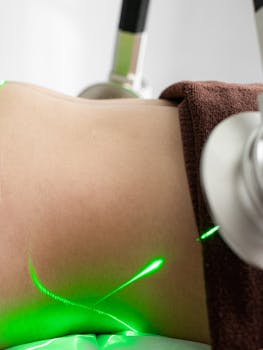
- Cellulaze: This laser-assisted procedure targets the fibrous bands beneath the skin, enhancing skin thickness and elasticity. The laser energy melts the fat and releases the bands pulling down the skin.
- Subcision: Also known as Cellfina, this minimally invasive procedure involves inserting a needle to cut the fibrous bands directly, allowing the skin to bounce back.
- Liposuction: Although primarily used for fat removal, modified methods of liposuction can sometimes improve the appearance of cellulite by smoothing out the surface.
Comparing Surgical and Non-surgical Options
When deciding between surgical and non-surgical cellulite treatment options, it’s essential to understand the benefits and limitations of each. Surgical methods like cellulite surgery often provide more immediate and pronounced improvements. Non-surgical methods, like creams or radiofrequency treatments, may offer a gradual reduction with continuous use.
For more insights on related procedures, you can learn about the costs associated with arm fat removal.
Choosing the Right Treatment
Selecting the appropriate cellulite treatment involves considering factors like severity, desired outcome, and recovery time. Consulting with a dermatologist or plastic surgeon can provide personalized advice, ensuring the chosen method aligns with individual goals and skin types.
Potential Risks and Considerations
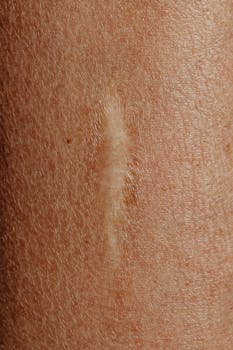
As with any surgical procedure, cellulite surgery carries potential risks and side effects, such as infection or scarring. Patients should discuss these thoroughly with their healthcare provider to make an informed decision. Recovery times vary, with some procedures requiring significant downtime.
Before proceeding, reviewing factual details, such as those found in resources like this comprehensive guide on liposuction, can be beneficial.
Living a Lifestyle that Supports Skin Health
Whether opting for surgery or not, adopting healthy habits plays a crucial role in supporting skin health. A balanced diet rich in antioxidants, regular physical activity, and staying hydrated can positively influence skin texture. Mindfulness of these factors contributes to the overall appearance and health of the skin with or without medical intervention.
Conclusion: Exploring the Path to Smoother Skin
Cellulite surgery is a viable option for those seeking significant reductions in cellulite appearance. While non-surgical treatments offer benefits, surgical options can lead to quicker, more noticeable results. With the right information and professional guidance, individuals can achieve their desired skin texture and boost their confidence.
- Cellulite surgery targets structural causes beneath the skin.
- Surgical treatments like Cellulaze and subcision are popular options.
- Assessing risks and consulting professionals is crucial before proceeding.
- Healthy lifestyle choices complement both surgical and non-surgical options.
- Consultation with a healthcare provider is essential for a personalized plan.
What is cellulite surgery?
Cellulite surgery refers to procedures aimed at reducing the appearance of cellulite by addressing its underlying causes beneath the skin.
Are there non-surgical treatments for cellulite?
Yes, non-surgical treatments include creams, radiofrequency, and massage therapies, which may help improve the appearance of cellulite over time.
What are the risks associated with cellulite surgery?
Potential risks include infection, scarring, and temporary discomfort. It is important to discuss these with a healthcare provider before proceeding.
How does subcision improve cellulite?
Subcision, also known as Cellfina, involves cutting the fibrous bands beneath the skin, allowing the skin to lift and appear smoother.
Can lifestyle changes improve cellulite?
While they can’t eliminate cellulite, maintaining a healthy diet, staying active, and hydrating may support skin health and potential improvement.