If you’ve been searching for a solution to address uneven skin tone or dark spots, you may have come across the treatment option known as a chemical peel for hyperpigmentation. This popular skin care procedure is designed to enhance the appearance of the skin by removing damaged outer layers, which can help diminish the visibility of dark spots and uneven pigmentation.
Understanding Chemical Peel for Hyperpigmentation
Chemical peels are versatile treatments that involve applying a chemical solution to the skin to exfoliate and eventually peel off the outer layers. This process stimulates the growth of new, smoother, and more evenly pigmented skin. When we talk about a chemical peel for hyperpigmentation, we specifically refer to targeting discoloration and dark spots, often caused by sun exposure, hormonal changes, or acne.
Types of Chemical Peels
There are various types of chemical peels classified primarily by their depth and the specific acid used. The main categories include superficial peels, medium peels, and deep peels. The choice of peel depends largely on the severity of the hyperpigmentation and skin type.
Superficial or Light Peels
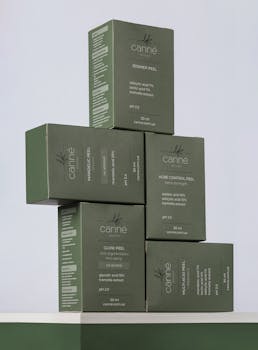
Superficial peels use mild acids like alpha hydroxy acids (AHAs) for gentle exfoliation. They are often considered the best skin peel for hyperpigmentation if you have mild discoloration. Regular treatments can lead to a gradual improvement in skin tone.
Medium Peels
Medium peels penetrate deeper into the skin. One of the more commonly used acids in these peels is trichloroacetic acid (TCA). Medium peels are effective for moderate hyperpigmentation and may require downtime for skin recovery.
Deep Peels
Deep peels often use stronger compounds like phenol and are suited for treating more severe pigmentation issues and deep lines. They require significant recovery time and are usually performed under medical supervision.
What to Expect During a Chemical Peel
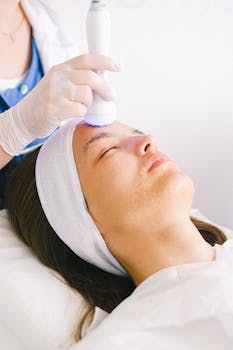
During the procedure, a chemical solution is applied to the skin, controlled by a dermatologist or licensed professional. You might experience a temporary burning or tingling sensation. After the treatment, your skin will peel over the following days, revealing fresher skin.
Post-Peel Care
Post-treatment care is crucial to maximize the outcomes of a chemical peel for dark spots. Sun protection is essential, as the new skin is particularly sensitive to UV exposure. It’s also important to follow a gentle skincare regimen to support healing.
Choosing the Right Peel and Preparing for the Procedure
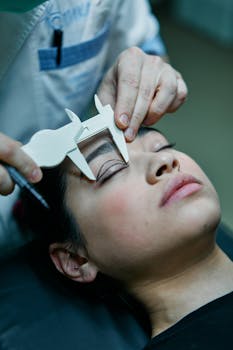
Consulting with a dermatologist is key to selecting the appropriate acid peel for dark spots. Your skin type, the severity of the hyperpigmentation, and your expectations should inform your choice. The dermatologist will guide you through preparation, which may include pre-treatment skin care and avoiding certain medications.
Potential Side Effects
Like any cosmetic procedure, chemical peels come with potential side effects. Redness, irritation, and temporary discoloration are common experiences. Following the healthcare provider’s guidance on post-peel care can mitigate these effects.
For a deeper understanding of the environmental aspects within skincare treatments, explore sustainable skincare practices.
How to Treat Hyperpigmentation After a Chemical Peel
After a chemical peel, maintaining an effective skincare routine can assist in preventing further pigmentation issues. Use products with ingredients like niacinamide and vitamin C, which may support even skin tone. Practicing diligent sunscreen usage remains critical.
Alternative Treatments and Enhancements
Aside from peels, other treatments like laser therapy and microdermabrasion are options for managing hyperpigmentation. Discussing these alternatives with a skincare professional can help align treatments with skin goals effectively.
For those looking to complement these treatments holistically, focusing on general skin health is beneficial. For more background on health practices, see this comprehensive guide on health.
Final Thoughts on Chemical Peel for Hyperpigmentation
A chemical peel for hyperpigmentation continues to be a popular choice for improving skin tone and texture. As always, it’s recommended to have realistic expectations and consult with professionals to tailor the treatment to personal needs.
- Chemical peels can vary in depth and effect.
- Post-treatment care is crucial for effective results.
- Consult with a dermatologist before deciding on a chemical peel.
- Alternative treatments are available for hyperpigmentation.
- Consistency is key for maintaining skin health post-peel.
FAQs About Chemical Peels and Hyperpigmentation
Are chemical peels effective for all skin types?
Chemical peels are generally effective but may not be suitable for very sensitive skin or those with specific skin conditions. Consulting a dermatologist can provide personalized advice.
How long does it take to see results from a chemical peel?
Results can vary based on the type of peel and the individual’s skin response. In general, you may notice an improvement in skin texture and tone within a couple of weeks.
Can chemical peels be combined with other treatments?
Yes, chemical peels can often be combined with other treatments like laser therapy for enhanced results. Discuss with your skincare provider for the best approach.
What should I avoid after a chemical peel?
It’s best to avoid direct sun exposure, vigorous exercise, and harsh skincare products immediately after a peel. Follow your dermatologist’s post-care instructions for optimal recovery.
Is a strong chemical peel better for dark spots?
While a strong chemical peel may offer more dramatic results, it also comes with increased risk and recovery time. A dermatologist can determine the appropriate strength for your specific concerns.