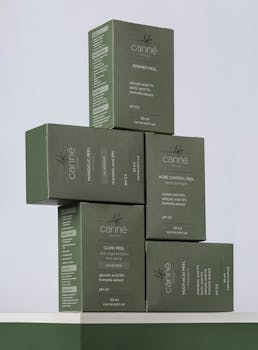
Spending time under the sun can leave your skin with noticeable sun damage, often manifesting as uneven skin tone, wrinkles, and dark spots. Fortunately, a chemical peel for sun damage may offer a solution. This procedure involves applying a chemical solution to the face, promoting the peeling of the damaged outer layer and revealing smoother, brighter skin beneath.
Chemical Peel for Sun Damage
Chemical peels have been used effectively for minimizing sun damage. By accelerating the skin’s natural exfoliation process, they can help reduce pigmentation issues and improve skin texture. But how do chemical peels work? The process involves acids like glycolic, salicylic, or lactic acid breaking down the bonds of dead skin cells, which then peel off.
What are Chemical Peels Good For?
Chemical peels are versatile and can address a range of skin issues beyond sun damage. They are popular for treating acne scars, improving skin brightness, and helping with mild wrinkles. Depending on the concentration and type of acid used, different results can be achieved, from light rejuvenation to deeper exfoliation.
Advantages of Chemical Peeling on Face
The advantages of chemical peeling on the face include smoother texture, reduction of fine lines, and enhanced skin tone. Mild to light chemical peels can offer a refreshing glow and are suitable for regular maintenance. Deeper peels may provide more dramatic results but come with a longer downtime.
Are Chemical Peels Good for Your Skin?
Whether chemical peels are good for your skin depends on your skin type, condition, and personal goals. They can be beneficial for those looking to improve texture and combat signs of aging. However, it’s essential to consult with a dermatologist to determine the best peel for your skin type, as incorrect use can lead to irritation.
Chemical Peel Downtime and Recovery
Chemical peel downtime varies based on the depth of the peel. Light peels might have little to no downtime, while deeper peels may require several weeks for full recovery. The healing time is directly proportional to the intensity of the procedure, with deeper treatments offering a profound transformation at the cost of longer recovery.
Do Chemical Peels Help with Wrinkles?
Many people turn to chemical peels for reducing the appearance of wrinkles. Face peels, especially deep ones, can indeed help diminish fine lines by promoting new skin growth. These treatments stimulate collagen production, which plumps and smooths the skin.
What Does a Chemical Peel Do for Your Face?
A chemical peel for the face primarily works by shedding the top damaged skin layers. It aids in fading age spots, freckles, and other types of sun-induced pigmentation. Regular sessions, especially of superficial peels, can maintain even skin tone and texture.
How Long Does It Take for a Chemical Peel to Heal?
The healing time for chemical peels varies. Light peels may heal within a few days, while moderate to deep peels might take weeks. During the healing process, it’s normal to experience peeling skin, which can be managed by proper post-peel skin care routines.
Recommended Time Between Superficial Peel Treatments
The frequency of repeated treatments depends on skin sensitivity and the desired results. Generally, superficial peels can be performed every two to four weeks. This regular treatment schedule can maintain results while reducing the risk of irritation or prolonged downtime.
Deep Chemical Peel Considerations
Deep peels involve more potent chemicals and require significant healing time. They offer substantial improvement for severe sun damage, deep wrinkles, and extensive pigmentation issues. However, these procedures should be performed by qualified professionals due to their intensity and potential side effects.
For individuals interested in enhancing their skincare routines, exploring advanced skincare technologies can complement the benefits of chemical peels.
How to Treat Peeling Skin After a Chemical Peel
Post-procedure, it’s crucial to care for peeling skin gently. Use a hydrating, non-irritating moisturizer, avoid sun exposure, and apply sunscreen religiously. Gentle skin handling will prevent irritation and support healing.
While the chemical peel for sun damage can produce impressive results, it’s not a one-size-fits-all solution. Each treatment should be tailored to individual skin needs and conditions. According to detailed health resources, consulting a professional is essential for the best outcomes.
- Chemical peels can effectively reduce sun damage.
- Different peel depths offer varying recovery times.
- Peels can improve skin texture and appearance.
- Consult a dermatologist for personalized treatment.
- Proper post-care is essential for healing.
How do chemical peels work?
Chemical peels use acids to exfoliate the top layer of skin, encouraging the growth of new, healthy skin cells.
What is the healing time for a chemical peel?
Healing time varies; light peels heal in days, while deeper peels take several weeks.
Can chemical peels treat acne scars?
Yes, they can reduce the appearance of acne scars by promoting new skin cell growth.
How often can you get a chemical peel?
Superficial peels can be done every two to four weeks, while deeper peels require longer intervals.
Are chemical peels safe for everyone?
Chemical peels might not be suitable for everyone and should be administered by a professional to avoid adverse effects.