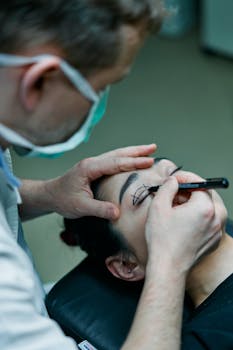
Droopy eyelid surgery, medically known as blepharoplasty, is a popular procedure sought by individuals experiencing sagging eyelids. This surgical intervention can have both aesthetic and functional benefits, such as improving vision obstructed by heavy upper eyelids. If you are curious about how this surgery might impact you, read on to discover expert tips and FAQs on droopy eyelid surgery.
The Benefits of Droopy Eyelid Surgery
Droopy eyelid surgery offers multiple benefits, particularly for those whose vision may be affected by sagging eyelids. Excess skin or fat can cause the eyelids to droop, partially obstructing the field of vision. By removing this excess tissue, the procedure can provide not only an improved facial appearance but also enhanced vision.
If you’ve ever wondered how recovery timelines for facial surgeries like rhinoplasty compare, it’s important to note that recovery processes can vary significantly. Consulting with a qualified specialist is the best way to understand what to expect for your specific situation.
What to Expect Before and After Surgery
Before undergoing droopy eyelid surgery, a thorough consultation with a surgical professional is essential. During this session, your droopy eyelid doctor will evaluate your eyelids’ condition, discuss your medical history, and outline the procedural steps.
Post-surgery, patients are usually given specific instructions to aid recovery. You may experience swelling and bruising, which are normal side effects that dissipate over time. Patients often feel an improvement in both vision and cosmetic appearance after recovery.
Can Droopy Eyelids Affect Vision?
Yes, drooping eyelids can significantly impact vision. This condition, known as ptosis of the eyelid, might cover part of the eye, making it difficult to see clearly. For some, eye surgery for drooping eyelids is necessary to relieve these obstructive symptoms.
Recovery and Healing
The recovery phase following drooping eyelid surgery can vary, but most people return to daily activities within a few weeks. Adhering to your surgeon’s aftercare instructions can facilitate a smoother healing process.
Swelling and discoloration are typical during the initial healing stages, and cool compresses can help manage these side effects. It’s crucial to avoid strenuous activities and sun exposure during recovery to promote optimal healing.
Alternative Solutions and Considerations
For those not ready for surgery, there are non-surgical options to explore. Eye exercises might help strengthen a lazy eyelid, potentially reducing the appearance of droopiness. Consulting with healthcare professionals about lifestyle changes and remedies that might support eyelid strength is recommended.
Potential Risks and Complications
Like any surgical procedure, droopy eyelid surgery carries potential risks. These can include infection, scarring, and difficulty closing the eyes. Understanding these risks and discussing them with your surgical team is critical to making an informed decision.
Long-term Results and Maintenance
The results of eyelid surgery for droopy eyelids can be long-lasting. However, as skin naturally loses elasticity with age, further interventions might be needed over time. Maintaining a healthy lifestyle and protecting your skin from sun damage can help prolong the results.
Blepharoplasty droopy eyelids surgery can be a transformative experience, offering significant aesthetic and functional improvements. Consulting a specialist will help determine the best treatment course for your unique needs.
Related Considerations
It’s also important to explore related conditions and terms such as how to fix a lazy eyelid and what does a lazy eyelid look like. Education about these matters can help set realistic expectations for surgical outcomes.
For more information on general health topics and the benefits of various interventions, you can visit this comprehensive health resource.
Ultimately, droopy eyelid surgery may improve not just appearance, but overall quality of life by potentially enhancing vision. Always consult with your healthcare provider to explore treatment options tailored to your needs.
- Droopy eyelid surgery, or blepharoplasty, can improve both appearance and vision.
- Consult with a qualified specialist for a thorough evaluation before proceeding.
- Understand the risks and benefits associated with the procedure.
- Recovery times vary, but most return to regular activities within a few weeks.
- Explore non-surgical options for minor improvements.
What do drooping eyelids look like?
Drooping eyelids, or ptosis, often appear as sagging skin over the upper eyes, potentially covering part of the pupil and affecting vision. They can make the eyes look tired or closed.
Why is one eyelid bigger than the other?
Asymmetry in eyelids can occur due to genetic factors, aging, or conditions such as ptosis. Surgical intervention can help correct significant disparities.
How would doctors make a new eyelid?
In procedures like reconstructive blepharoplasty, surgeons can use skin grafts or adjust existing tissue to create a more symmetrical and functional eyelid.
What does a lazy eyelid look like?
A lazy eyelid often appears droopy and may not open fully. It can occur from weakened muscles or nerve issues and might benefit from exercises or surgery.
How to strengthen a lazy eyelid?
Exercises designed to engage and strengthen the eyelid muscles may help improve the condition of a lazy eyelid. Consulting with a specialist can provide a personalized exercise routine.