When considering hair restoration options, many people wonder if hair plugs are painful. Understanding the potential discomfort associated with the procedure can help you make an informed decision. Hair plugs, also known as hair implants or hair transplants, have evolved significantly over the years. With advancements in medical technology, the modern hair transplant procedure, while involving some level of discomfort, may not be as painful as you might expect.
Are Hair Plugs Painful?
Despite the term “plugs,” today’s procedures differ greatly from older methods. Current hair transplants usually involve two main techniques: Follicular Unit Transplantation (FUT) and Follicular Unit Extraction (FUE). Both have their unique processes and potential discomfort levels.
The question of do hair transplants hurt depends significantly on individual pain tolerance and the specific procedure used. During the transplant, local anesthesia is applied to numb the area, which substantially reduces the pain experienced during the procedure itself. Patients often report feeling pressure and a slight pulling sensation, but significant discomfort is uncommon.
Understanding the Procedure
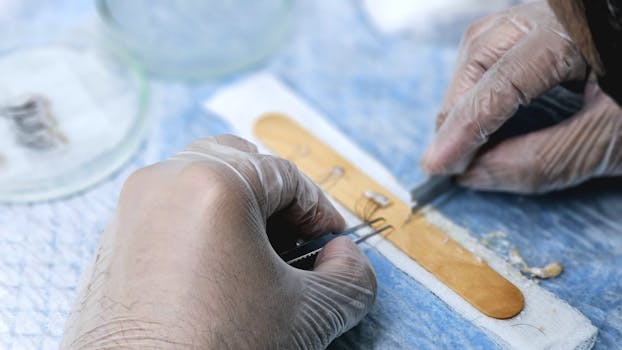
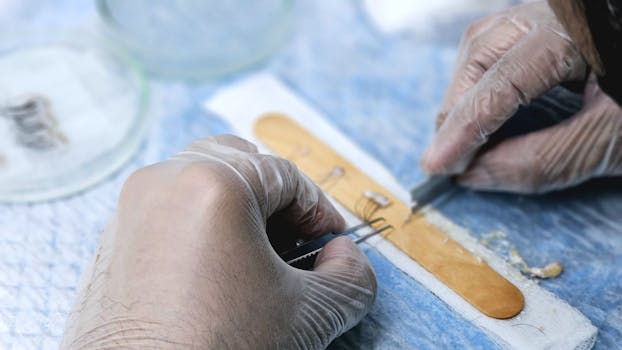
During an FUT procedure, a strip of scalp is removed from the back of the head and dissected into individual grafts. This technique might lead to some post-operative soreness due to the linear incision. In contrast, the FUE method involves extracting individual hair follicles directly from the scalp without a significant incision, resulting in less noticeable scarring and typically less post-operative discomfort.
For those asking does hair implants hurt, the FUE method is generally considered less invasive and, consequently, less painful both during and after the surgery. Recovery times vary between the methods, with FUE generally offering quicker healing.
Pain Management and Recovery
Post-operative pain is manageable and typically involves mild soreness, swelling, and itching in the treated area. Over-the-counter pain relievers like ibuprofen can help manage these symptoms. Surgeons may also recommend specific aftercare practices to alleviate discomfort and promote healing.
If you’re wondering does hair transplant hurt long-term, rest assured that most discomfort subsides within a week or two. The treated areas will heal gradually, with hair regrowing over the following months.
Is Hair Transplant Surgery Painful?
The prospect of is hair transplant painful often concerns potential candidates. However, advancements in the field have significantly minimized the pain associated with the procedures. Local anesthetics play a crucial role in numbing the scalp, ensuring the surgery is as comfortable as possible for patients.
Post-surgical sensations, while noticeable, are typically mild and tolerable. Surgeons can also provide tips and guidelines that include keeping the head elevated, avoiding strenuous activity, and using prescribed medications to further reduce discomfort.
For those evaluating eco-friendly approaches to skin and hair care, explore our guide on eco-friendly skincare and sustainable practices, which can complement overall health and wellness choices.
Long-Term Considerations
While initial discomfort is part of the process, the long-term benefits often outweigh the temporary pain. Once healed, transplanted hair should continue growing naturally, potentially eliminating the need for further invasive interventions.
Ultimately, if you find yourself asking, are hair plugs painful, it’s essential to consult with a qualified surgeon. They can guide you through the process more thoroughly, offer personalized insights, and address any specific concerns you might have.
- Hair transplants involve minimal pain, primarily controlled with local anesthesia.
- FUE techniques generally result in less discomfort than FUT methods.
- Post-operative discomfort is typically mild and manageable with over-the-counter pain relief.
- Consulting with a professional surgeon is crucial for personalized care.
- Hair regrowth occurs gradually, typically leading to satisfactory outcomes.
FAQs
How long does it take to recover from a hair transplant?
Most patients can return to work within a few days, but visible healing may take a week or two. Full recovery and hair regrowth occur over several months.
Will I need multiple hair transplant surgeries?
This depends on your specific hair loss condition and goals. Some patients may require more than one session to achieve their desired results.
What are the side effects of hair transplant surgery?
Common side effects include mild swelling, soreness, and itching. These usually resolve within a short period. Always discuss potential risks with your surgeon.
Can anyone have a hair transplant?
Not everyone is a candidate for hair transplant surgery. Factors like hair density, the cause of hair loss, and overall health can impact eligibility.
Where can I find more information about hair transplants?
You can learn more about hair transplant procedures on reliable resources like the Wikipedia page on hair transplantation. For personalized advice, consult a healthcare professional.