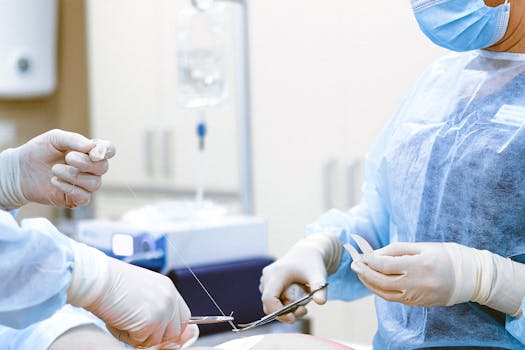
Plastic surgery has long been a topic of fascination, often enveloped in stories of dramatic transformations and, occasionally, with cautionary tales. However, there is a growing conversation about plastic surgery gone right—instances where surgical enhancements are successful, safe, and life-enhancing for those who choose to undergo them. Understanding the positive potential of plastic surgery is important as it moves beyond stigma to celebrate self-confidence and well-being.
When We Talk About Plastic Surgery Gone Right
Instances of plastic surgery gone right often reflect thoughtful decision-making, skilled surgeons, and realistic expectations. Unlike sensationalized media portrayals, these successful surgeries represent a natural-looking transformation that aligns harmoniously with an individual’s body and self-image. Such outcomes can profoundly affect a person’s confidence, self-esteem, and overall quality of life.
Who Opts for Plastic Surgery?
People with plastic surgery are diverse—younger individuals seeking aesthetic enhancements, older adults interested in anti-aging procedures, or those correcting congenital anomalies or reconstructing after trauma. Each person’s motivation is unique, driven by the desire for physical improvement, enhanced self-esteem, or functional restoration.
Common Plastic Surgery Procedures
Popular procedures range from facial surgeries such as rhinoplasty and facelifts to body contouring through liposuction or tummy tucks. Breast augmentations, reductions, and lifts are also common. Each procedure requires careful planning and consideration to ensure outcomes meet realistic expectations.
The Role of the Plastic Surgeon
For plastic surgery to be deemed “gone right,” the expertise of a board-certified plastic surgeon is crucial. The surgeon’s skill set, experience, and precision contribute to effective procedures and minimize risks. Communication with the surgeon about desired outcomes and understanding possible results are essential steps in the journey.
Realistic Expectations and Emotional Readiness
A significant component of achieving positive outcomes is setting realistic expectations. Patients need to understand the possibilities and limitations of their desired procedures. Emotional readiness, including motivations for surgery and psychological impacts, also play a critical role in the overall success of the surgical journey.
Plastic Surgery Gone Right: Post-Op Success and Recovery
The postoperative period is vital in ensuring plastic surgery gone right. Adhering to recovery guidelines, attending follow-up appointments, and maintaining open communication with healthcare providers are essential to a smooth recovery and optimal results.
Beyond Aesthetics: Functional Benefits of Plastic Surgery
Plastic surgery isn’t solely about aesthetics; it often serves functional purposes. People with plastic surgery might seek it to improve breathing with rhinoplasty, alleviate back pain with breast reduction, or restore mobility after reconstructive procedures. These functional benefits can significantly improve everyday quality of life.
Choosing the Right Plastic Surgeon
Selecting a skilled and experienced surgeon requires thorough research, including verifying credentials and reviewing past patient outcomes. Recommendations from trusted sources and consultations can guide you to a professional who aligns with your goals.
Eco-Friendly Considerations in Cosmetic Choices
As concerns about environmental impact rise, many are opting for eco-friendly skincare and sustainable beauty practices alongside their surgical enhancements. Reducing waste and choosing sustainable products can complement aesthetic procedures by promoting holistic health and well-being.
The Future of Plastic Surgery
The field of plastic surgery continually evolves with technological advancements, offering less invasive options and enhanced safety profiles. These innovations translate into improved user experiences, encouraging more people to view plastic surgery as a viable, positive option.
In conclusion, plastic surgery gone right exemplifies how this medical field, when approached responsibly, can transform lives positively. Whether for aesthetic or functional enhancements, successful plastic surgery highlights the art of medicine combined with patients’ aspirations and well-being.
Takeaways
- Plastic surgery can enhance both appearance and function, offering meaningful improvements in quality of life.
- Successful outcomes depend heavily on the expertise of board-certified surgeons and realistic patient expectations.
- Research and open communication with healthcare providers are crucial before pursuing plastic surgery.
- Eco-friendly choices can complement beauty and wellness long-term.
- Technological advances continue to refine procedures, making surgery safer and more accessible.
FAQ
What factors contribute to plastic surgery going right?
Key factors include choosing a board-certified surgeon, having realistic expectations, understanding the procedure fully, and following postoperative care instructions diligently.
How can plastic surgery improve my health?
Beyond aesthetic changes, plastic surgery may help improve functions like breathing or mobility and alleviate physical discomfort, such as back pain from overly large breasts.
Are there age restrictions for plastic surgery?
While there’s no universally applicable age limit, candidates should consider maturity, growth, health status, and specific requirements of the desired procedure.
Is it safe to combine multiple surgeries?
Combining surgeries can be safe for healthy individuals and may reduce overall recovery time, but it should be discussed thoroughly with your surgeon to weigh risks and benefits.
Where can I find more information about health and wellness?
For more information on health topics, you can visit resources like the Wikipedia Health page for comprehensive insights on wellness and medical advancements.