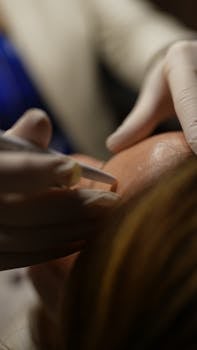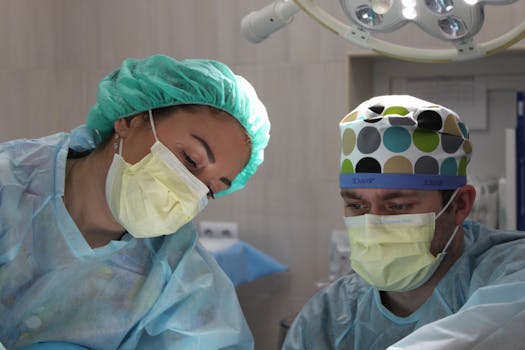
Ptosis repair surgery is a medical procedure designed to correct drooping eyelids, a condition known as ptosis. This condition can affect one or both eyes and may occur due to aging, trauma, or neurological issues. Individuals considering this surgery often wonder about its benefits, risks, and recovery process. This article will guide you through the essential aspects of ptosis repair surgery, offering expert tips and answering frequently asked questions.
Understanding Ptosis Repair Surgery
Ptosis repair surgery aims to lift the eyelid to its natural position, thereby improving vision and appearance. This procedure involves tightening the muscles responsible for lifting the eyelids. Depending on the severity of ptosis, different surgical techniques may be employed.
Why Consider Surgery?
Those with ptosis may seek treatment due to functional or cosmetic reasons. For some, the drooping eyelid may partially obstruct vision, thus needing surgical intervention for practical purposes. Others may choose surgery to improve the aesthetic appearance of their eyes.
Surgical Techniques
Several techniques are used to treat ptosis, including:
- Levator Resection: This involves shortening the levator muscle to provide better lift and eyelid elevation.
- Müller’s Muscle-Conjunctival Resection: A newer method that targets specific muscles beneath the eyelid, often used for mild ptosis.
- Frontalis Sling: Utilized in cases where eyelid muscles are weak, this technique connects the eyelid to the forehead muscles.
Potential Risks and Benefits
As with any surgery, ptosis repair surgery comes with potential risks and benefits. Understanding these can help set realistic expectations.
Benefits
Successful ptosis repair can significantly improve the field of vision and enhance facial symmetry. Many patients report increased confidence and satisfaction with their appearance post-surgery.
Risks
Risks include infection, bleeding, and scarring. There’s also the possibility of under-correction or over-correction, where the eyelid remains too low or is lifted excessively. It’s crucial to discuss these risks with a qualified surgeon to make an informed decision.
Recovery Process
Post-surgery, patients might experience swelling and bruising around the eyes, which can last up to two weeks. Following your surgeon’s aftercare instructions can aid in a smoother recovery. It’s generally recommended to avoid strenuous activities and follow a prescribed medication regimen to minimize risks.
For readers interested in understanding how cosmetic procedures can impact overall wellness, you might explore fat transfer to enhance breast appearance and learn what to expect from different beauty interventions.
Preparing for Ptosis Repair Surgery
Prior preparation is essential for a successful surgery and recovery. It typically involves a thorough medical assessment, planning for post-op care, and ensuring you understand the procedure’s specifics.
Before the Surgery
Consult with an experienced ophthalmologist or plastic surgeon specializing in eyelid surgery. They’ll discuss your medical history, analyze your eyelid function, and recommend the best surgical approach based on the severity of your ptosis and personal goals.
Post-Operative Care
Care following surgery is vital. Patients may need to use prescribed eye drops or ointments to prevent infection and assist healing. Regular follow-up appointments will ensure the surgery’s success and monitor the healing process.
For additional information on eyelid conditions and general health, refer to resources like the Mayo Clinic’s guide on eyelid surgery benefits and risks.
In conclusion, ptosis repair surgery offers a viable solution for those affected by drooping eyelids, with positive outcomes for appearance and vision. It’s essential to have a detailed discussion with your healthcare provider to ensure it aligns with your health and aesthetic goals.
Takeaways
- Ptosis repair surgery is effective in correcting drooping eyelids.
- Enhances vision and aesthetic appearance.
- Involves techniques like levator resection and frontalis sling.
- Discuss risks and recovery details with your surgeon.
- Surgery may significantly boost confidence and quality of life.
Frequently Asked Questions
What is ptosis repair surgery?
Ptosis repair surgery is a medical procedure that corrects drooping eyelids by tightening the muscles responsible for lifting them, thus improving vision and appearance.
Who is a candidate for ptosis repair surgery?
Individuals who experience vision obstruction due to drooping eyelids or those who seek cosmetic enhancement may be candidates. It is best to consult a medical professional to discuss personal circumstances.
What are the typical recovery times after surgery?
While recovery can vary, most patients experience significant swollenness and bruising for about two weeks. Full recovery and final results can take a few months.
What are the potential complications of ptosis repair surgery?
Complications can include infection, bleeding, scarring, and the possibility of under or over-correction. Pre-surgery consultations help mitigate risks by planning appropriately tailored interventions.
How long do the effects of ptosis repair last?
While results are generally long-lasting, the aging process may naturally affect the eyelids over time. Some patients may opt for additional procedures if significant changes occur later.