
Table of Contents
Combining Ozempic and Jardiance Safely
Managing type 2 diabetes has evolved with innovative treatments like combining ozempic and jardiance safely, offering better control over blood sugar and supporting weight loss goals. Over 30 million Americans live with this condition, and according to Mayo Clinic guidelines, combination therapies are now standard for enhanced outcomes in glycemic management.
Ozempic, a GLP-1 receptor agonist, mimics a hormone to boost insulin release, slow digestion, and reduce appetite. Jardiance, an SGLT2 inhibitor, works by helping kidneys excrete excess glucose through urine, lowering blood sugar independently of insulin. Their safe co-administration of Ozempic and Jardiance targets multiple pathways for superior results, including cardiovascular protection.
This duo can improve A1C levels by up to 1-2% and promote meaningful weight reduction, addressing key concerns for many patients. While compatible under supervision, potential ozempic and jardiance drug interactions require monitoring.
Consult your healthcare provider to tailor this approach, as individual factors influence efficacy. This guide explores benefits, jardiance side effects with ozempic, combined therapy risks for diabetes medications, and practical recommendations ahead.
Ozempic and Jardiance Profiles
Ozempic, featuring semaglutide as its active ingredient, belongs to the GLP-1 receptor agonist class. Administered via weekly subcutaneous injection, it mimics incretin hormones to stimulate insulin secretion in response to meals, slow gastric emptying, and suppress appetite. This leads to significant blood sugar control and weight loss, with added benefits in reducing cardiovascular risks. FDA-approved for type 2 diabetes management and chronic weight management, Ozempic’s efficacy shines in clinical trials like the SUSTAIN series:
- SUSTAIN 6 showed a 26% reduction in major adverse cardiovascular events.
- SUSTAIN 7 demonstrated superior A1C lowering by 0.3-0.4% compared to other GLP-1 agents.
For obese patients with type 2 diabetes, Ozempic offers robust glycemic control alongside modest heart protection.
Jardiance, powered by empagliflozin, is an SGLT2 inhibitor that promotes renal glucose excretion by blocking reabsorption in the kidneys. Taken as a daily oral tablet, it lowers blood sugar independently of insulin, while providing diuretic effects that aid heart failure management and kidney protection. FDA-approved for type 2 diabetes, cardiovascular disease reduction, and chronic kidney disease, Jardiance’s key evidence comes from the EMPA-REG OUTCOME trial:
- Reduced cardiovascular death by 38% in high-risk patients.
- Slowed kidney disease progression by 39%.
This makes Jardiance ideal for those with comorbidities, enhancing outcomes in heart and renal health.
While individual profiles highlight unique strengths, Ozempic vs Jardiance for Diabetes reveals complementary mechanisms. The Ozempic-Jardiance duo therapy, or empagliflozin-semaglutide pairing, minimizes ozempic and jardiance drug interaction risks while boosting synergy. Combining ozempic and jardiance safely can enhance A1C reduction by 1-2%, as noted in expert recommendations on GLP-1 and SGLT2 classes, promoting greater weight loss and cardioprotection without amplifying jardiance side effects with ozempic in most cases. This sets the stage for deeper feature analysis.
Key Features Side by Side
When considering combining Ozempic and Jardiance safely, understanding their core differences is essential for effective diabetes management. These medications offer complementary approaches to blood sugar control and weight loss, with minimal direct overlaps that support their use together under medical supervision.
The following table provides a side-by-side comparison of key features, highlighting individual strengths and combined benefits. Data draws from clinical trials like LEADER for Ozempic and EMPRISE for Jardiance, emphasizing evidence-based insights into their mechanisms and outcomes.
| Feature | Ozempic | Jardiance | Combined Benefit |
|---|---|---|---|
| Mechanism of Action | GLP-1 receptor agonist: Enhances insulin, slows gastric emptying | SGLT2 inhibitor: Increases glucose excretion in urine | Complementary: Broader glycemic control, addressing ozempic and jardiance drug interaction risks through diverse pathways |
| Administration | Weekly subcutaneous injection | Daily oral tablet | Convenient duo for adherence |
| Blood Sugar Control | A1C reduction up to 1.5% | A1C reduction up to 0.8% | Additive 2%+ reduction potential |
| Weight Loss | 5-15% body weight loss | 2-3% body weight loss | Enhanced weight management |
| Cardiovascular Protection | Reduces major CV events by 20% (LEADER trial) | Reduces heart failure risk by 30% (Harvard Health data) | Synergistic heart and kidney protection |
This comparison reveals feature synergies in Ozempic-Jardiance combinations, where Ozempic’s potent weight loss and A1C effects pair with Jardiance’s urinary glucose excretion for superior control. While jardiance and ozempic together yield comparative advantages of combo diabetes drugs, potential jardiance side effects with ozempic like dehydration or gastrointestinal issues require monitoring. Cardiovascular benefits add value, as SGLT2 inhibitors like Jardiance lower heart failure risks, complementing GLP-1 agonists’ event reduction. Overall, these drugs enhance glycemic and weight outcomes without major interactions, though individual responses vary; consult a healthcare provider for personalized plans. (Consult healthcare provider for personalized application.)
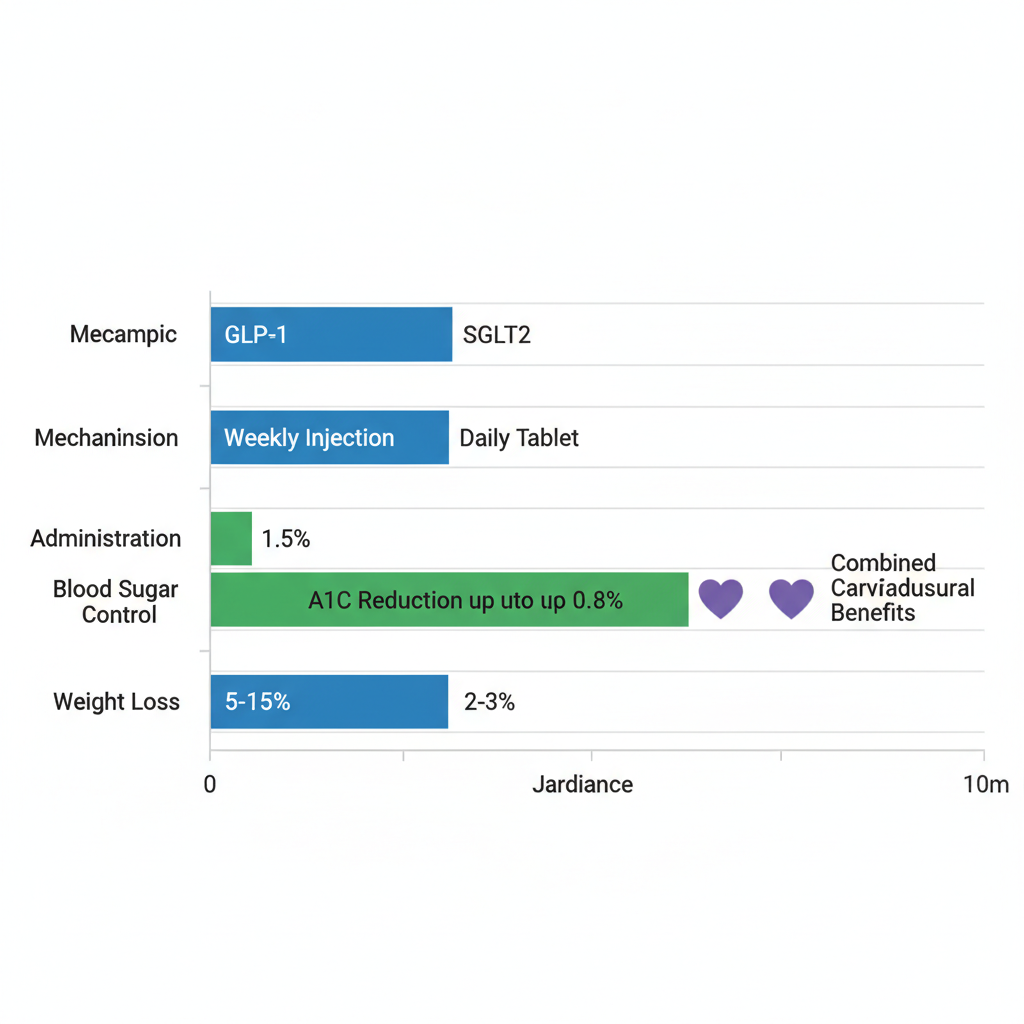
Side-by-side comparison of Ozempic and Jardiance features for diabetes care.
Ozempic and Jardiance together promote balanced diabetes care with additive efficacy.
Such synergies underscore the value of tailored therapy in managing chronic conditions effectively.
Cost Considerations for Combination Therapy
Managing type 2 diabetes or weight loss often involves evaluating the financial side of treatments. Ozempic, a weekly injection from Novo Nordisk, carries a list price of about $900 to $1,000 per month in 2024, depending on dosage strength. Each pen provides a month’s supply, but costs can vary by pharmacy and location. Jardiance, Boehringer Ingelheim’s daily oral SGLT2 inhibitor, typically ranges from $500 to $600 monthly, with generic versions starting to emerge that may lower prices further for eligible patients.
When which is better ozempic or jardiance in efficacy, the combination therapy adds up quickly, totaling over $1,400 per month without assistance. Budgeting for Ozempic-Jardiance regimen requires careful planning for safe use, especially monitoring for ozempic and jardiance drug interaction that might influence long-term expenses through added doctor visits.
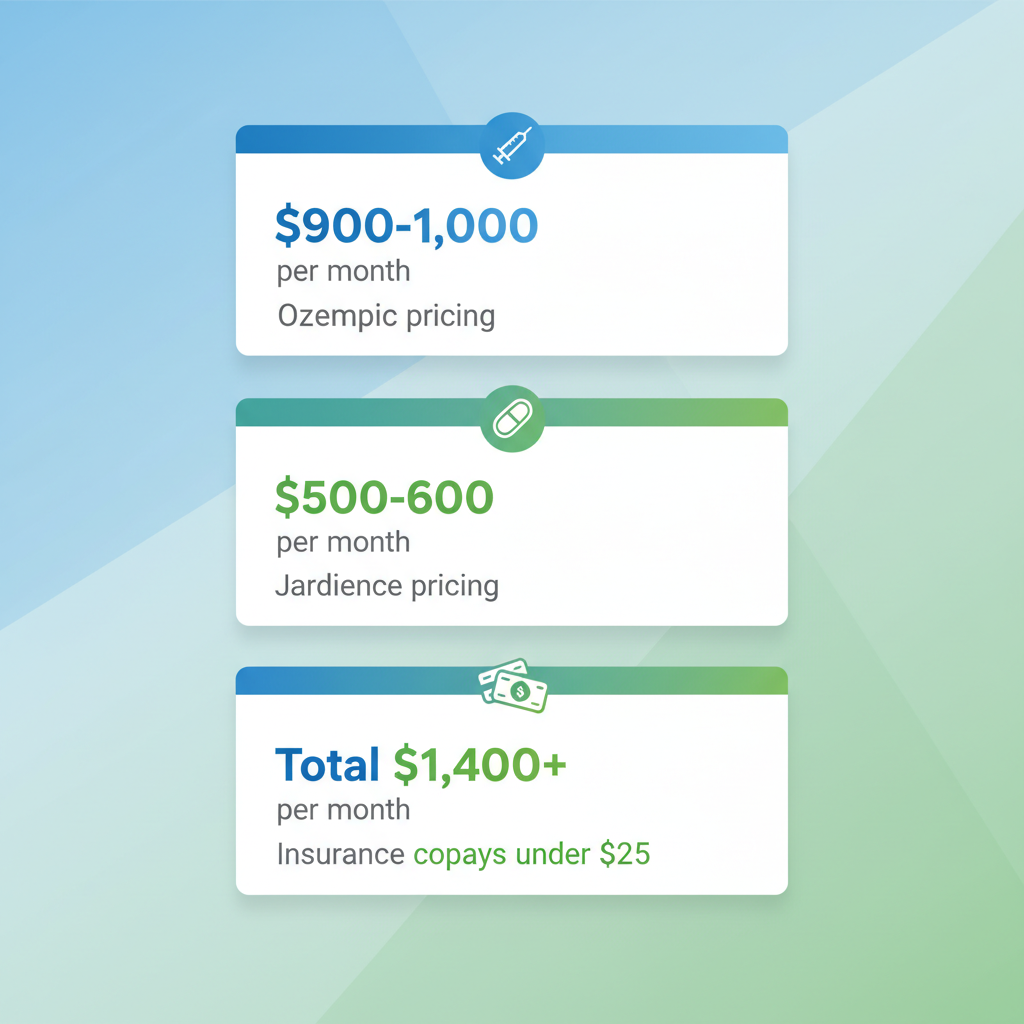
Cost analysis of Ozempic and Jardiance combination therapy
This visual highlights how affordable diabetes combo options become feasible with support. Insurance like Medicare Part D often covers both, reducing copays to under $25; the Mayo Clinic notes assistance programs can drop them to $0-$10. Novo Nordisk’s Savings Card and Boehringer Ingelheim’s patient assistance offer up to $150 off monthly for eligible users. Variability by plan and state underscores the need for personalized quotes.
For optimization, titrate dosages gradually to minimize waste and address jardiance side effects with ozempic through targeted monitoring, combining ozempic and jardiance safely while controlling costs.
Weighing the Combination Option
Combining Ozempic and Jardiance offers a compelling dual therapy for type 2 diabetes management, particularly when single agents fall short. This verdict on Ozempic-Jardiance combo highlights enhanced glycemic control and weight reduction, with both medications complementing each other. Ozempic’s GLP-1 action suppresses appetite and slows digestion, while Jardiance’s SGLT2 inhibition promotes glucose excretion via urine. Together, they achieve superior blood sugar stabilization and modest weight loss of 5-10% body weight in many patients, outperforming monotherapy in clinical scenarios. For those pondering Which Is Better Ozempic or Jardiance, the balanced review of dual therapy suggests synergy for comprehensive benefits.
However, the ozempic and jardiance drug interaction profile remains minimal, with low risk of severe conflicts under medical supervision. Hypoglycemia signs like shakiness, sweating, or confusion require vigilant monitoring, especially with insulin co-use. Jardiance side effects with ozempic may amplify gastrointestinal discomfort from Ozempic, such as nausea or diarrhea, alongside Jardiance’s urinary tract infections or dehydration risks. Kidney function warrants closer watch, as SGLT2 inhibitors like Jardiance can strain hydration in GLP-1 users, though Harvard Health notes combo use reduces cardiovascular events by 20-40% in high-risk groups. Northwell guidelines endorse this polypharmacy for obese patients with heart disease, balancing efficacy against these concerns.
The following table provides a quick scan of key aspects:
| Aspect | Pros | Cons |
|---|---|---|
| Efficacy | Superior blood sugar and weight loss control | Potential for additive side effects like GI issues |
| Safety | Low interaction risk with monitoring | Risk of dehydration or ketoacidosis |
| Heart Health | Enhanced cardioprotection from both | Higher monitoring for kidney function |
This pros and cons outline, based on endocrinology guidelines, underscores individual results vary. Ideal candidates include those with obesity and cardiovascular disease risk, where the duo maximizes heart protection while aiding weight management. For safe implementation, combining ozempic and jardiance safely demands personalized dosing from a healthcare provider to mitigate risks and optimize outcomes.
Final Insights on Safe Combination
Combining Ozempic and Jardiance safely offers enhanced blood sugar control and weight management, while providing dual heart protection benefits. For patients not reaching goals on monotherapy, this duo shines by improving glycemic outcomes and cardiovascular health, as both drugs complement each other effectively. Explore ozempic versus jardiance for diabetes for deeper comparisons.
Minimal ozempic and jardiance drug interaction risks exist, but monitor jardiance side effects with ozempic like hypoglycemia or gastrointestinal discomfort. Stay vigilant for low blood sugar signs such as shakiness or confusion to ensure safety.
Consult your endocrinologist for personalized plans, including regular A1C checks as recommended by Mayo Clinic guidelines. This summary of Ozempic-Jardiance safety serves as a key resource hub, not medical advice–empowering you to take charge of your diabetes treatment.
