
Table of Contents
Understanding Ozempic and Weight Loss Expectations
Many people wonder how long to lose weight on Ozempic, seeking a reliable path to sustainable results. This medication, originally designed for type 2 diabetes management, has gained popularity for its off-label use in weight loss, offering hope to those struggling with obesity. As a semaglutide-based treatment, Ozempic mimics the GLP-1 hormone to signal fullness, curbing appetite and slowing digestion for better portion control.
Ozempic’s active ingredient, semaglutide, works by regulating blood sugar levels and enhancing insulin release, which indirectly supports weight reduction. While the FDA approved a higher-dose version called Wegovy specifically for weight management, Ozempic is commonly prescribed off-label due to similar benefits. Treatment typically starts with a low ozempic dosage for weight loss, around 0.25 mg weekly, gradually increasing to minimize side effects like nausea. This titration process helps the body adjust, promoting steady progress over time.
Realistic expectations are key: clinical trials, such as the STEP studies, show average weight loss of 5-15% of body weight over 6-12 months with consistent use. Individual results vary based on starting weight, diet adherence, and exercise integration. Early weeks might bring modest losses of 1-2 pounds weekly, building to the ozempic weight loss timeline‘s fuller impact by month three. Factors like hydration and lifestyle changes amplify these outcomes, as highlighted in FDA guidelines and Mayo Clinic resources.
To grasp the full duration of ozempic-induced weight reduction, it’s essential to explore dosing fundamentals and early milestones next. This semaglutide weight management schedule sets the stage for long-term success, encouraging patience and holistic habits along the way.
Basics of Ozempic for Weight Management
Ozempic, known generically as semaglutide, represents a breakthrough in weight management by mimicking the GLP-1 hormone, which your body naturally produces. GLP-1, or glucagon-like peptide-1, plays a key role in regulating blood sugar and appetite. By acting as this mimic, Ozempic helps control insulin release, slows gastric emptying, and signals the brain to reduce hunger, making it easier to consume fewer calories without constant willpower battles. This mechanism kickstarts weight loss gently, like easing into a steady jog rather than sprinting from the start. For those with obesity or overweight conditions tied to type 2 diabetes, it offers a targeted approach backed by clinical evidence.
The ozempic dosage for weight loss follows a structured titration to build tolerance and minimize discomfort. Administered as a once-weekly subcutaneous injection, typically in the abdomen, thigh, or upper arm using a pre-filled pen, it simplifies adherence. The protocol begins low and ramps up gradually over four weeks: 1. Week 1: Start at 0.25 mg to allow the body to adjust. 2. Week 2: Remain at 0.25 mg. 3. Week 3: Increase to 0.5 mg. 4. Week 4: Hold at 0.5 mg before potential further escalation. Depending on response, doses may rise to 1 mg, 1.7 mg, or up to 2.4 mg weekly for optimal results. This stepwise approach addresses how long to lose weight on ozempic by pacing progress safely.
This titration schedule is crucial for reducing side effects like nausea, as sudden jumps can overwhelm the digestive system. By starting small, users acclimate, allowing the medication to enhance satiety without abrupt disruptions.
| Dosage Tier | Weekly Dose (mg) | Average Weight Loss (First 1-3 Months) | Common Side Effects | Lifestyle Recommendations |
|---|---|---|---|---|
| Starting Dose | 0.25 | 2-5% body weight Minimal initial loss; focus on tolerance building | Nausea, mild GI upset | Introduce low-carb diet gradually |
| Intermediate Dose | 0.5-1 | 5-8% body weight Noticeable appetite reduction | GI issues, fatigue | Incorporate 150 min weekly exercise |
| Maintenance Dose | 1-2.4 | 8-12% body weight Sustained progress with monitoring | Injection site reactions | Balanced nutrition and hydration |
As shown in the table, dosage progression directly influences early momentum. STEP clinical trials demonstrate average losses like 5.9% body weight at the 0.5 mg dose after 68 weeks, but initial months see quicker percentages due to rapid appetite shifts. Higher tiers accelerate results, yet individual factors such as starting BMI modulate speed–those with BMI over 30 often notice faster drops.
In the first month, expect 2-5 pounds lost as the body adapts, building to 10-15 pounds by month three with consistent use. The ozempic weight loss timeline varies, but most see steady reductions once past the startup phase, influenced by adherence and baseline weight. For a deeper look, explore the Ozempic Weight Loss Timeline.
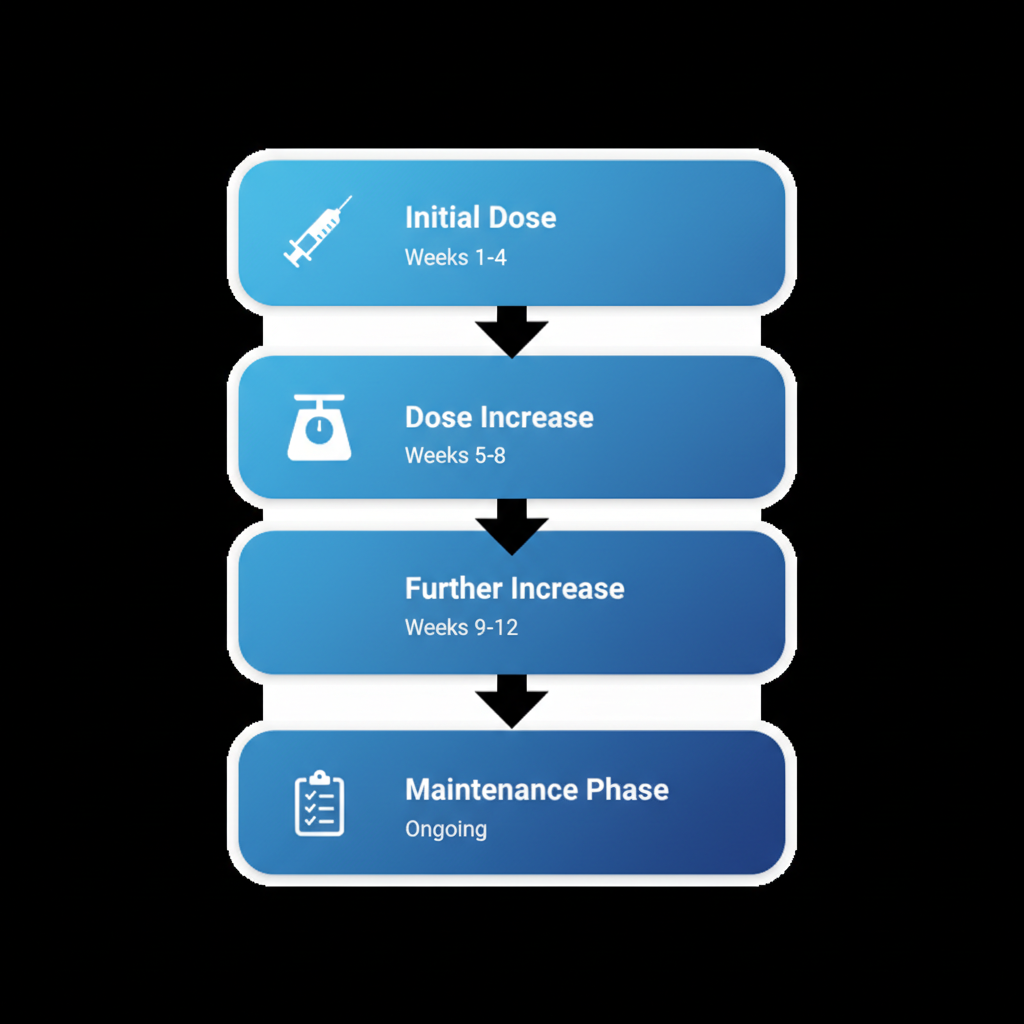
Ozempic dosage progression for effective weight management
This visual outlines the steady climb in dosing, reinforcing how each step supports tolerance and efficacy. Early monitoring for side effects like gastrointestinal upset ensures smooth sailing, with adjustments as needed under medical guidance.
To maximize benefits, integrate Ozempic with lifestyle tweaks: pair it with a calorie-controlled diet emphasizing proteins and fibers to amplify satiety, and add moderate exercise like walking to boost metabolism. Regular check-ins with healthcare providers track progress and tweak the plan, fostering sustainable semaglutide weight reduction duration. This foundation sets the stage for exploring monthly milestones in greater detail ahead.
Detailed Ozempic Weight Loss Timeline
Understanding how long to lose weight on Ozempic provides a clear roadmap for those starting semaglutide therapy. This ozempic weight loss timeline outlines realistic expectations based on clinical trials, showing progressive reductions influenced by dosage, diet, and exercise. Patients often see initial changes within weeks, with peak effects around six months, helping set achievable goals.
First Month: Initial Effects and Adjustments
In the first month, Ozempic begins to suppress appetite, leading to modest weight loss of about 2-4 pounds for many users. Week 1 typically brings gastrointestinal side effects like nausea or bloating as the body adjusts to the 0.25 mg starting dose, but these often subside by week 2. By weeks 3-4, users report feeling fuller longer, which naturally reduces calorie intake without drastic changes.
Tracking baseline weight, measurements, and habits from day one helps monitor the ozempic progress schedule effectively. Staying hydrated and incorporating protein-rich meals can ease side effects and support early semaglutide loss phases. According to STEP 1 trial data, initial losses average 2-5% of body weight in this period for adherent participants, emphasizing patience as the medication builds in the system.
Consulting a healthcare provider for personalized adjustments ensures safe navigation through these initial weeks.
Months 2-6: Building Momentum
As the ozempic dosage for weight loss increases to 0.5 mg and up to 1 mg by month 2, weight loss accelerates, often reaching 5-10 pounds total by month 3. This phase marks building momentum, with weekly losses of 1-2 pounds becoming common as appetite control strengthens and energy levels stabilize. Months 4-6 introduce higher doses around 1.7-2.4 mg, pushing cumulative losses to 10-20 pounds, though some experience early plateaus around month 4.
Addressing plateaus involves tweaking lifestyle factors, such as adding light exercise or varying meal timing, to reignite progress. The Endocrine Society highlights GLP-1 agonists like Ozempic enhance insulin sensitivity, contributing to steady fat reduction during these semaglutide loss phases. Trial outcomes from STEP 2 show average 8-12% body weight reduction by month 6 at maximum doses, with hydration and balanced nutrition optimizing results.
Milestones here include fitting into smaller clothes or improved stamina, reinforcing the ozempic weight loss timeline’s gradual nature. Regular check-ins with providers help titrate doses safely, preventing slowdowns from under-dosing.
Clinical trials provide valuable benchmarks for these milestones. The STEP 1-4 studies, spanning up to 68 weeks, demonstrated average losses of 5-8% at standard doses and 7-10% at maximum by three months, scaling to 10-12% and 12-15% by six months. For a 200-pound starter, this translates to 10-16 pounds in three months and 20-24 pounds by six, varying by individual factors.
| Time Period | Standard Dose Average Loss (%) | Max Dose Average Loss (%) | Example Loss (200 lb Starter) | Key Influences |
|---|---|---|---|---|
| 3 Months | 5-8% | 7-10% | 10-16 lbs | Diet adherence, exercise |
| 6 Months | 10-12% | 12-15% | 20-24 lbs | Dose tolerance, monitoring |
| 12 Months | 15-20% | 20-25% | 30-50 lbs | Plateaus, long-term habits |
Higher doses accelerate the ozempic progress schedule by enhancing satiety signals, but variability arises from genetics, adherence, and comorbidities. For instance, STEP trials noted 15.3% average loss at 2.4 mg over 68 weeks, underscoring how consistent monitoring personalizes timelines. Readers should view these as guides, adjusting based on professional advice to avoid frustration from non-linear progress.
Months 7-12: Long-Term Progress and Maintenance
By months 7-12, the ozempic weight loss timeline stabilizes, with sustained reductions totaling 15-30 pounds annually for most. Weight loss slows to 0.5-1 pound per week as the body adapts, but total body fat decreases continue, especially with maintained ozempic dosage for weight loss at 2.4 mg. Peak effects often occur around month 6, transitioning to maintenance where habits solidify gains.
Strategies to prevent regain include gradual dose weaning if stopping, alongside ongoing protein intake and strength training to preserve muscle. The Endocrine Society guidelines affirm GLP-1 therapies support long-term weight management, with STEP 4 trial data showing 7-10% sustained loss post-year one for those continuing treatment. Addressing late plateaus might involve metabolic checks or dietary audits to sustain momentum.
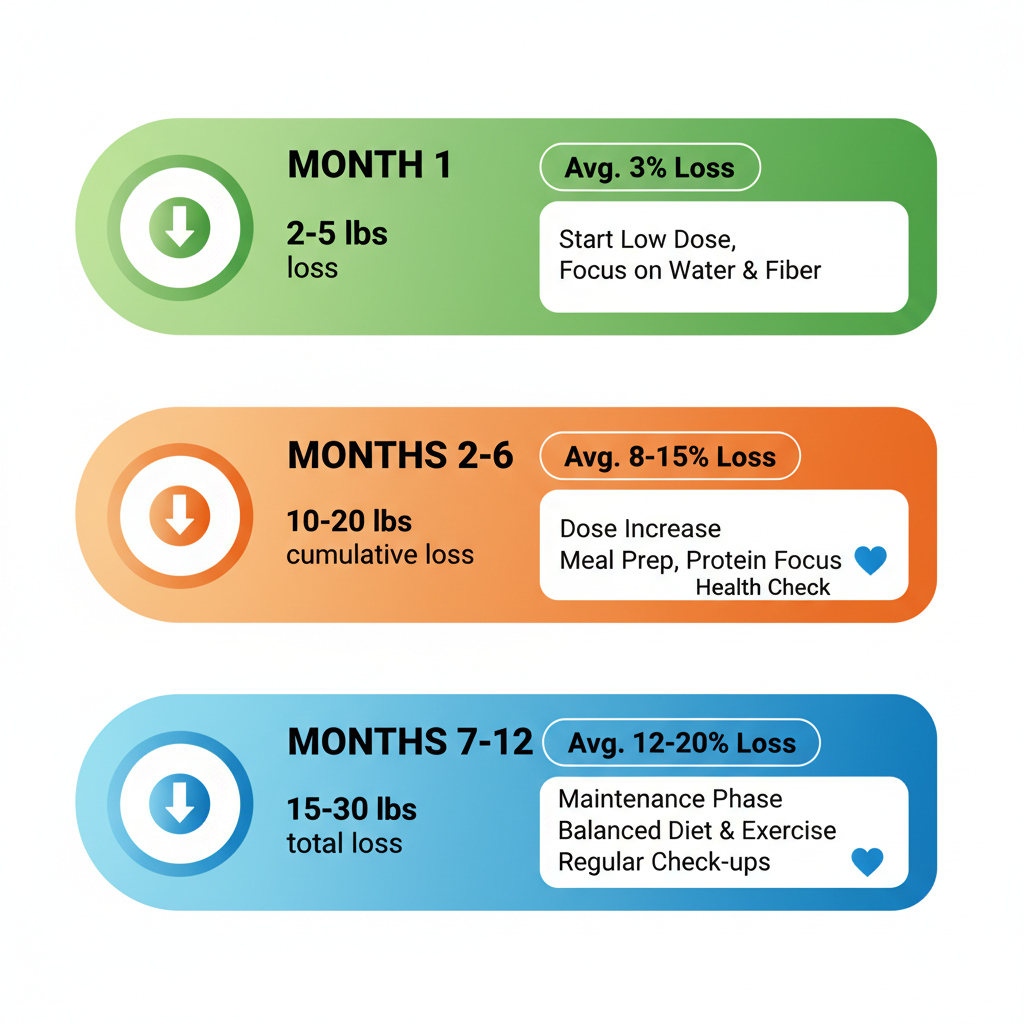
Ozempic weight loss timeline over 12 months with milestones and health tips
Visualizing the full year via tools like progress charts reinforces commitment. This phase empowers users to integrate lessons from earlier semaglutide loss phases into lifelong wellness, celebrating non-scale victories like better sleep or mobility.
Applying Ozempic in Your Weight Loss Journey
Incorporating Ozempic into your routine requires thoughtful integration of lifestyle changes to amplify its effects on appetite suppression and blood sugar control. As you progress through the ozempic dosage for weight loss, starting from 0.25 mg and titrating up to 1 mg or higher, adjustments in eating and movement become essential for sustainable results. This approach not only enhances fat loss but also helps manage common side effects like nausea.
Integrating Diet and Exercise with Ozempic
Ozempic’s ability to reduce hunger makes it easier to adopt a calorie-controlled diet, but tailoring it to dosage phases ensures steady progress. In the initial low-dose weeks, focus on gentle calorie adjustments of 500 daily to avoid overwhelming your system, emphasizing high-protein meals like grilled chicken with quinoa and vegetables to maintain muscle mass. As doses increase, incorporate low-glycemic options such as berries, nuts, and whole grains to stabilize energy levels and prevent blood sugar spikes, aligning with ADA nutrition guidelines that recommend 1.2-1.6 grams of protein per kg of body weight for GLP-1 users.
For exercise, begin with 150 minutes of moderate activity weekly, like brisk walking or cycling, which escalates naturally with higher doses as stamina improves. Studies on GLP-1 agonists show this combination boosts metabolic rate, leading to enhanced fat reduction. Meal planning tip: Prepare small, frequent portions to counter any gastrointestinal discomfort, such as oatmeal with almond butter for breakfast or salmon salads for lunch.
The synergy between diet, exercise, and Ozempic creates a powerful framework for weight management. Evidence from clinical trials indicates that structured lifestyle changes can double the rate of loss compared to medication alone, with optimized habits yielding up to 15-20% body weight reduction over a year.
| Lifestyle Factor | Low Adherence (Minimal Change) | Moderate Adherence (Balanced) | High Adherence (Optimized) | Expected Monthly Loss Boost |
|---|---|---|---|---|
| Diet | Unchanged habits: +1-2 lbs/month | Calorie deficit + protein focus: +3-5 lbs/month | +5-7 lbs/month | 2-4 lbs extra |
| Exercise | Sedentary: baseline | 150 min cardio: +2 lbs/month | +4-6 lbs/month with strength | 1-3 lbs extra |
This table highlights how adherence levels directly influence outcomes during Ozempic treatment. For instance, combining a high-protein diet with strength training can amplify results by 2-4 pounds monthly, as supported by exercise studies on GLP-1 patients, emphasizing the need for personalized optimization to break through standard plateaus.
Monitoring Progress and Adjusting Habits
Effective tracking is key to the ozempic weight loss timeline, helping you gauge how long to lose weight on ozempic based on your unique response. Weigh yourself weekly under consistent conditions, such as mornings after fasting, and log non-scale victories like improved energy or looser clothing to stay motivated. Apps for calorie and step counting provide data-driven insights, revealing patterns tied to dosing impact on loss speed.
Plateaus often occur around months 3-6 due to metabolic adaptation or dose tolerance, but recognizing signs like stalled scale readings allows for timely tweaks. If progress slows, introduce intermittent fasting windows of 12-14 hours or vary workouts to include HIIT, which reignites fat burning per ADA-endorsed strategies for sustained momentum.
Lifestyle modifications, such as swapping processed snacks for veggie sticks, address why you might not be losing weight on Ozempic. Consult your provider if adjustments don’t help, as they may recommend dose increases or complementary therapies to restore efficacy.
Real-World Success Stories and Tips
Many users achieve remarkable transformations by weaving Ozempic into daily life. Take Sarah, a busy professional in her 40s, who started at 0.25 mg and lost 12 pounds in three months by prioritizing protein shakes and daily walks, overcoming nausea with ginger tea. At six months on 1 mg, she reached 18 pounds down, crediting weekly check-ins for catching an early plateau.
Another example is Mike, managing type 2 diabetes, who saw 15 pounds shed in four months through meal prepping low-glycemic salads and gym sessions thrice weekly. He tackled constipation by adding fiber-rich foods, illustrating how small habits sustain the ozempic-enhanced fat reduction period.
For common challenges:
- Nausea management: Eat small meals every 3 hours; try bland options like rice and bananas.
- Motivation dips: Join support groups or track Ozempic Weight Loss Before and After visuals for inspiration.
- Plateau breakers: Cycle carbs or add yoga for stress reduction, boosting adherence.
These stories underscore that with empathetic adjustments, 10-20 pound losses at six months are realistic, paving the way for long-term wellness.
Advanced Strategies for Ozempic Success
For individuals progressing beyond initial Ozempic use, advanced strategies can enhance weight loss outcomes while addressing common challenges like plateaus and metabolic slowdowns. These techniques build on the standard protocol, focusing on dose adjustments and complementary approaches under medical supervision. Always consult your healthcare provider before implementing changes, as individual responses vary based on factors such as age, metabolism, and comorbidities.
Dose Escalation for Accelerated Progress
If you’ve reached a weight loss plateau after several months on the standard ozempic dosage for weight loss, escalating to the maximum dose of 2.4 mg may provide renewed momentum. Clinical trials, including the SELECT study, demonstrate that higher doses can accelerate fat reduction by enhancing GLP-1 receptor activation, leading to greater appetite suppression and improved insulin sensitivity. For example, patients often see an additional 5-10% body weight reduction in the following six months compared to maintenance at lower levels. However, this step requires gradual titration over four weeks to minimize gastrointestinal side effects like nausea. Endocrinology reviews emphasize monitoring for sustained efficacy, recommending escalation only if progress stalls below 5% annual loss. Addressing how long to lose weight on ozempic at higher doses, expect noticeable velocity in the extended reduction period, potentially doubling standard rates for responsive individuals.
The following table contrasts outcomes between standard and higher doses, drawing from trial data on plateau resolution and long-term totals:
Higher Dose vs. Standard: Weight Loss Acceleration
| Aspect | Standard Dose (1 mg) | Higher Dose (2.4 mg) | Risks/Benefits | Recommendation |
|---|---|---|---|---|
| 6-Month Loss | 10-12% | 14-18% | Faster but more GI issues | Consult doctor for escalation |
| 12-Month Loss | 15-20% | 20-25% | Higher efficacy vs. tolerance | For plateaus only |
This comparison highlights how max dose velocity can resolve stalls but introduces trade-offs in tolerability. Per endocrinology insights, consider increases after six months if initial gains plateau, prioritizing those with obesity-related conditions for cardiovascular benefits observed in long-term studies.
Breaking Through Plateaus
Plateaus occur due to metabolic adaptations where the body adjusts to Ozempic’s effects, reducing calorie burn. To counter this, incorporate plateau breakers like carb cycling, alternating low-carb days with moderate intake to reset insulin response and boost fat oxidation. Combining Ozempic with metformin can further enhance outcomes for insulin-resistant patients, as supported by clinical reviews showing up to 15% additive loss over 12 months. Intermittent fasting windows, such as 16:8 protocols, align well with the medication’s appetite control. Track metrics weekly, and if loss dips below 1% monthly, reassess with bloodwork for thyroid or hormonal shifts. Professional guidance ensures safety, avoiding nutrient deficiencies.
- Advanced Tip: Pair dose tweaks with resistance training three times weekly to preserve muscle mass and elevate resting metabolism.
- Advanced Tip: Hydrate aggressively and monitor electrolytes, as higher doses may increase dehydration risks during rapid loss phases.
Long-Term Maintenance and Reassessment
Sustaining Ozempic success involves transitioning to maintenance phases within the ozempic weight loss timeline, often reducing to 1 mg after achieving target weight to minimize side effects while preserving gains. Annual check-ins are crucial, evaluating metrics like A1C and BMI to confirm ongoing benefits. If yearly loss falls under 5%, it signals time to explore alternatives like tirzepatide or lifestyle intensives. Focus on behavioral anchors, such as meal prepping high-protein options, to combat rebound. Metabolic adaptations can slow progress, so periodic dose cycling prevents tolerance. Consult endocrinologists for personalized plans, ensuring alignment with health goals for enduring wellness.
Frequently Asked Questions About Ozempic Weight Loss
Addressing queries like how long to lose weight on ozempic helps clarify expectations. This FAQ draws from clinical insights for practical guidance.
How much weight can I expect to lose on Ozempic in the first month?
Typically, users see 2-5 pounds initially, as per STEP trials. Factors like diet and exercise influence results, with noticeable changes by week 4. Combine with lifestyle tweaks for better outcomes.
What is the initial onset of weight loss with Ozempic?
Weight loss often begins within 1-2 weeks after starting, though appetite suppression kicks in sooner. As discussed in timelines, steady progress builds from there.
What is the ozempic weight loss timeline?
Over 6 months, average loss is 10-15% of body weight, per studies. Monthly gains accelerate after the first few weeks, plateauing around year one without adjustments.
How do I fix a weight loss plateau on Ozempic?
Increase activity, refine calorie intake, or consult for dose tweaks. Hydration and sleep help too. Many overcome stalls by revisiting habits from earlier sections.
What is the maximum effective dose of Ozempic for weight loss?
The highest is 2.4 mg weekly, balancing efficacy and side effects. Start low with the ozempic dosage for weight loss to minimize issues, ramping up gradually under medical supervision.
Key Takeaways on Ozempic Weight Loss
Ozempic offers a structured path to weight management, with the typical ozempic weight loss timeline revealing about 5% body weight reduction at 3 months and up to 15% annually, as trials confirm. Success hinges on gradual ozempic dosage for weight loss progression, amplified by diet and exercise synergy, while addressing plateaus through vigilant monitoring.
Consult your healthcare provider to tailor this journey, ensuring safe, personalized milestones on how long to lose weight on ozempic.
Embrace sustainable habits for enduring wellness and transformation.
