Ptosis and blepharoplasty are two terms often encountered in discussions about eye-related surgeries. Ptosis refers to the drooping of the upper eyelid, which can affect one’s vision and appearance. Blepharoplasty, on the other hand, is a surgical procedure to correct deformities or disfigurations of the eyelids. Understanding the differences and the circumstances under which these procedures are recommended can be crucial for anyone considering surgical options.
Understanding Ptosis and Blepharoplasty
Ptosis is a condition that may be present at birth or develop later in life due to aging or injury. The drooping of the eyelid can range from a slight sagging to completely covering the pupil, potentially leading to vision impairment. Blepharoplasty, in contrast, is primarily a cosmetic procedure, often sought to reduce the signs of aging and achieve a more youthful appearance.
Blepharoplasty vs Blepharoptosis: Key Differences
While blepharoplasty focuses on removing excess skin, fat, or muscle from the eyelids for aesthetic reasons, blepharoptosis specifically addresses the functional issue of eyelid drooping. An individual with blepharoptosis might undergo surgery to improve their field of vision, whereas someone opting for blepharoplasty might do so for aesthetic enhancement.
Ptosis Repair vs Blepharoplasty: Treatment Goals
Both ptosis repair and blepharoplasty can involve surgery, yet their goals differ significantly. Ptosis surgery aims to correct the eyelid droop to restore vision and improve eye function. Blepharoplasty mainly targets the aesthetics of the eye area, removing puffiness and sagging skin to create a more rested look.
Blepharoptosis Repair Techniques
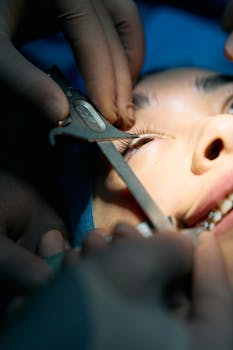
The surgical options for blepharoptosis repair depend on the cause and severity of the ptosis. Levator resection and Muller muscle resection, also known as mullerectomy, are common techniques. These procedures typically strengthen or shorten the muscles responsible for lifting the eyelid.
Mullerectomy vs Blepharoplasty: Surgical Decisions
The decision between a mullerectomy and blepharoplasty is guided by whether the primary concern is functional or cosmetic. Mullerectomy is a technique used in blepharoptosis repair that involves the resection of the Muller muscle to enhance eyelid lifting. It’s often chosen when a more subtle correction is required.
There’s more to eye surgeries than ptosis and blepharoplasty. For patients considering cosmetic enhancements to their appearance, exploring non-surgical options such as fat transfer can be of interest. Learn about the cost and what to expect from fat transfer breast augmentation in our detailed guide.
Who Should Consider Ptosis Surgery vs Blepharoplasty?
Individuals experiencing vision obstruction due to eyelid drooping should consult with a healthcare provider to assess the necessity for ptosis surgery. In contrast, those seeking cosmetic improvement to reduce signs of fatigue or aging in the eye area might opt for blepharoplasty. It’s essential to discuss potential risks and benefits with a qualified surgeon to decide on the most suitable procedure.
Individuals seeking more knowledge on the medical aspects of these procedures can refer to reliable sources such as Wikipedia’s comprehensive page on Blepharoplasty.
In closing, ptosis and blepharoplasty serve distinct purposes within the realm of eye surgeries. While ptosis repair focuses on functional improvements, blepharoplasty caters to cosmetic needs. Consulting with healthcare professionals can help determine which procedure, if any, is appropriate for individual situations.
Takeaways
- Ptosis and blepharoplasty address different problems: functional vs cosmetic.
- Ptosis repair aims to enhance vision by correcting droopy eyelids.
- Blepharoplasty often targets signs of aging related to the eyelid area.
- A healthcare provider can help determine the most suitable eye surgery.
- Understanding your goals is crucial in choosing between ptosis surgery and blepharoplasty.
FAQ
What is ptosis?
Ptosis is the drooping of the upper eyelid, which can affect vision and is treated with surgery if it obstructs the visual field.
How does blepharoplasty differ from ptosis repair?
While blepharoplasty is cosmetic, removing excess skin or fat from the eyelids, ptosis repair is functional, addressing eyelid drooping that impairs vision.
Are there risks associated with blepharoplasty?
As with any surgery, blepharoplasty carries risks like infection, bleeding, or asymmetry. Discuss these with your surgeon before proceeding.
Who is a candidate for blepharoptosis repair?
Individuals with significant eyelid drooping that impairs their vision may be candidates for blepharoptosis repair. A healthcare provider can provide guidance.
Can ptosis and blepharoplasty be performed together?
In some cases, both procedures are performed together to achieve both functional and aesthetic improvements, but this depends on individual needs and the surgeon’s assessment.