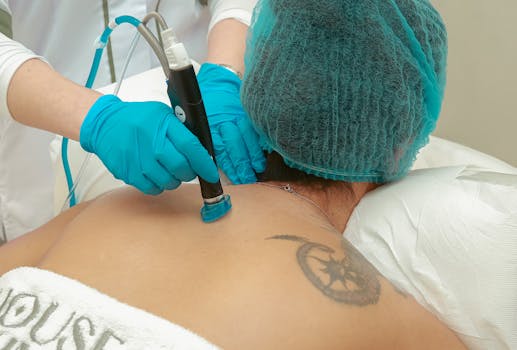
Fat transfer, also known as fat grafting, is a popular cosmetic procedure where fat is removed from one area of the body and injected into another. This process helps enhance volume and shape. While the procedure boasts numerous benefits, patients often wonder about the recovery process, especially concerning bruising after fat transfer. This natural response of the body can vary depending on several factors, and understanding what to expect can help manage recovery more effectively.
Understanding Bruising After Fat Transfer
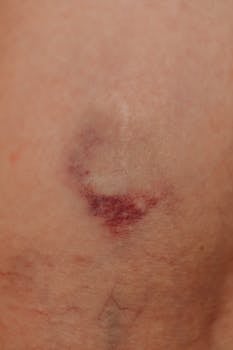
Bruising is a common occurrence after a fat transfer procedure due to the manipulation and movement of tissues. The degree of bruising varies based on individual factors such as skin sensitivity and the specific areas treated. Typically, bruising results from the capillaries being disrupted or broken during the procedure, allowing blood to seep into surrounding tissues, manifesting as visible discoloration.
Factors Affecting Bruising
Several factors can influence the extent of bruising after fat transfer. These include:
- Area of Treatment: Certain areas, such as under the eyes or around the chin, may bruise more easily due to thin skin.
- Individual Skin Characteristics: Skin tone, texture, and elasticity can impact how bruising appears and resolves.
- Surgeon’s Technique: Surgeons skilled in minimizing trauma to the tissues typically result in less bruising.
- Patient’s General Health: Conditions affecting blood clotting or circulation, as well as medications and supplements, can affect bruising and recovery.
Minimizing Bruising and Promoting Recovery
While bruising is expected, there are several steps you can take to minimize its appearance and aid in faster recovery:
- Pre-Procedure Preparation: Discontinue blood-thinning medications and supplements under medical guidance, and maintain a healthy diet.
- Post-Procedure Care: Follow the surgeon’s aftercare instructions meticulously, which may include wearing compression garments to reduce swelling.
- Natural Remedies: Consider using arnica or vitamin K creams, as they may help to reduce bruising.
- Cold Compresses: Applying cold compresses intermittently can constrict blood vessels and minimize new bruising in the first 48 hours post-procedure.
Timeline for Bruising
The timeline for healing from bruising after fat transfer can vary, but generally, patients can expect to see:
- Initial Stage (1-3 Days): Bruising may darken initially as blood starts to oxidize.
- Mid Recovery (4-10 Days): Bruises begin to fade and change colors, often turning yellow or green as they heal.
- Final Stages (2 weeks and beyond): Most bruising should be significantly diminished. However, some may experience light remnants of bruising that continue to fade.
When to Seek Medical Advice
While bruising is normal, there are instances where you should consult with your surgeon or healthcare provider, particularly if you experience:
- Severe pain or discomfort that does not subside with prescribed medication.
- Signs of infection, such as pus, redness, and heat in the treated area.
- Abnormal bleeding or bruising that continues to worsen instead of improve.
If you’re considering fat grafting to the breasts, an in-depth overview may provide valuable insights into the procedure. For a comprehensive look, explore our practical overview on fat transfer breast augmentation.
For general information on health, including post-surgery symptoms and recovery, you can visit Wikipedia’s health page for additional resources.
Conclusion
While bruising after fat transfer is a common and natural part of recovery, understanding the factors that influence it and how to manage its appearance can enhance your postoperative experience. By following your surgeon’s guidance and taking proactive steps in your care, you can look forward to the final aesthetic results while maintaining comfort and safety throughout your recovery.
- Bruising is a typical response after fat transfer, influenced by personal and procedural factors.
- Preparation and aftercare are crucial in minimizing bruising.
- Most bruising resolves significantly within two weeks.
- Consult healthcare providers if unexpected symptoms, like severe pain or infection, arise.
- Understanding post-procedure expectations enhances recovery experience.
FAQ
How long does bruising last after fat transfer?
Bruising usually begins to fade within 1-2 weeks, although the duration can vary based on individual health and the area treated. Full resolution may take a little longer for some.
Can bruising be prevented after fat transfer?
While it’s not possible to entirely prevent bruising, it can be minimized by following pre and post-operative care instructions, including avoiding blood thinners and using cold compresses.
Is bruising after fat transfer a sign of a problem?
Bruising is a normal part of the healing process. However, if you notice severe or worsening bruising, or other unusual symptoms, you should contact your healthcare provider.
What should I avoid after a fat transfer to prevent increased bruising?
Avoid strenuous activities that could strain the treated areas, and refrain from taking anti-inflammatory medications unless recommended by your doctor, as these can exacerbate bruising.
When can I expect to see the final results of my fat transfer?
The final results may take several months to appear as swelling decreases and the fat settles. Patience and adherence to recovery guidelines will yield the best outcome.