
Table of Contents
Exploring the 96-Hour Fast: Safety First
In today’s wellness landscape, extended fasting practices like the 96 hour fast precautions are gaining attention among health enthusiasts seeking deeper metabolic benefits. This four-day water-only commitment promises detoxification, weight loss, and a potential reset for the body’s systems, but it demands careful approach to avoid pitfalls.
A 96-hour fast involves abstaining from all food and caloric beverages for 96 hours, relying solely on water, black coffee, or tea. While appealing for its simplicity, Is It Safe to Fast for 4 Days, it carries risks such as dehydration, electrolyte imbalances, and nutrient deficiencies. According to the 4-Day Fast Benefits & Risks Guide, up to 70% of fasters experience fatigue, underscoring the need for four-day fast safety measures. Those with chronic conditions like diabetes or heart disease should avoid it entirely. Understanding how to prepare for a 96 hour fast, including medical consultation and gradual easing into the practice, is crucial for mitigating these concerns.
What breaks a 96 hour fast–such as any caloric intake–can undermine the process, so adhering to extended water fasting guidelines helps maintain integrity. As we explore this further, remember to consult a healthcare provider before starting. Upcoming sections delve into benefits and best practices to guide your journey safely.
Understanding the 96-Hour Fast
A 96-hour fast involves abstaining from caloric intake for four full days, typically consuming only water, black coffee, or tea to support the body’s natural detoxification and metabolic reset. This prolonged fasting approach triggers significant physiological changes, including ketosis where the body burns fat for fuel after depleting glycogen stores. While it offers potential benefits like improved insulin sensitivity and autophagy, understanding the fundamentals is crucial for safe participation. This section explores key aspects to help you navigate extended water fasting responsibly.
Risks and Health Considerations
Embarking on a 96-hour fast requires awareness of 96 hour fast precautions to mitigate prolonged fasting risks. Metabolic shifts can lead to electrolyte imbalances, as the body loses sodium, potassium, and magnesium through increased urination, potentially causing fatigue, dizziness, or irregular heartbeats. Dehydration affects up to 80% of extended fasters, per insights from water fasting overviews, exacerbating symptoms like headaches and dry mouth.
- Cardiovascular strain: Low blood sugar and electrolyte loss may heighten heart rate, posing risks for those with pre-existing conditions; monitoring pulse is essential to avoid arrhythmias.
- Muscle breakdown: After 72 hours, the body may catabolize proteins, leading to weakness–pair this with light activity to preserve mass.
- Hypoglycemia: Blood glucose drops can cause shakiness or confusion, especially in diabetics; symptoms often resolve with rest but warrant immediate medical attention if severe.
These effects underscore the need for gradual entry and exit from fasting, balancing potential autophagy benefits with safety measures to prevent complications.
Preparation Essentials
How to prepare for a 96 hour fast involves strategic water fast setup strategies over 3-5 days to ease metabolic transitions. Start by consulting a healthcare provider for baseline checks, particularly if you have chronic conditions, ensuring no underlying issues like thyroid imbalances.
- Gradual calorie reduction: Taper intake from 2,000 calories daily to 800-1,000 over a week, focusing on whole foods like vegetables and lean proteins to stabilize blood sugar and reduce digestive shock.
- Hydration buildup: Increase water consumption to 3-4 liters daily, adding electrolytes via broths or supplements to preempt imbalances–remember, what breaks a 96 hour fast includes anything caloric, so stick to plain water, herbal teas, or black coffee.
- Nutrient loading: Boost magnesium and potassium through foods like spinach and avocados in the lead-up, mimicking fasting’s demands without restriction.
- Lifestyle adjustments: Incorporate light exercise like walking and prioritize sleep to build resilience, tracking symptoms in a journal.
Should I stop taking protein before a 96 hour fast? Yes, phase it out gradually to avoid rebound hunger. These steps, informed by electrolyte-focused guidelines, promote a smoother experience and minimize side effects.
Who Should Avoid Extended Fasts
Certain groups face heightened prolonged fasting risks, making extended fasts inadvisable without professional oversight. Pregnant or breastfeeding individuals should avoid them entirely, as nutrient demands support fetal development and milk production–fasting could lead to malnutrition or low birth weight.
Those with metabolic disorders, such as type 1 diabetes, risk severe hypoglycemia or ketoacidosis; similarly, individuals with eating disorders may trigger relapse. Bold warning: Heart conditions amplify cardiovascular strain, with arrhythmia risks rising due to electrolyte shifts–always consult a cardiologist first.
Elderly adults or those on medications like blood thinners face dehydration and interaction issues, while underweight people risk further muscle loss. Examples include a 2022 case study where a prediabetic participant experienced fainting from unmanaged lows. Emphasize medical consultation for personalized assessment, ensuring fasting aligns with health status to maximize benefits like weight management while prioritizing safety.
Potential Benefits of a 96-Hour Fast
A 96-hour fast offers several potential advantages backed by emerging research, from enhanced metabolic function to sharper mental acuity. These four-day fasting perks can contribute to overall well-being when approached mindfully. Incorporating Fasting Safety Tips ensures individuals maximize these extended fast wellness gains without undue risks.
Metabolic and Weight Loss Advantages
During a 96-hour fast, the body shifts into ketosis typically after 24 to 48 hours, prompting it to burn stored fat for energy instead of glucose. This process accelerates weight loss by tapping into fat reserves, potentially leading to sustainable management of body composition. Autophagy, the cellular repair mechanism, peaks around 72 hours as noted in the 4-Day Fast Benefits & Risks Guide, where damaged cells are recycled for efficiency and longevity.
Key metabolic benefits include:
- Efficient fat utilization: Promotes breakdown of adipose tissue, aiding in reducing visceral fat linked to chronic conditions.
- Improved energy regulation: Stabilizes blood sugar levels through depleted glycogen stores.
To optimize these outcomes, consider how to prepare for a 96 hour fast by easing into it with lighter meals beforehand. However, 96 hour fast precautions are essential, as results vary based on factors like age and activity level. Studies suggest participants may lose 3 to 5 pounds, primarily water and fat, fostering long-term habits for balanced nutrition.
Mental Clarity and Detoxification
Extended fasting often brings heightened mental focus due to reduced inflammation and stabilized ketone production, which serves as an alternative brain fuel. Many report enhanced cognitive function, with clearer thinking emerging after the initial adaptation phase. Physiologically, the liver prioritizes detoxification, eliminating accumulated toxins through processes like enhanced enzyme activity.
Detoxification perks encompass:
- Toxin clearance: Supports liver function in filtering waste, potentially alleviating subtle toxicities from diet.
- Inflammation reduction: Lowers markers like C-reactive protein, contributing to better mood regulation.
Anecdotes from fasters highlight sharper concentration during work or creative tasks, aligning with research on ketone benefits for neural health. Maintaining purity means understanding what breaks a 96 hour fast, such as even small caloric intakes, to fully realize these cognitive boosts. Digestive rest during this period allows the gut microbiome to reset, promoting overall mental resilience.
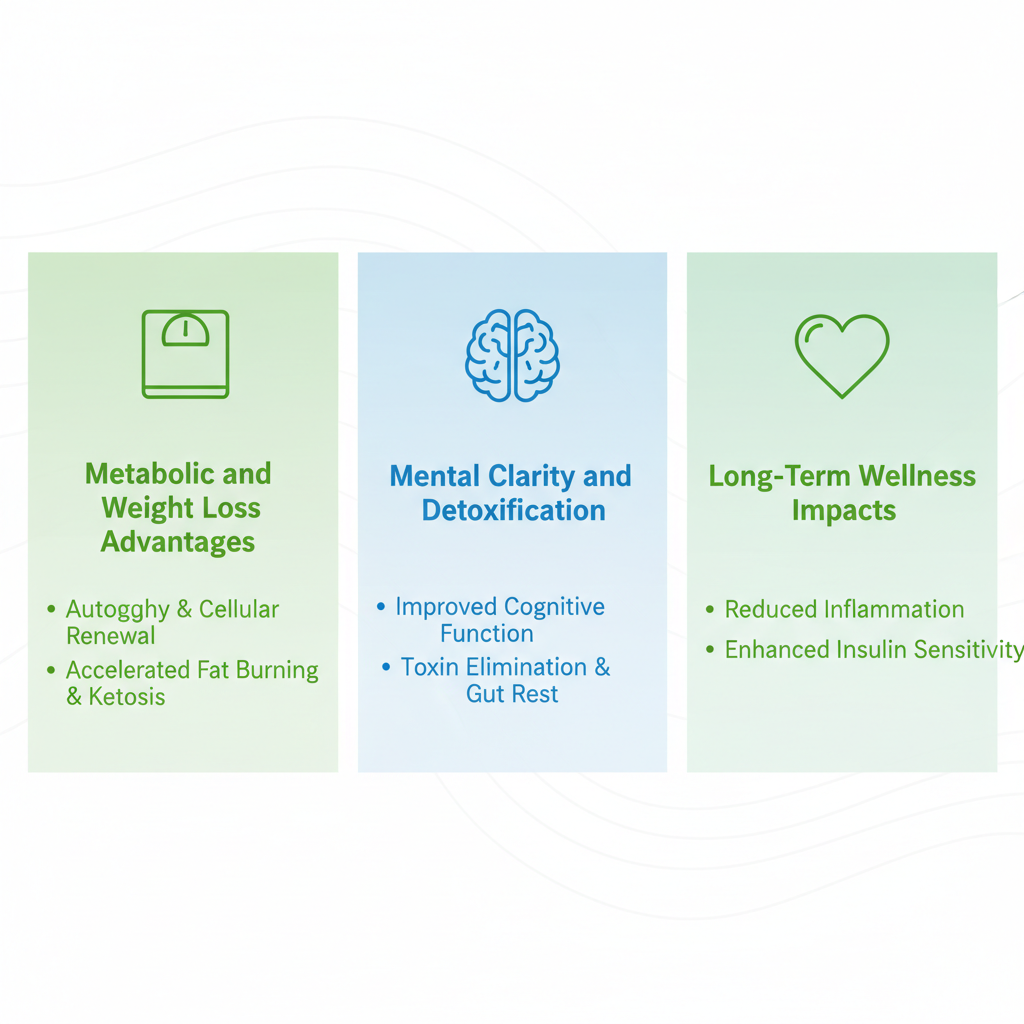
Key benefits of 96-hour fasting: weight loss, clarity, and wellness impacts
This visual underscores how such practices integrate into daily life, with many experiencing sustained energy post-fast.
Long-Term Wellness Impacts
Over time, a 96-hour fast may improve insulin sensitivity by giving the pancreas a break, potentially lowering diabetes risk as shown in intermittent fasting studies. Reduced chronic inflammation supports joint health and cardiovascular function, while cellular rejuvenation from autophagy could extend healthy lifespan markers.
Wellness projections include:
- Enhanced metabolic health: Better glucose control aids in preventing metabolic syndrome.
- Immune modulation: Temporary calorie restriction may strengthen adaptive responses.
Individual variability plays a key role; what yields profound extended fast wellness gains for one may require adjustments for another. Brief references to trials indicate up to 20% improvement in insulin response post-fast. Embracing 96 hour fast precautions, like hydration and electrolyte balance, ensures these long-term effects contribute positively without setbacks, promoting holistic vitality for diverse lifestyles.
How a 96-Hour Fast Works in Your Body
A 96-hour fast triggers profound shifts in your metabolism, moving from carbohydrate reliance to fat burning while promoting cellular repair. This process, often outlined in a 96 hour fast guide, helps the body adapt to energy scarcity, lowering insulin levels and enhancing fat utilization. Understanding these changes prepares you for the journey, highlighting the importance of listening to your body’s signals.
Day-by-Day Physiological Changes
On Day 1, your body depletes glycogen stores in the liver and muscles, typically within 12-24 hours, leading to an initial energy dip as it transitions from quick carbs to stored fats. Insulin levels drop sharply, signaling the start of fat breakdown, which might cause mild fatigue or headaches–common as blood sugar stabilizes. This phase sets the foundation for deeper fasting timeline effects, much like a car switching fuels mid-journey.
By Day 2, ketosis kicks in around 48 hours, where the liver converts fatty acids into ketones for brain fuel, boosting mental clarity for some while curbing hunger. Energy shifts become noticeable, with the body relying less on glucose. Preparing mentally during this onset, as in how to prepare for a 96 hour fast, eases the adaptation.
Day 3 marks peak autophagy, where cells recycle damaged parts for repair, aiding longevity and reducing inflammation–think of it as a deep spring cleaning at the cellular level. Hormone balances, including growth hormone rise, support muscle preservation.
On Day 4, full metabolic adaptation occurs, with sustained ketosis and improved insulin sensitivity, often leaving fasters feeling energized and focused. Personalization matters; consult a doctor if you have health conditions.
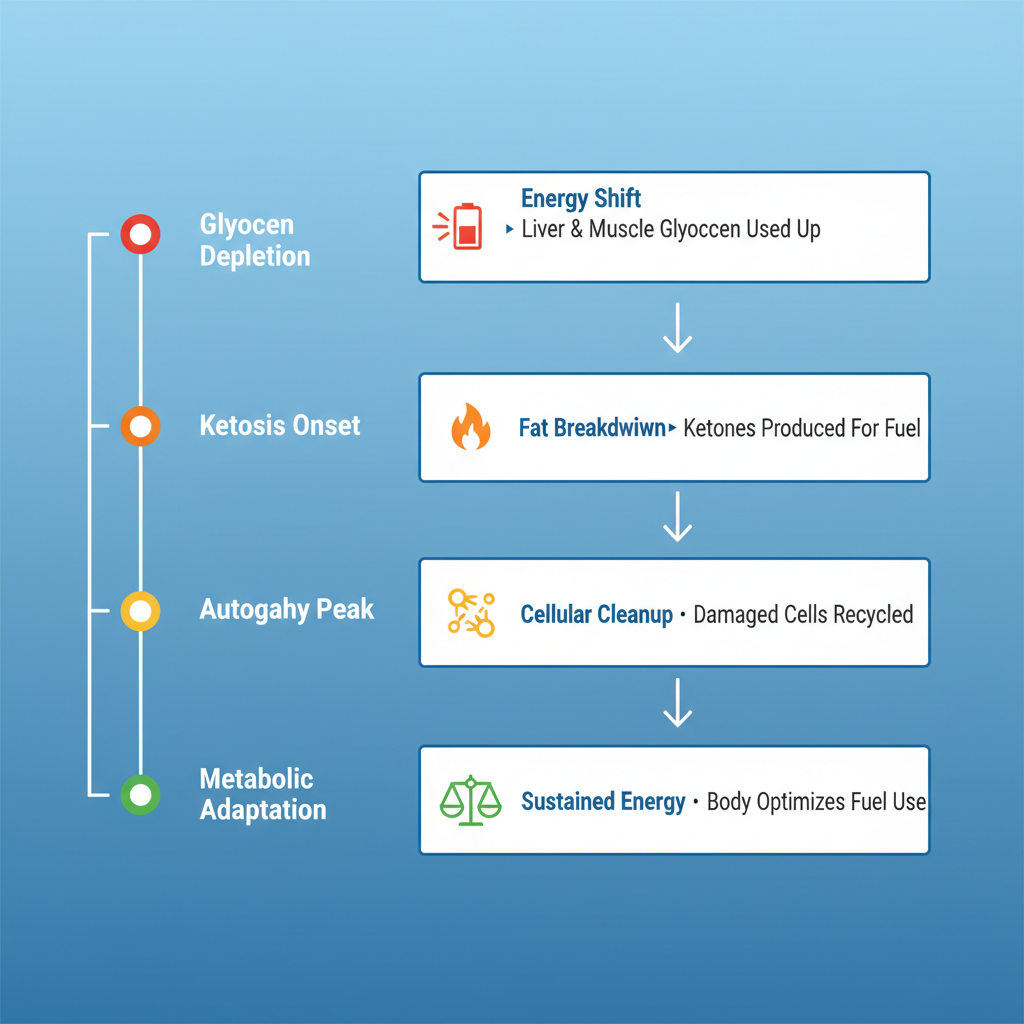
Timeline of body changes during a 96-hour water fast
This visual underscores the progressive nature of these shifts, helping you anticipate each stage’s unique demands and benefits.
Hydration and Nutrient Dynamics
Water plays a crucial role during a 96-hour fast, maintaining hydration as the body loses fluids through increased urination from lower insulin. Aim for at least 2-3 liters daily to prevent dehydration, which can mimic hunger or cause dizziness. Electrolytes like sodium and potassium become vital post-Day 1 to avoid imbalances, often supplemented via salt in water.
What maintains the fast focuses on zero or near-zero calorie intakes. Black coffee and unsweetened tea are safe, as they contain negligible calories–under 50 daily won’t disrupt ketosis, per caloric thresholds from fasting research. Bone broth in moderation helps with electrolytes without spiking insulin significantly.
To address common queries on what breaks a 96 hour fast:
- Do electrolytes break a 96 hour fast? No, if calorie-free like salt or supplements without sugar.
- Does coffee break a four day fast? Plain black coffee does not, due to its minimal impact on insulin.
- What liquid does not break a fast? Water, herbal teas, and black coffee qualify, supporting the fasting state.
Avoid anything with calories, like juices or sweetened drinks, as they halt ketosis. These dynamics ensure the fast’s benefits, tailored to your tolerance.
Breaking the Fast Properly
Refeeding after a prolonged fast requires caution to avoid digestive upset or refeeding syndrome, where rapid nutrient influx causes electrolyte shifts. Start slowly over 1-2 days, beginning with small volumes to reacclimate your gut. Key to safely reintroducing food after a 4-day fast involves liquids first, then solids.
Step 1: Begin with clear broths or vegetable juices (4-8 ounces) every few hours on Day 5, providing gentle electrolytes without overwhelming the system.
Step 2: Introduce light foods like watermelon, bone broth soups, or steamed veggies after 12-24 hours, chewing thoroughly to ease digestion.
Step 3: Gradually add proteins and fats, such as eggs or avocados, by Day 6, monitoring for bloating.
Incorporate 96 hour fast precautions by watching for symptoms like swelling or heart palpitations–seek medical help if they arise. Personalize based on your pre-fast health, and consider professional guidance for refeeding after prolonged fast. This method preserves fasting gains while restoring energy steadily.
Best Practices for a Safe 96-Hour Fast
Embarking on a 96-hour fast requires careful planning to ensure safety and effectiveness. These best practices draw from safe fasting protocols, emphasizing preparation and awareness to help beginners navigate the process without unnecessary risks. Always consult a healthcare professional before starting, especially if you have underlying conditions. By following these prolonged fast dos and don’ts, you can maintain energy levels and minimize discomfort throughout the four days.
Monitoring and Hydration Strategies
Effective monitoring forms the cornerstone of 96 hour fast precautions, allowing you to track your body’s response and catch potential issues early. Start with daily weigh-ins each morning after using the bathroom, and maintain a symptom log noting energy levels, headaches, or dizziness. Use a simple journal or app to record these details, aiming to identify patterns that might signal dehydration or electrolyte imbalance. If symptoms like severe fatigue or irregular heartbeat arise, break the fast immediately and seek medical advice.
Hydration remains critical during this period. According to water fasting guidelines, aim for 2-3 liters of water daily to support fluid balance and sustain energy. Incorporate herbal teas or black coffee in moderation to vary intake without compromising the fast. For deeper insights into bodily changes, explore what happens day by day on a 96 hour fast, which can guide your expectations. These steps promote a structured approach, helping you stay attuned to your well-being over the 96 hours. (148 words)
Supplements and Activity Guidelines
Navigating supplements during a fast involves understanding what breaks a 96 hour fast to preserve its benefits. Electrolytes like sodium, potassium, and magnesium are generally safe and recommended if approved by your doctor, as they help prevent cramps and fatigue without caloric intake. Opt for zero-calorie options such as salt in water or dedicated fasting electrolyte powders. Avoid zero-sugar sodas, as artificial sweeteners might trigger insulin responses in some individuals, potentially disrupting autophagy.
For activities, prioritize low-impact exercises to maintain circulation without overexertion. Light walks of 20-30 minutes daily can boost mood and digestion upon refeeding, but steer clear of strenuous workouts like weightlifting or running, which could lead to dizziness or muscle strain. Here’s a quick checklist for safe movement:
- Engage in gentle stretching or yoga for flexibility.
- Rest if feeling lightheaded; listen to your body.
- Avoid high-intensity interval training or sports.
These guidelines ensure you support recovery while adhering to prolonged fast dos and don’ts. (152 words)
Daily Routine Adjustments
How to prepare for a 96 hour fast starts with thoughtful routine tweaks to enhance comfort and mental resilience. Structure your days around ample sleep, targeting 7-9 hours nightly to aid hormone regulation and reduce hunger pangs. Incorporate rest periods, such as afternoon naps, to conserve energy and prevent burnout.
Mindset techniques play a key role in endurance. Practice meditation or deep breathing for 10 minutes twice daily to manage stress and cravings. A sample schedule might include: morning hydration and light walk, mid-day journaling and rest, evening relaxation with reading or podcasts. Prepare meals in advance for breaking the fast gently with bone broth or clear soups to avoid digestive upset.
Tailor these adjustments for beginners by starting with shorter fasts to build tolerance. Warn on red flags like persistent nausea, and emphasize professional oversight for personalized advice. This scalable approach makes the experience empowering and sustainable. (150 words)
Key Takeaways for Your 96-Hour Fast
Embarking on a 96-hour fast can be a transformative step in your wellness journey, offering benefits like a metabolic reset, enhanced autophagy, and improved insulin sensitivity. This extended fast wrap-up reinforces how it promotes cellular repair and sustained energy levels once refeeding begins. However, success hinges on mindful practices to maximize gains while minimizing drawbacks.
In this fasting safety recap, prioritize 96 hour fast precautions such as staying hydrated with water and electrolytes, avoiding strenuous activities, and monitoring for signs of fatigue or dizziness. Key risks like nutrient deficiencies or electrolyte imbalances can be mitigated by gradual preparation and gentle breaking of the fast. Remember, how to prepare for a 96 hour fast involves easing into it with lighter meals beforehand, and what breaks a 96 hour fast includes nutrient-dense foods like bone broth or fruits to avoid digestive upset. Always consult a healthcare professional before starting, especially if you have underlying conditions.
Safe fasting improves longevity markers, as noted in wellness research, empowering you to tailor this practice to your needs. Approach your fast with intention for lasting vitality. For deeper insights, explore fasting safety tips on WellnessHQ.net. Disclaimer: This guide is for informational purposes; seek personalized medical advice.
