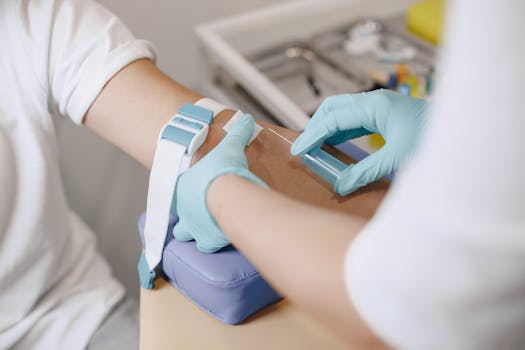
Areola reconstruction is a significant procedure for many individuals following mastectomy or breast surgery. It offers the opportunity to restore a natural appearance to the breast area, enhancing both physical appearance and psychological well-being. For those who have undergone surgery or have congenital areola abnormalities, this technique can be life-changing.
Understanding Areola Reconstruction
The process of areola reconstruction involves various techniques aimed at creating a realistic appearance for the nipple and areola. This can greatly aid in boosting the confidence and self-image of individuals affected by breast surgery.
Common Techniques Used
There are several methods available for areola reconstruction. Choosing the right technique depends on individual conditions, preferences, and goals.
- Tattooing: Medical tattooing or micropigmentation is a popular approach where pigments are used to create a natural color and 3D effect for the areola and nipple.
- Skin Grafting: Grafting involves transferring skin from another part of the body to the breast to create an areola. This is often considered when natural tissue reconstruction is desired.
- Composite Grafting: This method combines autologous tissue reconstruction with tattooing, providing both texture and realistic color.
Who Can Benefit?
Nipple and areola reconstruction may be an appropriate consideration for individuals who have had a mastectomy, breast reduction, or breast augmentation. Additionally, those born with congenital differences in areolar or nipple appearance can benefit from these surgical and non-surgical options. Consulting with a board-certified plastic surgeon is crucial to determine the most appropriate procedure tailored to each individual’s needs.
The Psychological Impact
Beyond the physical transformation, the psychological benefits of areola reconstruction are profound. Reconstructing the nipple and areola can serve as a significant step in the emotional healing process following breast cancer or other breast-affecting conditions. Many patients report improved body image, self-esteem, and a sense of closure or wholeness post-reconstruction.
Risks and Considerations
As with any medical procedure, areola reconstruction comes with potential risks and complications. Choosing a skilled and experienced healthcare provider can minimize risks such as infection, pigmentation anomalies, or scarring. Discussing the potential benefits and risks with the healthcare provider is essential for making an informed decision.
For those considering additional cosmetic adjustments, resources on fixing uneven breasts may be helpful. Understanding all available options can lead to more comprehensive and satisfying outcomes.
The Process of Areola Reconstruction
The process of areola reconstruction typically involves several stages, from consultation and planning to the final touch-ups. It often takes a few months to complete the procedure and achieve the final results. Follow-up appointments are crucial to ensure healing is progressing well and to address any issues early.
Before the Procedure
Prior to undergoing areola reconstruction, a detailed assessment is conducted by the healthcare provider. Discussing expectations, understanding potential risks, and exploring available techniques are essential steps.
The Procedure
The choice of technique significantly impacts the procedure itself. While tattooing is a relatively quick and minimally invasive option, surgical methods will involve more time and recovery. Local anesthesia is commonly used to ensure comfort during the procedure.
Post-Procedure Care
Post-operative care is a critical component of achieving the desired results. Instructions may include keeping the area clean, avoiding strenuous activities, and monitoring for any signs of complications such as infection.
Recovery Timeline
Recovery timelines can vary depending on the technique used. Tattooing generally requires less downtime, whereas surgical options may necessitate a longer recovery. It’s essential to follow the healthcare provider’s post-procedure guidelines diligently.
For more in-depth information about health and safety, you may visit health resources on Wikipedia.
Conclusion: Embracing Change Through Areola Reconstruction
Areola reconstruction is more than a cosmetic procedure; it is a transformative journey that aids in reclaiming one’s body and confidence. For those who have experienced changes due to surgery or other conditions, it represents hope and renewal.
- Areola reconstruction can assist with restoring natural appearance following breast surgery.
- Various techniques include tattooing, skin grafting, and composite grafting.
- Consultation with a certified specialist is critical for optimal outcomes.
- Both physical and psychological benefits are significant.
- Thorough understanding of risks and post-procedure care is imperative.
FAQ
What is areola reconstruction?
Areola reconstruction is a procedure to create a realistic-looking areola following a mastectomy or other breast surgeries, typically through techniques like tattooing or grafting.
Who is a candidate for areola reconstruction?
Individuals who have had mastectomies, breast reductions, or congenital areolar differences may consider areola reconstruction.
How long does recovery take?
Recovery time varies by technique. Tattooing may have a short recovery period, while surgical procedures could take several weeks.
What are the risks?
As with any procedure, risks may include infection, scarring, or pigmentation issues. Discussing these with a surgeon prior to the procedure is important.
Can areola reconstruction affect sensation?
While the procedure is primarily cosmetic, sensation changes can occur, depending on anatomical and procedural specifics. Most patients prioritize the aesthetic benefits.