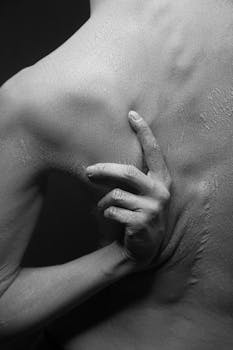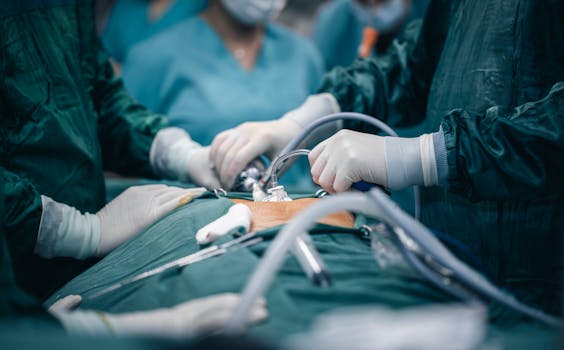
Recovering from lipoma surgery can vary depending on several factors, but understanding the average lipoma removal recovery time helps set realistic expectations. Lipomas are benign tumors composed of fatty tissue, and their surgical removal is generally straightforward, often performed on an outpatient basis. Many people experience minimal discomfort, but recovery can still include a range of experiences and considerations.
Understanding Lipoma Removal Recovery Time
Post-surgical recovery time for lipoma removal typically involves a few key stages. Immediately following surgery, patients might experience some soreness and swelling at the site of removal. Although recovery from lipoma surgery may differ based on the individual and the size and location of the lipoma, most people can resume daily activities fairly quickly.
Immediate Post-Surgery Period
The initial recovery period begins right after surgery. Most lipoma removal procedures are minimally invasive, often leading to a quick and simple healing process. The surgical site will likely be bandaged, and patients should heed their doctor’s advice on wound care and possible activity restrictions.
Factors Affecting Recovery
- Size and Location of the Lipoma: Larger lipomas or those situated in sensitive areas may require longer recovery times.
- Personal Health: Overall health, including age and underlying medical conditions, can influence healing.
- Surgical Technique: The method used by the surgeon could affect recovery duration. Minimally invasive techniques tend to result in faster recovery.
Managing expectations around these variables can help frame how quickly an individual might return to typical activities.
Typical Recovery Milestones
During the first week, most patients experience mild discomfort that can be managed with over-the-counter pain relievers. It is crucial to avoid strenuous activities and follow any specific guidelines provided by healthcare professionals.
After one to two weeks, many people are cleared to resume light activities, although some might still notice slight swelling or bruising. Full recovery and a return to unrestricted activities could generally be expected within four to six weeks, although this timeframe can vary.
Supporting A Smooth Recovery
Proper wound care is vital to prevent infection and promote healing. It involves keeping the surgical site clean and dry and following care instructions provided by healthcare professionals. Additionally, maintaining a balanced diet could support overall healing. Gut health, for instance, plays a significant role in recovery. For insights on enhancing digestion and absorption, you might want to explore how gut bacteria influence your health.
Potential Complications
Although the risk is low, some individuals may encounter complications like infection, bleeding, or delayed wound closure. Noticing increased redness, prolonged pain, or unexpected discharge from the surgical site warrants consulting a healthcare provider for evaluation and guidance.
Follow-Up Care
Attending scheduled follow-up appointments is essential to ensure proper healing and to address any concerns. Healthcare providers might also advise on recognizing signs of complications, reinforcing the importance of monitoring the healing process closely.
The average lipoma removal recovery time generally allows individuals to return to their usual routine within a few weeks. However, personal experiences can differ, and it is always best to follow medical advice to support optimal recovery. For comprehensive insight into health and wellness topics, you can visit this health resource.
Takeaways
- Lipoma removal surgery is usually quick, with minimal discomfort and a smooth recovery.
- Recovery time can vary based on the lipoma’s size, location, and patient’s health.
- Proper wound care is crucial for preventing complications and supporting healing.
- Following medical advice and attending follow-up visits can enhance recovery outcomes.
- Balanced nutrition and overall well-being play supporting roles in the healing process.
FAQs
How long does it take for the surgical site to heal?
Most surgical sites heal within a few weeks. However, complete healing can take up to six weeks, depending on several factors such as size and location of the lipoma and individual health conditions.
Can I shower after lipoma removal surgery?
Usually, patients are advised to keep the surgical area dry for the first 24-48 hours. Afterward, light showering is typically allowed, but it is important to avoid soaking the area and to gently pat it dry afterward.
When can I return to work after lipoma removal?
Most people can return to work within a few days, given that they feel comfortable and their job doesn’t involve strenuous activity. However, it’s advisable to follow the surgeon’s recommendations.
What signs of complications should I watch for?
Signs of potential complications include increased redness, severe pain, excessive swelling, or any discharge from the site. If these occur, contacting a healthcare provider is essential.
Will the lipoma return after removal?
Lipomas do not usually grow back at the same site after removal. However, a person may develop new lipomas elsewhere, as they can occur spontaneously.