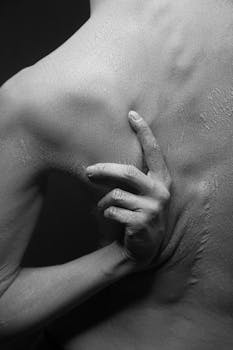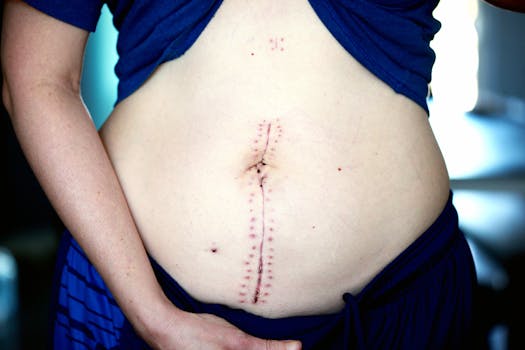
For those seeking advanced solutions to improve the appearance of scars, the concept of using laser for scar tissue offers a promising and modern approach. Whether from surgery, accidents, or acne, scars can impact self-esteem and confidence. As technology evolves, laser therapy has emerged as a highly effective option for reducing scar visibility and promoting skin health.
Understanding Laser for Scar Tissue
Laser therapy involves precisely focused light beams that target the scar tissue. The treatment is designed to smooth out and minimize the appearance of scars by promoting the skin’s natural healing process. By encouraging collagen production, laser therapy can help the skin regenerate, ultimately resulting in a smoother, more even texture.
There are several types of laser treatments available, each with its unique benefits tailored to different skin types and scar depths. This personalized approach makes laser therapy an appealing choice for many individuals looking to address their scar concerns.
Types of Laser Treatments
The choice of laser treatment depends on the scar type and the desired outcome. Here’s a look at the most common options:
- Ablative Lasers: These lasers remove the outer layers of the skin, making them effective for deep scars, such as those caused by surgery or severe acne.
- Non-Ablative Lasers: These work beneath the skin surface, targeting the underlying layers to stimulate collagen production. They are ideal for reducing mild to moderate scars without removing any skin.
- Pulsed-Dye Laser: This option targets blood vessels within a scar, reducing redness and improving texture. It is particularly effective for hypertrophic scars and some keloids.
What to Expect During Laser Treatment
Before starting laser therapy, a dermatologist will assess your skin and discuss treatment goals. During the procedure, you might experience a mild discomfort, often described as a rubber band snapping against the skin. Topical anesthesia is usually applied to minimize any discomfort.
Post-treatment care includes protecting the treated area from sun exposure and keeping the skin moisturized to aid healing. Most patients see a noticeable improvement after a few sessions, although the number of required treatments varies based on scar characteristics.
Benefits of Laser Therapy for Scar Reduction
Opting for laser for scar tissue offers numerous benefits. Not only does it help reduce scar visibility, but it also enhances skin tone and texture. The non-invasive nature of these treatments ensures minimal downtime, allowing you to continue with your regular activities soon after the procedure.
Additionally, laser therapy is a precise treatment that can be tailored to individual needs, making it a versatile choice for various types of scars. The results are long-lasting, providing increased confidence and satisfaction.
Exploring Alternatives to Laser Therapy
While laser therapy is highly effective, it’s important to consider other options available for scar treatment. Options like topical treatments, silicone sheets, and surgical removal can also be effective, depending on the scar type and location.
For a comprehensive understanding of other treatments and expert guidance on managing scar tissue, visit our detailed guide on scar removal and management techniques.
Consulting a Professional
Before choosing a treatment plan, consulting with a qualified dermatologist or healthcare professional is crucial. They can evaluate your specific case, ensure that laser therapy is appropriate for your skin type, and help avoid potential complications.
Professional evaluation is essential as certain skin tones and conditions can react differently to laser treatments. A healthcare expert will provide invaluable guidance to ensure the best possible outcome.
For more detailed scientific background on laser therapy and its applications in dermatology, consider reviewing the comprehensive resources available on this page.
Takeaways
- Laser therapy is a proven method for improving the appearance of scar tissue.
- Different types of lasers can be used depending on scar characteristics.
- Consulting a dermatologist is key to determining the best treatment plan.
- Treatment involves minimal downtime and significant improvement in skin texture.
- Alternative scar treatments may complement or substitute laser therapy.
FAQs
How does laser therapy work on scars?
Laser therapy uses focused light to target and break down scar tissue, promoting new skin growth and collagen production which results in smoother skin.
Is laser treatment for scars painful?
While some discomfort is normal, akin to a rubber band snap, topical anesthetics are often applied to minimize this sensation during the procedure.
How many laser sessions are typically needed?
The number of sessions varies based on the scar type and depth. Most people notice an improvement after a few sessions; a dermatologist can provide a personalized plan.
Are there any side effects associated with laser therapy?
Common side effects include temporary redness and swelling. It’s important to follow aftercare instructions to minimize any potential risks.
Can all types of scars be treated with laser therapy?
While many scars respond well to laser treatment, very deep or older scars may require a combination of therapies for optimal results. A professional assessment is recommended for personalized advice.