Collagen stimulators have rapidly gained popularity in the skincare industry as a promising method to support the skin’s natural ability to rebuild and rejuvenate. If you’ve been seeking ways to maintain youthful skin, you have likely come across this approach. By enhancing the skin’s collagen production, these treatments aim to achieve a firmer and more resilient complexion. But what exactly are collagen stimulators, and how do they work? In this comprehensive guide, we delve into the science behind collagen stimulators, their benefits, and what to consider when exploring these innovative skincare solutions.
What Are Collagen Stimulators?
Collagen stimulators are substances designed to encourage the skin to naturally boost its collagen production. Collagen, a structural protein, is essential for maintaining skin elasticity and firmness. As we age, our body’s collagen production decreases, leading to wrinkles and sagging skin. Collagen stimulators aim to reverse or mitigate these effects by activating the body’s innate collagen synthesis processes.
Several treatments and ingredients fall under this category, including injectables, topical applications, and dietary supplements. Each works through unique mechanisms but shares the common goal of supporting collagen production.
Types of Collagen Stimulators
Injectable Collagen Stimulators
In the realm of medical aesthetics, injectable collagen stimulators such as poly-L-lactic acid (PLLA) or calcium hydroxylapatite are used to restore facial volume and smooth wrinkles. These treatments can provide long-lasting results, as they not only fill deficits but also help the skin to build collagen from within. It’s important to consult a licensed professional to understand the potential benefits and risks associated with these procedures.
For more insights into specific applications like collagen butt injections, explore our article on pros and cons of collagen butt injections.
Topical Collagen Stimulators
Skincare products formulated with active ingredients such as peptides and retinoids are widely used as topical collagen stimulators. Peptides can mimic the body’s own peptides, signaling the skin to increase its collagen production and improve its texture and resilience. Retinoids, on the other hand, promote cell turnover, which helps reveal newer skin that may be healthier and more collagen-rich.
Dietary Collagen Supplements
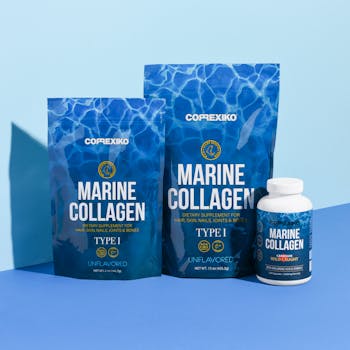
Numerous dietary supplements claim to support collagen production from the inside out. Typically, these supplements contain hydrolyzed collagen peptides, which are believed to be easily absorbed by the body to assist in skin regeneration. While research is ongoing, some studies suggest they might improve skin elasticity and hydration.
Benefits of Collagen Stimulators
The primary benefit of collagen stimulator treatments is their potential to enhance skin firmness and reduce signs of aging. By bolstering collagen levels, they may result in smoother, more youthful-looking skin. Additionally, some collagen stimulators can help improve skin texture and elasticity, offering a more refined appearance.
These treatments may also boost skin hydration, as increased collagen levels often correlate with moisture retention. Consequently, skin that is plumper and better hydrated may also appear more radiant.
Considerations and Precautions
When considering collagen stimulator treatments, it’s crucial to evaluate several factors. Firstly, consult with a dermatologist or a board-certified aesthetic physician to tailor the treatment to your skin type and goals. Understanding potential side effects and the duration of results is vital to making an informed decision.
Topical and injectable treatments may have side effects ranging from minor irritation and redness to more severe reactions in some individuals. Always ensure treatments are administered in professional, accredited settings to maximize safety and efficacy.
Collagen Stimulator: A Path to Rejuvenation
In summary, collagen stimulators can be a valuable addition to your skincare routine, particularly if you aim to maintain a youthful appearance. Whether you choose injectables, topical treatments, or dietary supplements, these methods may support your skin’s natural regeneration processes. For more general health information, consider visiting this comprehensive resource on health.
- Collagen stimulators help promote the body’s natural collagen production.
- Options include injectables, topical treatments, and dietary supplements.
- The primary goal is to enhance skin firmness and reduce aging signs.
- Consult a healthcare provider to choose suitable collagen stimulator treatments.
- Potential side effects exist, emphasizing the need for professional guidance.
What are the main types of collagen stimulator treatments?
Collagen stimulator treatments include injectables like poly-L-lactic acid, topical agents such as peptides and retinoids, and dietary supplements containing hydrolyzed collagen peptides.
How long do results from injectable collagen stimulators last?
The longevity of results can vary depending on the specific product used and individual factors, but they generally last from six months to two years.
Are dietary collagen supplements effective?
Research on dietary collagen supplements is ongoing. Some studies suggest potential benefits for skin elasticity and hydration, but results can vary among individuals.
Can I use topical collagen stimulators daily?
Many topical collagen stimulators, particularly those containing peptides, are formulated for daily use. However, products with retinoids should be used as directed to avoid irritation.
Should I expect side effects from collagen stimulator treatments?
Potential side effects can vary depending on the treatment type. Topicals might cause irritation, while injectables could have more pronounced effects. Professional consultation is advised to navigate these risks. Always talk to a healthcare professional before starting any new treatment.