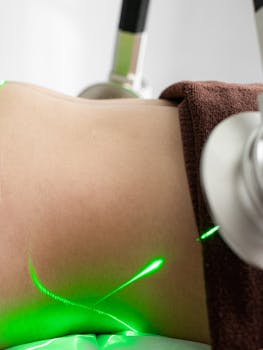
Liposuction is a popular cosmetic procedure, but what happens when liposuction goes wrong? Whether through inexperienced providers or unforeseen complications, the results can be distressing. Understanding potential pitfalls is essential for ensuring a safe and satisfying outcome.
Preventing Liposuction Gone Wrong
Taking preventive steps before undergoing liposuction can make a significant difference. Below are some crucial considerations:
Researching Qualified Surgeons
One of the primary ways to avoid lipo gone wrong is to choose a qualified, board-certified surgeon. Review their credentials, ask for recommendations, and look at reviews from past clients.
Consultation and Communication
During the consultation, openly discuss your goals and concerns. A reputable surgeon will set realistic expectations and explain potential risks, helping you make an informed decision.
Understand the Procedure
Understanding how liposuction works is essential. It involves the removal of fat through suction, and while it can enhance body contours, it is not a weight-loss solution. More intricate details about the process can be explored through articles such as Liposuction and BBL: Expert Tips and FAQs.
Common Pitfalls in Liposuction
Even with the best intentions, liposuction gone wrong can happen. Identifying and understanding common pitfalls helps in planning for successful results.
Unrealistic Expectations
Unrealistic expectations often lead to dissatisfaction. Liposuction should be viewed as a sculpting procedure rather than a solution for significant weight loss.
Choosing the Wrong Provider
Enlisting an inexperienced or unqualified provider increases the risks of complications and poor results. Always verify credentials and certifications.
Ignoring Post-Operative Care
Recovery is crucial for a positive outcome. Ignoring post-operative care instructions, such as wearing compression garments or attending follow-up appointments, can lead to lipo gone wrong.
Overlooking Health Considerations
The ideal candidates for liposuction are those in good health. Pre-existing conditions such as heart disease or diabetes can increase the risk of complications.
How to Ensure Safe Results
Ensuring safe results involves both preparation and post-procedure care. From selecting the right surgeon to following through with recovery, here’s what you need to know:
Pre-Surgery Preparation
Preparing adequately before surgery is vital. It includes medical evaluations and ceasing smoking or certain medications as per your surgeon’s advice.
Adhering to Post-Surgery Instructions
Follow your surgeon’s post-operative instructions diligently. Proper aftercare accelerates healing and minimizes the risk of complications.
Monitoring and Follow-Up
Regular follow-ups allow your surgeon to assess healing and address any concerns promptly. Do not hesitate to contact your clinic if you notice unusual symptoms.
For more in-depth insights on maintaining health post-liposuction, governmental resources like Health on Wikipedia can provide valuable information.
Conclusion: Liposuction Gone Wrong
No one expects their experience to turn into a case of liposuction gone wrong. By taking the necessary preventative measures and ensuring proper care both before and after surgery, the chances of achieving the desired outcome increase significantly.
- Choose a board-certified, experienced surgeon to reduce risks.
- Set realistic expectations for what liposuction can achieve.
- Adhere to all pre- and post-operative instructions from your health provider.
- Engage in routine follow-ups with your surgeon to monitor progress.
- Maintain overall good health for better recovery and results.
What are the risks of liposuction?
Potential risks include infection, scarring, uneven contours, and reaction to anesthesia. Discussing these with your surgeon can provide more clarity.
How can I find a qualified surgeon?
Research board certification, read reviews, and seek referrals from trusted sources. Verify the surgeon’s credentials thoroughly before making a decision.
Is liposuction suitable for weight loss?
No, liposuction is not a weight-loss procedure. It is designed to contour and sculpt areas with stubborn fat, complementing an overall healthy lifestyle.
What is the typical recovery time from liposuction?
Recovery can vary but generally takes several weeks. During this time, adherence to post-operative instructions is critical to prevent complications.
Can health conditions affect liposuction outcomes?
Yes, conditions like diabetes or heart disease can affect healing and outcomes. It is essential to disclose medical history to your surgeon before proceeding.