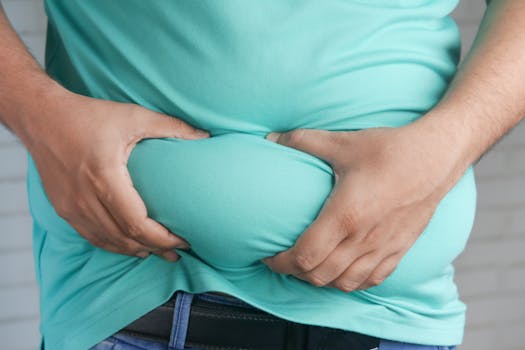
When delving into the question of how much is 5 liters of fat, it’s essential to first understand how fat is measured and weighed. The human body’s fat is typically measured in volume, like liters, but also closely examined in terms of weight because these metrics give insights into health and density. Knowing the weight of fat can help assess changes in body composition and guide certain health-related decisions.
How Much is 5 Liters of Fat in Weight?
To accurately answer how much is 5 liters of fat, one must convert the volume to weight. Fat, which is less dense than water, weighs approximately 0.9 kilograms per liter. With this conversion in mind, 5 liters of fat would weigh around 4.5 kilograms or roughly 10 pounds. This metric is crucial for understanding how changes in body fat percentages or goals might translate into weight changes on the scale.
Why Knowing Fat’s Weight Matters
Understanding the weight of body fat is significant for health and fitness goals. It offers a quantifiable method to track progress during weight loss or weight gain programs. Besides its practical uses in personal health assessments, this knowledge aids medical professionals in research and treatment planning.
The Composition and Density of Fat
Fat in the body isn’t just about stored energy; it’s also about insulation and protecting organs. Because of its lower density compared to other tissues, fat takes up more space for the same weight. This characteristic implies that weight and volume are not directly comparable across body tissues like muscle and bone.
For a deeper understanding of macronutrient impacts on your body, you can read detailed discussions about how much protein affects blood sugar levels through our article here.
Health Considerations Related to Body Fat
While understanding how much 5 liters of fat weighs is important, it is equally crucial to assess how this fat impacts overall health. Excess body fat, particularly visceral fat, can increase the risk of various health issues, including heart disease and diabetes. An informed approach to monitoring fat volume and density can aid in preventing these conditions.
Exploring Methods to Measure and Manage Body Fat
Regular health check-ups and using methods like Body Mass Index (BMI), waist-to-hip ratio, and body fat percentage aids in monitoring fat. Adjusting diet, increasing physical activity, and consulting health professionals can help manage body fat effectively. It is vital to approach these changes consciously and with the guidance of health professionals.
Conclusion
Understanding how much is 5 liters of fat is more than just a calculation. It is a step toward comprehensive health awareness and a component of setting informed health goals. The weight of fat in your body offers insights into its impact on overall health and is a helpful metric in lifestyle management.
To explore broader health-related issues, consider visiting Health on Wikipedia for more information.
Takeaways
- 5 liters of fat weighs approximately 4.5 kilograms or 10 pounds.
- Fat has a lower density than water, affecting its volume-to-weight ratio.
- Understanding fat’s weight can aid in managing health and fitness goals.
- Regular measurement helps in assessing and managing health risks.
- Implement a balanced approach under professional guidance for healthy fat management.
FAQs
What is the average density of body fat?
The average density of body fat is approximately 0.9 kilograms per liter, which is slightly less dense than water.
Why does fat weigh less than other body tissues?
Fat weighs less than other body tissues because it has a lower density, meaning it is less compact per volume unit.
Can body fat percentage be a reliable health indicator?
Yes, body fat percentage is a helpful indicator to assess health, but it should be considered alongside other metrics like BMI and waist-to-hip ratio.
Does losing 5 liters of fat significantly affect weight?
Losing 5 liters of fat can be significant, resulting in approximately 10 pounds of weight loss and potentially improving health markers.
How can I accurately measure my body fat?
Body fat can be measured using several methods, including calipers, bioelectrical impedance analysis, and DEXA scans, often with healthcare provider assistance.