When it comes to managing skin concerns such as keloids, many individuals consider laser removal as a treatment option. Understanding the laser keloid removal cost is a crucial part of considering this treatment. This article explores what you can expect from laser keloid removal, its associated costs, and factors that can influence the overall expense.
Understanding the Laser Keloid Removal Cost
The cost of laser keloid removal can vary significantly based on several factors, including the size and severity of the keloid, location of treatment, and the expertise of the practitioner. Typically, laser keloid removal may range from $500 to $2,000 per session. It’s essential to have a consultation with a qualified dermatologist to get a precise estimate tailored to your specific situation.
Factors Influencing Cost
Several factors can affect the overall cost of laser keloid removal:
- Size and Location: Larger keloids or those in more visible or sensitive areas may require more extensive treatment, impacting the overall cost.
- Number of Sessions: Some keloids may respond well to a single session, while others might require multiple treatments to achieve desired results.
- Geographic Location: The cost of living and medical services in different regions can affect pricing.
- Practitioner’s Experience: Experienced dermatologists or cosmetic surgeons might charge more for their expertise but can also offer more reliable results.
What to Expect During the Procedure
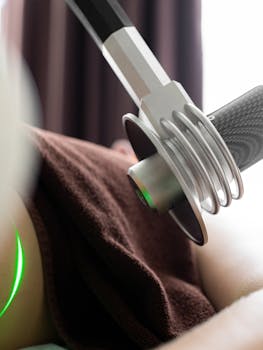
Laser keloid removal is generally performed as an outpatient procedure. The dermatologist will use a specialized laser to target the keloid tissue, helping to flatten and soften the raised scar. Most patients experience mild discomfort, similar to a rubber band snap against the skin, but this varies depending on individual pain tolerance.
After treatment, the area might appear red or swollen, and post-procedure care will be crucial to ensure proper healing. Follow your healthcare provider’s post-treatment recommendations for the best outcomes.
Benefits of Laser Keloid Removal
Laser treatment offers several benefits compared to other keloid treatments. It is less invasive than surgical removal and has a lower risk of recurrence. Additionally, laser treatments can help even out skin tone by reducing pigmentation associated with keloids.
However, results can vary based on individual skin types and the characteristics of the keloid itself. It’s important to have realistic expectations and discuss all potential outcomes with your healthcare provider.
Are There Any Risks Involved?
As with any medical procedure, laser keloid removal comes with its own set of risks. These can include changes in skin pigmentation, mild pain, redness, or swelling in the treatment area. Serious complications are rare but can occur, so it’s important to choose a qualified and experienced practitioner.
Discuss all potential risks and benefits with your dermatologist to make an informed decision. For additional safety and procedure details, you can refer to external resources such as the Health guide on Wikipedia.
Considering Alternatives
While laser treatment is a popular option, it’s not the only one available. Alternative treatments for keloids include steroid injections, cryotherapy, and surgical excision. Each option has its own set of pros and cons, and a combination of treatments is sometimes recommended for optimal results.
For those interested in comparing options, our detailed guide on keloid removal costs and methods offers further insights.
Conclusion
Understanding the laser keloid removal cost is an essential step in deciding whether this treatment is right for you. By considering factors such as the size and location of the keloid, the number of sessions required, and the practitioner’s expertise, you can better anticipate the expenses involved. Always consult with healthcare professionals to ensure you get accurate information tailored to your needs.
- Laser keloid removal ranges from $500 to $2,000 per session.
- Costs depend on factors like size, location, and practitioner experience.
- Benefits include less invasiveness and lower recurrence rates.
- Risks include pigmentation changes and swelling.
- Alternative treatments may also be considered.
Frequently Asked Questions
What is the average cost of laser keloid removal?
On average, laser keloid removal can cost between $500 and $2,000 per session, depending on various factors like the size and location of the keloid and the expertise of the practitioner.
How many laser sessions are typically needed for keloid removal?
The number of sessions required can vary significantly. Some keloids may improve with a single session, while others might need multiple treatments for optimal results.
Are there any alternative treatments to laser keloid removal?
Yes, alternatives include steroid injections, cryotherapy, and surgical removal. Each method has advantages and is often chosen based on individual keloid characteristics and patient preferences.
Is laser keloid removal painful?
Patients generally report mild discomfort during the procedure, similar to the sensation of a rubber band snap. Pain levels can vary, and any discomfort is typically short-lived.
What precautions should I take after laser keloid removal?
Post-treatment care includes keeping the area clean, avoiding sun exposure, and following your provider’s specific recommendations to promote healing and prevent complications.