Lipedema, a chronic condition characterized by an abnormal buildup of fat tissues, mainly affects the legs and sometimes the arms. Managing this condition can be challenging, and patients often explore various treatment options to alleviate symptoms. Among these options, medications for lipedema can play a vital role in symptom management. In this article, we will explore the medications that may offer relief, while also considering non-pharmacological approaches for a comprehensive management plan.
Understanding Medications for Lipedema
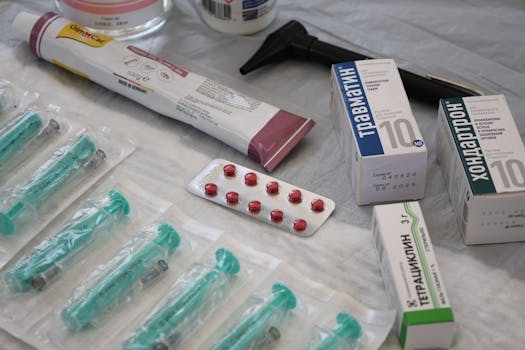
The choice of medications for lipedema is guided by the need to address symptoms like pain, inflammation, and edema. Since a direct cure for lipedema is yet to be identified, treatments focus on symptom control. The following medications have been found to be beneficial for some individuals living with lipedema:
1. Pain Management Options
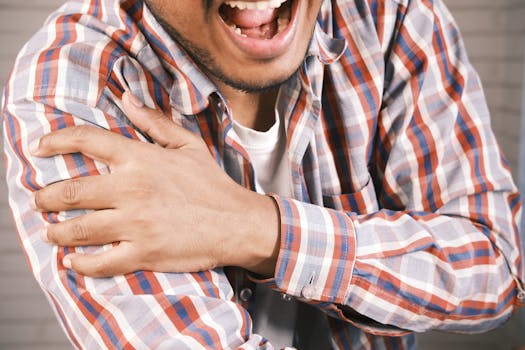
Pain is a common symptom for those with lipedema. Non-steroidal anti-inflammatory drugs (NSAIDs) such as ibuprofen or naproxen may help reduce pain and swelling. In cases of severe pain, prescription medications like gabapentin, which can also address nerve pain, might be considered. Patients should always discuss these options with their healthcare provider to determine the best approach based on their individual needs and medical history.
2. Diuretics
Diuretics, sometimes known as “water pills,” are often prescribed to help reduce fluid retention. While they may assist with managing edema in some individuals, their effectiveness for lipedema specifically requires cautious evaluation by healthcare professionals. It’s important for patients to understand the potential side effects and to use these medications under a doctor’s supervision.
3. Venoactive Drugs
Venoactive medications, such as those containing diosmin or hesperidin, aim to improve venous tone and reduce vascular permeability. There is some evidence suggesting that these drugs may support improvements in symptoms for those with lipedema, particularly in terms of swelling and heaviness in the limbs.
Adjunct Therapies in Lipedema Management
Beyond medications, comprehensive lipedema management often involves lifestyle adjustments and therapeutic interventions. Combining these with pharmaceutical options can enhance overall quality of life for patients.
Diet and Exercise
Though lipedema is not caused by obesity, maintaining a healthy weight can mitigate some symptoms. Nutritional strategies and tailored exercise programs, particularly those focusing on low-impact activities, may offer additional benefits. Learn more about innovative treatments and strategies for weight management in our article on new breakthroughs in weight management.
Compression Garments
Medical-grade compression garments are often recommended as a non-invasive approach to reduce swelling and promote lymphatic flow. These garments, when properly fitted and used consistently, can provide significant relief from the discomfort associated with lipedema.
Exploring the Landscape of Medications for Lipedema
While there is ongoing research into the development of targeted therapies for lipedema, current medications can help manage symptoms and improve quality of life. Patients are encouraged to work closely with their healthcare providers to tailor a treatment plan that includes a combination of medications for lipedema and lifestyle modifications, ensuring a holistic approach to managing this condition.
- Medications like NSAIDs and gabapentin may help manage pain in lipedema.
- Diuretics can potentially alleviate fluid retention but require medical oversight.
- Venoactive drugs may offer benefits for reducing symptoms such as limb heaviness.
- Complementary therapies include diet, exercise, and compression garments.
- Collaborating with healthcare providers can optimize treatment outcomes.
What medications are commonly used for lipedema?
Common medications include NSAIDs for pain, diuretics for edema, and venoactive drugs for vascular symptoms.
Are diuretics effective in treating lipedema?
While diuretics may help with fluid retention, their effectiveness specifically for lipedema varies and they should be used under medical supervision.
Can lifestyle changes impact lipedema symptoms?
Yes, dietary adjustments, exercise, and the use of compression garments can significantly improve lipedema symptoms.
Is there a cure for lipedema?
There is currently no cure for lipedema, but symptoms can be managed with medications, lifestyle changes, and therapeutic interventions.
Where can I find credible information on lipedema?
For more information about lipedema, consider visiting this detailed page on Wikipedia.