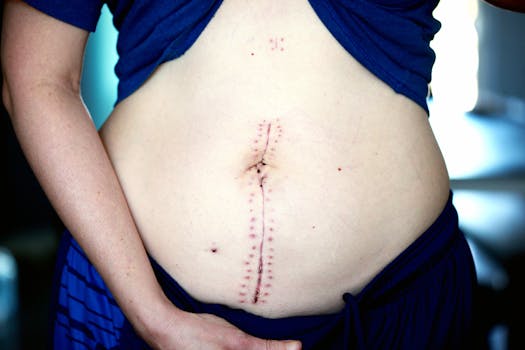
Undergoing rectus abdominis repair surgery can be a significant step in addressing conditions such as diastasis recti or hernias. This surgical procedure aims to restore the muscles of your abdomen, which can be compromised due to various reasons including pregnancy, rapid weight changes, or abdominal strain. Recovery and strengthening post-surgery are critical to ensure the effectiveness of the repair and to maintain long-term abdominal health.
The Process of Rectus Abdominis Repair
Rectus abdominis repair typically involves surgically bringing together separated muscle tissues in the abdomen. This separation can occur naturally due to aging or physically from significant tissue stress. During the surgery, the separated muscles are sutured back, and, in some cases, mesh might be used to provide additional support.
Understanding the procedure involves being informed about both the surgical process and the necessary steps for effective recovery. Surgeons typically provide personalized recommendations based on individual cases, so consult your healthcare provider for guidance tailored to your needs.
Recovery and Strengthening Tips Post-Surgery
After undergoing rectus abdominis repair, a structured plan for recovery and muscle strengthening is vital. Here are a few key recommendations:
- Gradual Activity: Initially, your activity level will be limited. Gradually increasing your physical activity based on your healthcare provider’s advice can support the healing process without stressing the repair.
- Engage in Physical Therapy: Physical therapy can be integral in regaining strength and functionality. Therapists can provide exercises tailored to your current capabilities.
- Mindful Nutrition: A balanced diet rich in protein, vitamins, and minerals can support tissue repair and overall recovery.
- Avoid Strain: Prevent activities that involve heavy lifting or intense abdominal straining during the initial recovery phase.
Being mindful of these guidelines can greatly influence the success of the surgery and boost your physical well-being.
Long-Term Health and Lifestyle Adjustments
Incorporating long-term strategies can help maintain the benefits of rectus abdominis repair. These include regular moderate exercise, proper body mechanics, and maintaining a healthy weight. You can explore our article about healthy weight management strategies for more insights.
Adapting lifestyle habits helps not only in strengthening your abdominal muscles but also in enhancing overall health. Engaging in activities like yoga or pilates that focus on core stability may offer additional benefits.
Possible Concerns and Complications
As with any surgical intervention, there are potential risks and complications associated with rectus abdominis repair. These can include infections, bleeding, or reactions to anesthesia. Severe complications, although rare, might involve nerve injury or issues with muscle alignment. Continuous communication with your healthcare provider regarding any abnormalities or concerns during recovery is crucial.
Research surrounding the surgery and its outcomes is ongoing, and advancements continue to improve safety and efficacy. For detailed information on medical procedures and health policies, refer to trusted sources such as Wikipedia’s health section.
Emotional and Psychological Aspects of Recovery
Recovery from rectus abdominis repair is not solely a physical journey. The emotional and psychological facets are also significant. Dealing with the changes in your physical appearance and functionality post-surgery can impact mental health. Seeking support from loved ones or professional counseling can help in navigating these emotional adjustments.
Journaling your progress, setting realistic expectations, and celebrating small achievements can also promote a positive outlook during rehabilitation.
Conclusion
Committing to a comprehensive recovery plan post-rectus abdominis repair is essential. By gradually reintroducing activities, prioritizing nutrition, and embracing lifestyle changes, you can enhance your recovery and strengthen your abdominal muscles. Always consult healthcare professionals for personalized advice to ensure safety and optimal results throughout your healing journey.
- Rectus abdominis repair involves surgical correction of abdominal muscle separation.
- Gradual physical activities post-surgery support effective recovery.
- Incorporating lifestyle adjustments helps maintain surgical benefits.
- Emotional support is crucial for holistic recovery.
- Continuous medical consultations ensure safety and best outcomes.
What is rectus abdominis repair surgery?
This surgery corrects abdominal muscle separation by suturing the muscles back together, sometimes employing mesh for additional support.
What should I expect during the recovery phase?
The recovery phase requires limited physical activity with a gradual increase over time, alongside guidance from healthcare professionals and possibly physical therapy.
Are there risks associated with rectus abdominis repair?
Potential risks include infection, bleeding, or nerve injury, but such complications are rare. Consistent monitoring by healthcare providers helps mitigate these risks.
How important is nutrition for recovery?
A balanced diet aids in tissue repair and can enhance the recovery speed, making it an essential part of post-surgery care.
Can lifestyle changes have a long-term impact post-surgery?
Yes, adopting healthier lifestyle practices can help maintain the repair outcomes and improve overall abdominal strength and stability.