Compression binders, also known as abdominal binders, have become increasingly popular for their potential health benefits. Whether you’re recovering from surgery, looking to improve posture, or manage pain, these garments offer significant support. In this article, we’ll explore the various ways a compression binder can support your health, and when it might be beneficial to include one in your daily routine.
What is a Compression Binder?
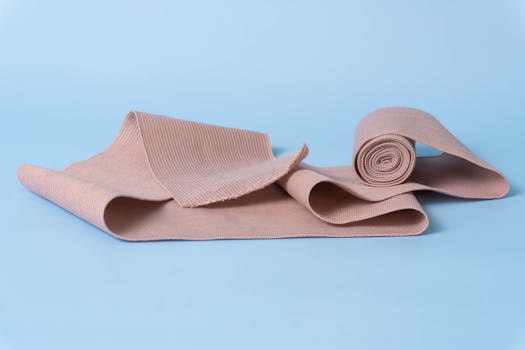
A compression binder is typically an elasticized garment designed to provide support and compression to specific parts of the body, most commonly the abdomen. They’re often used post-surgery to help with recovery, reduce swelling, and improve circulation. The goal is to yield a snug but comfortable fit that can aid in healing and offer added support.
Key Benefits of Using a Compression Binder
There are several key advantages to using a compression binder, making it a versatile tool for both recovery and daily support. Below are some of the core benefits:
- Post-Surgical Recovery: Compression binders are frequently recommended after abdominal surgeries such as cesarean sections or tummy tucks. They help minimize swelling and pain while promoting better circulation.
- Posture Support: Given their structure, compression binders can help support the lower back and improve overall posture, which can be beneficial for those spending extended periods sitting or standing.
- Pain Management: By offering firm support and limiting movement, these binders can alleviate discomfort and pain, making them helpful for individuals experiencing chronic back pain.
- Improved Circulation: The compression feature can enhance blood flow, which may hasten healing and decrease discomfort or inflammation.
When Should You Consider a Compression Binder?
While compression binders can be beneficial, it’s important to know when they’re appropriate to use. Here are some scenarios where using a compression binder might be advantageous:
- After Surgery: If you’ve undergone surgery, especially in the abdominal area, a compression binder can provide necessary support during recovery.
- For Posture Improvement: Those looking to improve their posture may find a compression binder helpful in supporting the lower back muscles.
- In Pain Management Plans: Individuals dealing with chronic back pain or post-operative discomfort may benefit from using a compression binder for additional support.
How to Properly Use a Compression Binder
For a compression binder to be effective, it’s essential to use it correctly. Here are some tips:
- Consult a Professional: Before starting to use a compression binder, talk with a healthcare provider to ensure it’s appropriate for your situation.
- Find the Right Fit: A correct fit is crucial—too tight can cause discomfort or impede recovery, while too loose may not offer the needed support.
- Wear It Correctly: Make sure the binder is placed symmetrically and secures the targeted area effectively without any folds or twists.
Potential Side Effects
While generally safe, there are potential side effects to be aware of when using a compression binder. It’s important to be mindful of the following:
- Skin Irritation: Continuous use can irritate the skin, so it’s advisable to check periodically and allow the skin to breathe.
- Circulation Issues: If worn too tightly, it could disrupt circulation, leading to numbness or discomfort.
- Reduced Mobility: Excessive compression might limit your motions, particularly in the abdominal area, though this is often part of its design.
If you experience any persistent symptoms, it’s wise to seek advice from a healthcare provider. For more in-depth advice on similar garments, visit our expert tips on wearing compression garments after a tummy tuck.
Understanding the Risks and Precautions
While using a compression binder offers numerous benefits, it’s essential to understand the associated risks:
- Medical Supervision: Always ensure you discuss with your healthcare provider before using a compression binder, particularly if you have medical conditions.
- Proper Care and Maintenance: Regular cleaning and following the manufacturer’s instructions for maintenance can help ensure its longevity and effectiveness.
For more general information about health and wellness, you can visit the Health Wikipedia page.
Conclusion
Incorporating a compression binder into your healthcare routine can offer substantial benefits, whether you’re recovering from surgery, seeking better posture, or needing additional support for pain management. The key is ensuring proper fit and usage to maximize these advantages while minimizing risks. As with any health tool, consulting with a healthcare professional can provide personalized insights and guidance.
- Compression binders can aid in recovery, posture, and pain management.
- A proper fit is essential for effectiveness and safety.
- Be aware of potential side effects and consult a professional if needed.
- Always clean and maintain your binder as advised.
- Healthcare provider consultation is recommended before use.
FAQ
What is a compression binder?
A compression binder is a wide elastic garment designed to support and compress specific areas of the body, usually the abdomen, to facilitate healing and provide additional support.
When should I use a compression binder?
Compression binders are often recommended after abdominal surgery, for posture correction, or to assist with pain management.
Are there any side effects to using a compression binder?
While generally safe, possible side effects include skin irritation, circulation issues if too tight, and reduced mobility. Monitoring and professional consultation can help mitigate these risks.
How do I select the proper size and fit for a compression binder?
Choosing the right size is crucial. The binder should be snug but not too tight, comfortably securing the targeted area without causing discomfort or restriction in movement.
Can I wear a compression binder all day?
Always follow healthcare provider guidelines. While some may benefit from prolonged wear, others may need breaks to avoid irritation or impaired circulation.