Pregnancy-induced hypertension (PIH) is a condition affecting many expectant mothers worldwide. Understanding and managing PIH during pregnancy is vital for the health and well-being of both the mother and baby. This article explores what PIH is, potential risks, and management strategies to ensure healthier outcomes for pregnant women.
What is PIH Pregnancy?
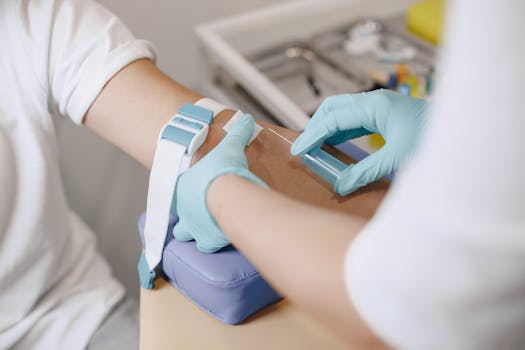
PIH, or pregnancy-induced hypertension, is a form of high blood pressure that develops during pregnancy. It typically occurs after the 20th week of gestation and can lead to complications if not properly managed. Symptoms may include headaches, vision changes, and swelling. It is essential to monitor these symptoms closely and consult with a healthcare provider for proper diagnosis and treatment.
Risks Associated with PIH
Expectant mothers with PIH are at risk for several complications. These can range from pre-eclampsia to placental abruption and may affect the baby’s growth. Understanding these risks is critical in planning prenatal care. Regular check-ups and early intervention play essential roles in managing these potential challenges.
Prevention and Management
Although the exact causes of PIH are not completely understood, several strategies may help in its management. A balanced diet, regular exercise, and reducing stress are often recommended. Understanding how probiotics during pregnancy can contribute to overall health is also beneficial. These measures, combined with regular medical supervision, can help manage the condition.
Medications and Treatment Options
If lifestyle changes are insufficient, medications may be prescribed to lower blood pressure. It is vital for pregnant women to follow their doctor’s advice and to regularly monitor blood pressure levels. Medication should be carefully managed, as some drugs may not be suitable during pregnancy.
Consulting Healthcare Providers
Consulting with healthcare providers is crucial for managing PIH pregnancy. Specialists can offer personalized care plans to address individual health needs and ensure the best outcomes. Women should not hesitate to communicate any symptoms or concerns promptly.
Long-term Outlook and Aftercare
For many women, blood pressure returns to normal after delivery. However, monitoring should continue postpartum to prevent long-term health issues. This ongoing care can contribute to overall well-being and future pregnancies.
Managing PIH during pregnancy is essential for the safety and health of both mother and child. Understanding PIH pregnancy entails knowing the symptoms, potential risks, and effective management strategies. With the right guidance and care, a healthier pregnancy outcome is achievable.
Takeaways
- PIH typically develops after the 20th week of pregnancy.
- Regular prenatal care is critical for managing PIH.
- Diet, exercise, and stress reduction play significant roles in management.
- Consult healthcare providers for personalized treatment plans.
- Postpartum monitoring is important for sustained health.
FAQ
What is the primary cause of PIH?
The exact cause of PIH is unknown, but genetic and environmental factors may contribute to its development.
Are there lifestyle changes that can help manage PIH?
Yes, maintaining a balanced diet, regular physical activity, and reducing stress are effective lifestyle changes.
Can PIH affect the baby?
Yes, PIH can lead to complications such as pre-eclampsia and affect the baby’s growth if not managed properly.
Is medication necessary for PIH management?
Medication may be necessary if lifestyle changes do not adequately control blood pressure, but it must be managed by a healthcare provider.
Where can I find more information about managing PIH?
You can learn more about PIH and its management by visiting reliable sources like Wikipedia.