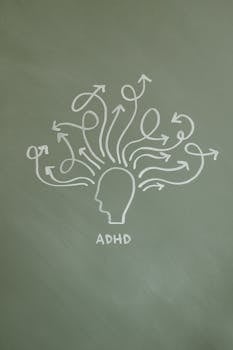
Attention Deficit Hyperactivity Disorder (ADHD) is often discussed in the context of neurodiversity. But is ADHD neurodivergent? This is a question that increasingly shapes our understanding of how individuals experience and interact with the world. By embracing the unique perspectives of those with ADHD, we can gain deeper insight into neurodiversity and the valuable contributions of all minds.
Is ADHD Neurodivergent?
Neurodiversity is a concept that recognizes brain differences as a normal variation among people. Just as we observe diversity in race or ethnicity, neurodiversity encourages us to accept differences in brain function. ADHD is considered a part of this spectrum of neurodiversity, known as being neurodivergent. People with ADHD often experience challenges with attention, impulsivity, and hyperactivity, which may be perceived and valued differently in varied contexts.
Understanding ADHD within the Neurodiversity Movement
The neurodiversity movement advocates for viewing ADHD, autism, dyslexia, and other neurodevelopmental conditions as differences rather than disorders. This perspective shifts focus from ‘fixing’ individuals to accommodating and supporting their unique ways of thinking. The movement recognizes the strengths and unique attributes of each divergent thinker, which can include creativity, high energy, and a different problem-solving approach.
Researchers and mental health professionals believe that understanding ADHD within the framework of neurodiversity can help reduce stigma and promote acceptance. It encourages both individuals and societies to focus on adaptive strategies and inclusive practices.
Common Characteristics of ADHD
Individuals with ADHD may exhibit varied symptoms. Common characteristics include difficulty maintaining focus, impulsive behaviors, and excessive activity. While traditionally these have been viewed as weaknesses, the neurodiversity perspective sees opportunities for positive attributes like the ability to rapidly shift attention between tasks when needed and a high capacity for spontaneity.
It’s also important to recognize the potential challenges people with ADHD face, such as struggles with organization, job stability, and interpersonal relationships. Supportive interventions and environments can significantly enhance quality of life and allow these individuals to leverage their strengths effectively.
Support Strategies for Those with ADHD
Embracing neurodiversity involves creating supportive environments at home, work, and in educational settings that adapt to various learning styles and capabilities. Educators are increasingly incorporating teaching strategies that recognize and support individual strengths, facilitating more effective learning experiences for those with ADHD.
Meanwhile, workplaces that engage neurodiversity principles are increasingly seeing the benefits, such as increased creativity and varied problem-solving approaches. Flexible schedules, adapted workspaces, and tasks matched to individual strengths can help employees with ADHD thrive.
ADHD and Mental Health
Understanding the broader impact of ADHD on mental health is critical. Many with ADHD experience co-occurring conditions such as anxiety, depression, or learning disabilities. Comprehensive care often requires a multi-disciplinary approach that might include behavioral therapy, medication, and lifestyle adaptations.
For additional insights into the intersection of ADHD and mental health, particularly the connection with eating behaviors, read our detailed article on ADHD and binge eating.
Global Perspectives on ADHD and Neurodiversity
Globally, the definition and understanding of ADHD, as well as its inclusion under the neurodiversity umbrella, vary. While in some cultures ADHD is widely recognized and accommodated, in others, awareness is still developing. As global perspectives expand, there’s increasing advocacy for policies that promote inclusive practices and understanding.
Using credible resources and discussions between nations can help promote awareness and foster supportive communities worldwide.
The Future of Neurodiversity and ADHD
As we embrace a future that celebrates neurodiversity, continued research, education, and policy change are essential. Initiatives that promote understanding and inclusion can transform lives by empowering people with ADHD to realize their full potential. As we explore the question, “is ADHD neurodivergent,” we are reminded of the importance of fostering environments where neurodivergent individuals can thrive.
- ADHD is part of the neurodivergent spectrum, emphasizing brain diversity.
- The neurodiversity movement supports viewing disorders as differences.
- Understanding and support can enhance quality of life for individuals with ADHD.
- Global recognition varies, but awareness and accommodation are growing.
- Inclusive environments in education and work benefit neurodivergent individuals.
What does it mean to be neurodivergent?
Being neurodivergent refers to having brain function variations that differ from the societal ‘norm.’ This concept advocates for the acceptance and support of diverse cognitive profiles.
Can ADHD be considered a disability?
ADHD can be recognized as a disability when symptoms significantly impair daily functioning and performance. Support measures and accommodations can help manage these challenges effectively.
What strategies help individuals with ADHD succeed?
Strategies such as individualized education plans, therapy, organized environments, and personalized schedules can greatly aid in managing ADHD symptoms and promoting success.
Is ADHD hereditary?
Research indicates that ADHD has a genetic component, with a higher likelihood of occurrence if a family member also has the condition. Environmental factors also play a role.
How can employers support neurodivergent employees?
Employers can create inclusive environments by recognizing unique skills, offering flexible work options, and providing tailored support mechanisms to help neurodivergent employees thrive.