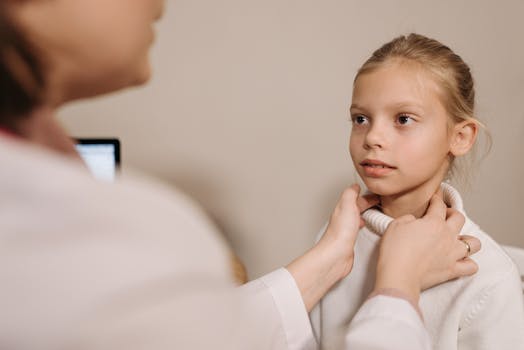
Living with a webbed neck can present a unique set of challenges, especially when it comes to self-esteem and social interactions. This congenital condition, characterized by folds of skin running from the base of the head to the shoulders, affects both physical appearance and, in some cases, range of motion. Understanding more about webbed neck can empower those affected and offer pathways for managing the condition effectively.
Understanding Webbed Neck
Webbed neck, medically referred to as pterygium colli, can be a feature of certain genetic syndromes such as Turner syndrome, Noonan syndrome, or Klippel-Feil syndrome. These conditions can impact various aspects of a person’s physical and developmental health. It is important to recognize that while a webbed neck itself is not typically harmful, the underlying conditions may require medical attention and should be discussed with a healthcare provider.
For those who are self-conscious about their appearance, there are several coping strategies and potential treatment options. From surgical interventions to supportive therapies, individuals can explore a range of solutions with the help of healthcare professionals.
Coping Strategies and Lifestyle Adjustments
Emotional resilience is crucial when dealing with physical differences. Support from family, friends, and healthcare professionals can enhance coping mechanisms. Below are some strategies and lifestyle adjustments that may help individuals manage living with a webbed neck.
- Counseling and Support Groups: Engaging with a therapist or counselor can be beneficial in addressing self-esteem issues and emotional distress. Joining support groups provides a sense of community and shared experiences which can be very empowering.
- Physical Therapy: For individuals experiencing reduced range of motion, physical therapy can help improve mobility and flexibility.
- Fashion and Style Choices: Clothing choices can also play a role in managing the visibility of a webbed neck. High-collared shirts or scarves offer options for those wishing to reduce visibility.
Medical and Surgical Options
Some individuals choose to explore surgical options to reduce the appearance of a webbed neck. Surgical procedures can be considered for cosmetic reasons or if the neck webbing significantly affects quality of life.
A mini neck lift or more extensive surgical corrections may be options to consider. While cosmetic surgery is a personal choice, it’s crucial to consult with a professional to understand the potential risks and benefits. For additional details on neck lift procedures, visit our guide on the cost of mini neck lifts.
Lifestyle and Holistic Approaches
Beyond medical interventions, adopting a holistic lifestyle can promote overall well-being. Practices such as yoga and meditation can enhance mental and physical health. Embracing a balanced diet and regular exercise contributes to improved body image and self-confidence.
Engaging in mind-body practices can also serve as powerful tools for empowerment, offering more than just physical benefits. These practices encourage self-acceptance and nurture a more profound sense of inner peace.
Support and Resources
Access to quality resources and ongoing support can make a significant difference. Online forums, educational materials, and healthcare professionals specializing in genetic syndromes and associated conditions are invaluable. Organizations dedicated to these syndromes also play a crucial role in providing information and community support.
To learn more about health-related concerns and gain a deeper understanding of your condition, consider reviewing external resources such as the Wikipedia Health page for comprehensive information.
Ultimately, while living with a webbed neck can present challenges, it also offers opportunities for resilience and growth. With the right support, individuals can thrive both physically and emotionally.
- Webbed neck can be a symptom of several genetic syndromes.
- A range of supportive strategies are available, from counseling to physical therapy.
- Surgical options are a personal choice and should be carefully considered.
- Holistic approaches promote overall well-being and self-acceptance.
- Resources and community support are crucial for empowerment.
Frequently Asked Questions
What causes a webbed neck?
A webbed neck can be caused by genetic conditions such as Turner syndrome, Noonan syndrome, or Klippel-Feil syndrome.
Can a webbed neck be treated without surgery?
Yes, non-surgical treatments include physical therapy, counseling, and styling adjustments to manage appearance and mobility concerns.
What should I consider before opting for surgery?
It’s important to consult with a healthcare professional to understand the risks and benefits, as well as explore whether surgery aligns with your personal goals and needs.
Are there any support groups for individuals with webbed necks?
Yes, various online and local support groups offer community and shared experiences for individuals with webbed necks and related conditions.
How can I improve self-esteem if I’m self-conscious about my neck?
Engaging in counseling, building a supportive community, and exploring holistic practices such as yoga and meditation can help enhance self-esteem and overall well-being.