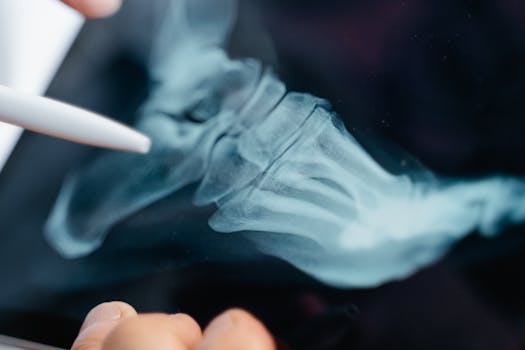
Bone spurs in the foot, commonly known as osteophytes, are bony projections that form along the edges of bones. These spurs can occur in any joint but are most frequent in the feet, causing discomfort and pain, especially when walking or standing for long periods. Understanding the primary causes and effective management strategies can help alleviate symptoms and improve mobility.
Understanding Bone Spur Foot: Causes and Risk Factors
Bone spur foot is typically associated with aging. As we age, the wear and tear on our joints can lead to conditions such as osteoarthritis, which in turn can cause bone spurs to form. Other risk factors include obesity, poor footwear, and certain activities that put excessive stress on the feet. Genetics and previous injuries may also play a role in their development.
For a deeper insight into bone health and potential conditions, you might find our article on bone cancer awareness and treatment insights helpful.
Diagnosing Bone Spurs in Foot
If you suspect you have bone spurs foot, a professional diagnosis is critical. Symptoms typically include sharp pain, especially when standing or walking, and might be accompanied by swelling or inflammation. A healthcare provider may conduct a physical examination followed by imaging tests like X-rays to confirm the presence of a bone spur in the foot and to rule out other conditions.
Treatment Options for Bone Spurs Foot
Treating bone spurs in the foot primarily focuses on relieving pain and improving function. Here are some common approaches:
Non-Surgical Treatments
- Rest and Ice: Reducing activities that exacerbate the pain and applying ice packs can minimize inflammation.
- Footwear Adjustments: Wearing supportive shoes with the right fit and cushioning is crucial. Orthotic inserts may also be beneficial.
- Medications: Over-the-counter pain relievers like ibuprofen or acetaminophen can help manage pain and inflammation. Consultation with a healthcare provider is advised before starting any medication.
- Physical Therapy: Exercises and stretches can strengthen the muscles around the affected area, providing better support and relieving pressure on the bone spurs.
Surgical Interventions
If non-surgical methods do not provide relief, surgery may be considered. Procedures can range from minimally invasive endoscopic techniques to open surgery, depending on the severity of the bone spurs foot and the patient’s overall health. Recovery times can vary, so discussing the options with a medical professional is advisable.
Lifestyle Changes to Prevent Bone Spurs and Promote Foot Health
Adopting certain lifestyle changes can reduce the risk of developing bone spurs in the foot or manage existing symptoms:
- Weight Management: Maintaining a healthy weight reduces stress on the joints, preventing excessive wear and tear.
- Regular Exercise: Engaging in low-impact activities like swimming or cycling can keep joints flexible without putting undue pressure on them.
- Supportive Footwear: High-quality shoes designed for the specific activity you’re doing can provide the necessary support and cushioning.
Conclusion: Proactive Management of Bone Spur Foot
Living with a bone spur foot can be challenging, but with the right strategies, you can significantly alleviate discomfort and maintain an active lifestyle. Consider a combination of professional advice, lifestyle modifications, and appropriate treatments to manage the condition effectively. For reliable health information and deeper understanding, consult resources like the Health – Wikipedia.
- Bone spurs in the foot are often linked to aging and osteoarthritis.
- Diagnosing involves physical and imaging tests.
- Treatment includes rest, medication, and sometimes surgery.
- Lifestyle changes can help manage and prevent bone spurs.
- Consult healthcare providers for personalized management plans.
What are bone spurs?
Bone spurs, or osteophytes, are bony projections that develop along the edges of bones, often where bones meet at joints.
What causes bone spurs in the foot?
Bone spurs in the foot can result from aging, osteoarthritis, obesity, poor footwear, or repetitive stress on the feet.
How can I prevent bone spurs in the foot?
Preventive measures include maintaining a healthy weight, wearing supportive shoes, and engaging in regular low-impact exercise.
When should I see a doctor for bone spurs in the foot?
Consult a healthcare provider if you experience persistent pain, swelling, or difficulty in mobility that interferes with daily life.
Is surgery necessary for bone spurs in the foot?
Surgery is considered only when non-surgical treatments do not provide adequate relief. It depends on the severity of symptoms and individual health conditions.