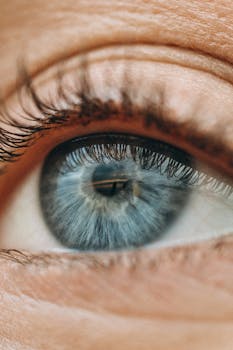
The tarsal glands, also known as meibomian glands, play a crucial role in maintaining eye health by producing the oily layer of the tear film. When a blocked tarsal gland occurs, it can lead to discomfort, irritation, and possible vision problems. Understanding the symptoms and treatment options for a blocked tarsal gland can help alleviate these issues and prevent further complications.
Understanding a Blocked Tarsal Gland
Tarsal glands are located along the edge of your eyelids and are responsible for secreting oils that prevent the evaporation of your eyes’ tears. When these glands become blocked, the oils cannot be released, leading to a condition known as meibomian gland dysfunction (MGD). This dysfunction can contribute to dry eyes and other related problems.
Symptoms of Blocked Tarsal Glands
The symptoms associated with a blocked tarsal gland often include redness, swelling, and a gritty sensation in the eyes. It may also cause blurred vision and increased sensitivity to light. In some cases, you might notice crusting around your eyelids and a feeling that something is trapped in your eye.
Causes of Blocked Tarsal Glands
Blockages can result from several factors, such as inflammation, glandular disease, or environmental influences. Chronic blepharitis, often characterized by inflamed eyelids, might also lead to blocked glands. Makeup and skincare products can contribute to blockages if not properly cleaned away.
Diagnosing the Condition
If you suspect a blocked tarsal gland, consulting with an eye care professional is essential. They may perform a thorough eye examination to diagnose the issue accurately. Assessment typically involves examining eyelid structure and function and assessing tear film production.
Treating Blocked Tarsal Glands
Treatment for a blocked tarsal gland varies depending on the severity of the blockage and any underlying conditions. Here are some common approaches:
Warm Compresses
Applying a warm compress gently over the eyes can help liquefy the oils within the tarsal glands, enabling drainage and relieving blockage. It’s a simple, effective home remedy that can be performed daily.
Eyelid Hygiene Practices
Maintaining proper eyelid hygiene can prevent blockages. This includes regular cleaning of the eyelids to remove makeup, debris, and oil buildup. Cleansing wipes or solutions designed for sensitive eyes might be recommended by physicians.
Medications and Supplements
In some cases, doctors might prescribe antibiotic ointments or eye drops to treat underlying infections or inflammation. Supplements like omega-3 fatty acids are being studied for their potential to support eyelid health and improve gland function. More information is available in resources such as our article on castor oil as a natural remedy for dry eye disease.
Advanced Treatments
For severe cases or persistent issues, advanced interventions may be necessary. Procedures like LipiFlow, which uses heat and pressure to unblock the glands, might be recommended. Consulting with an eye specialist is essential for these therapies.
For more in-depth information on related topics, consider reputable sources like health resources on Wikipedia.
Prevention and Maintenance
Preventing a blocked tarsal gland often involves regular eye care and protection against environmental factors. Wearing sunglasses, staying hydrated, and using a humidifier can aid in maintaining eye moisture and gland function.
In conclusion, recognizing the symptoms of a blocked tarsal gland and seeking appropriate treatment can prevent further issues. By understanding the causes and implementing preventive measures, you can maintain healthier eyes and enhance your overall well-being.
- The tarsal glands produce oils essential for eye health.
- Blocked tarsal glands can lead to irritation and vision issues.
- Treatment options include warm compresses, hygiene, and possibly medication.
- Advanced treatments are available for persistent cases.
- Regular eye care can help prevent blockages and ensure gland health.
What are the tarsal glands?
The tarsal glands, also known as meibomian glands, are located along the eyelids and are crucial for producing the oily layer of the tear film to keep eyes lubricated.
How can I tell if my tarsal glands are blocked?
Symptoms of blocked tarsal glands include itchy, dry, or reddened eyes, along with possible blurriness and crusting along the eyelids.
What lifestyle changes can help with blocked glands?
Incorporating eyelid hygiene, staying hydrated, wearing sunglasses, and utilizing humidifiers in dry environments can support gland function and prevent blockages.
When should I consult a doctor?
Seek professional advice if you experience persistent symptoms, significant discomfort, or require a diagnosis for treatment options beyond home remedies.
Are there natural remedies for a blocked tarsal gland?
Simple home remedies like warm compresses and proper eyelid hygiene can often relieve symptoms. However, it’s important to consult with a healthcare provider for proper guidance.